Perspectivas
Manuales, reflexiones de producto y la economía de la logística moderna.

La conversación del taller: ¿puesto propio o servicio externo?
Un puesto de taller propio es un coste fijo que debe llenarse; un taller externo cuesta control y plazos. Cómo plantear la decisión y el modelo mixto más habitual.
Saber más →
Listas de precios que se calculan solas
Matrices de zonas, tramos de peso, mínimos y recargos cotizan de forma coherente solo cuando los aplica el sistema — no "llame para presupuesto".

Los kilómetros en vacío en Europa: lo que dicen realmente las estadísticas
Cifras de Eurostat sobre kilómetros-vehículo en vacío en el transporte por carretera de la UE: reparto nacional/internacional, tendencia y lo que oculta la media.

¿Una tablet en la cabina, o el móvil que ya lleva en el bolsillo?
Las tablets fijas prometen control y sobre todo acaban siendo un segundo aparato que cargar, actualizar y perder. Dónde una tablet montada gana igualmente.
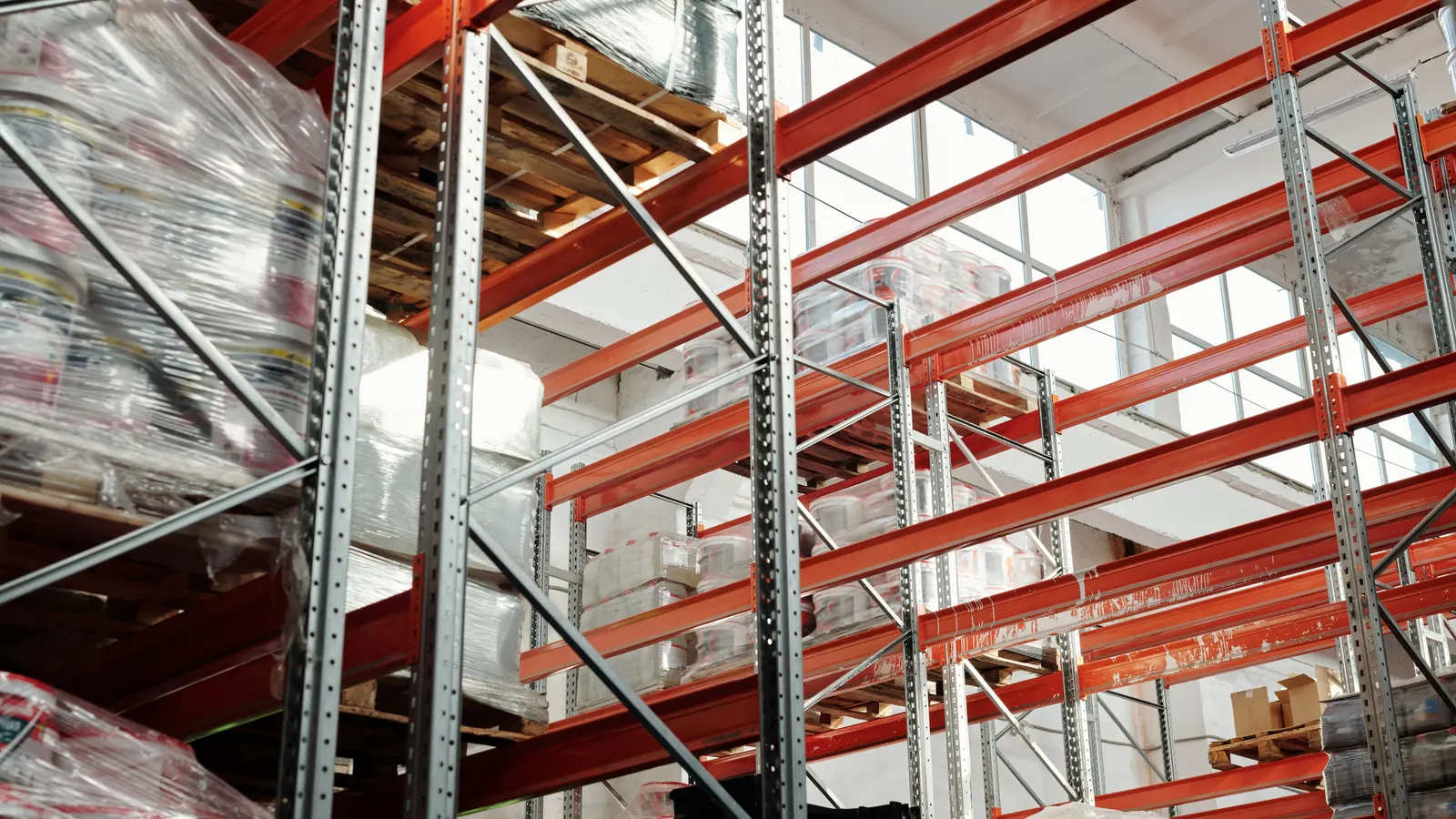
Pedidos recurrentes: el flete que vuelve a escribir a mano cada semana
La ruta del martes reservada desde cero cada lunes es trabajo tedioso con margen de error. Lo que aporta una plantilla guardada — y el control que exige a cambio.

Demoras y tiempo de espera: cobrar por las horas que ya perdiste
Dos horas en el muelle no se cobran solas. Qué hace falta para facturar el tiempo de espera sin abrir una disputa con el cliente.

La hora sin cobertura: qué hace tu operación cuando falla la conexión
Túneles y zonas sin cobertura son rutina, no una excepción. Qué debe guardar el móvil localmente, qué puede esperar y qué no puede aguardar señal.
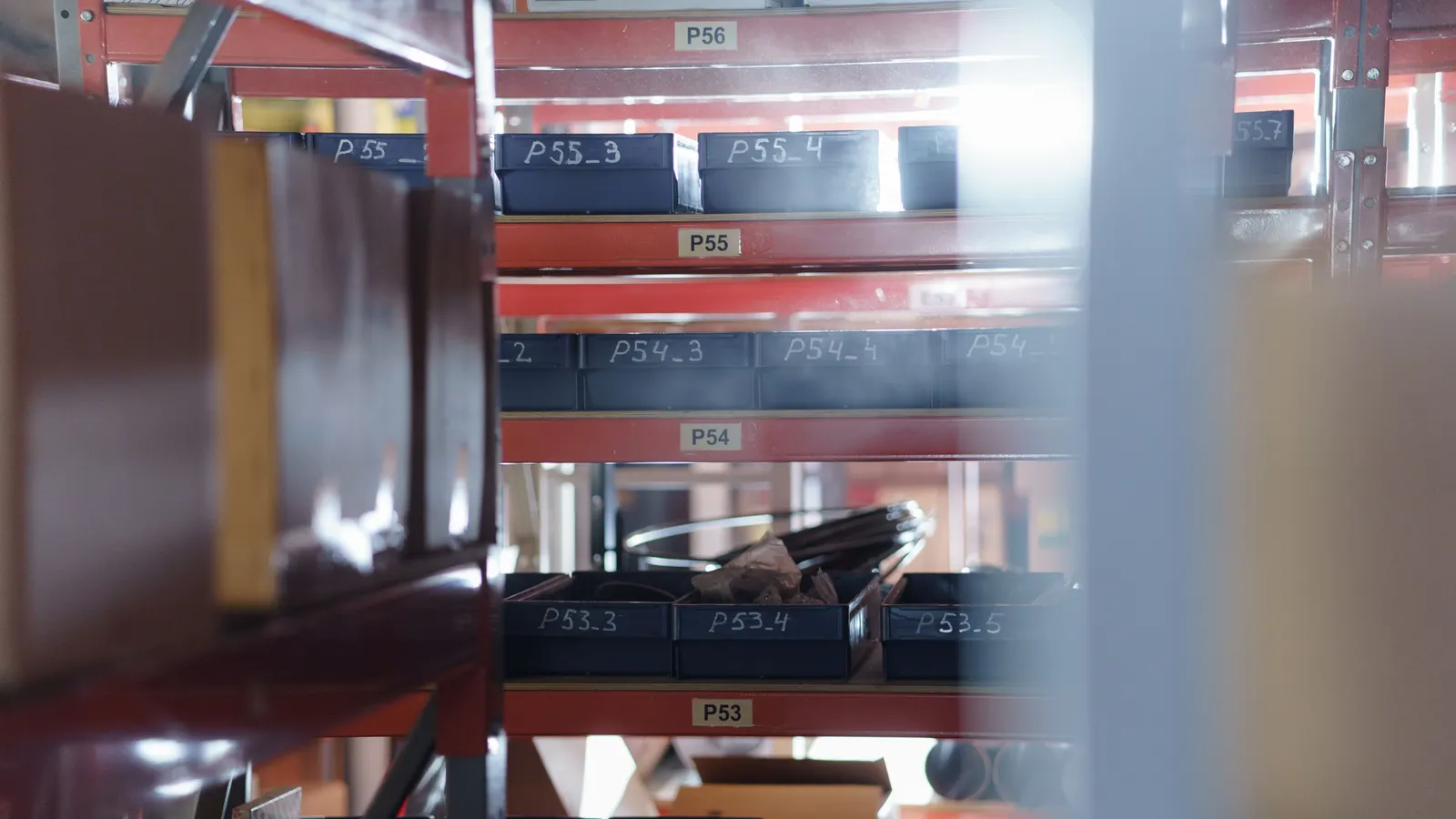
Recambios de taller: el almacén también es un libro de cuentas
El stock de recambios se descuadra cuando el consumo se anota en el peor momento, no cuando ocurre: la solución es un registro más fácil que el atajo.

Leer una licitación como transportista, responder como socio
Las licitaciones de transporte premian a quien muestra datos, no el precio bajo. Qué debe llevar la respuesta y las cláusulas que anuncian un contrato con pérdidas.

Fuente única de verdad: qué significa tomada al pie de la letra
Todo proveedor promete una fuente única de verdad. La prueba útil es más concreta: dos pantallas pueden contradecirse sobre el mismo hecho — ¿y quién gana?

Notifications your customers want (and the ones they mute)
Four events earn a message: booked, collected, delivered, problem. Everything else trains the customer to ignore you — including the one that mattered.

Cross-docking or storage? Two warehouse jobs that pretend to be one
Flow-through is measured in hours and touches, custody in days and accuracy. Deciding which job a consignment is — at intake, not at discovery.
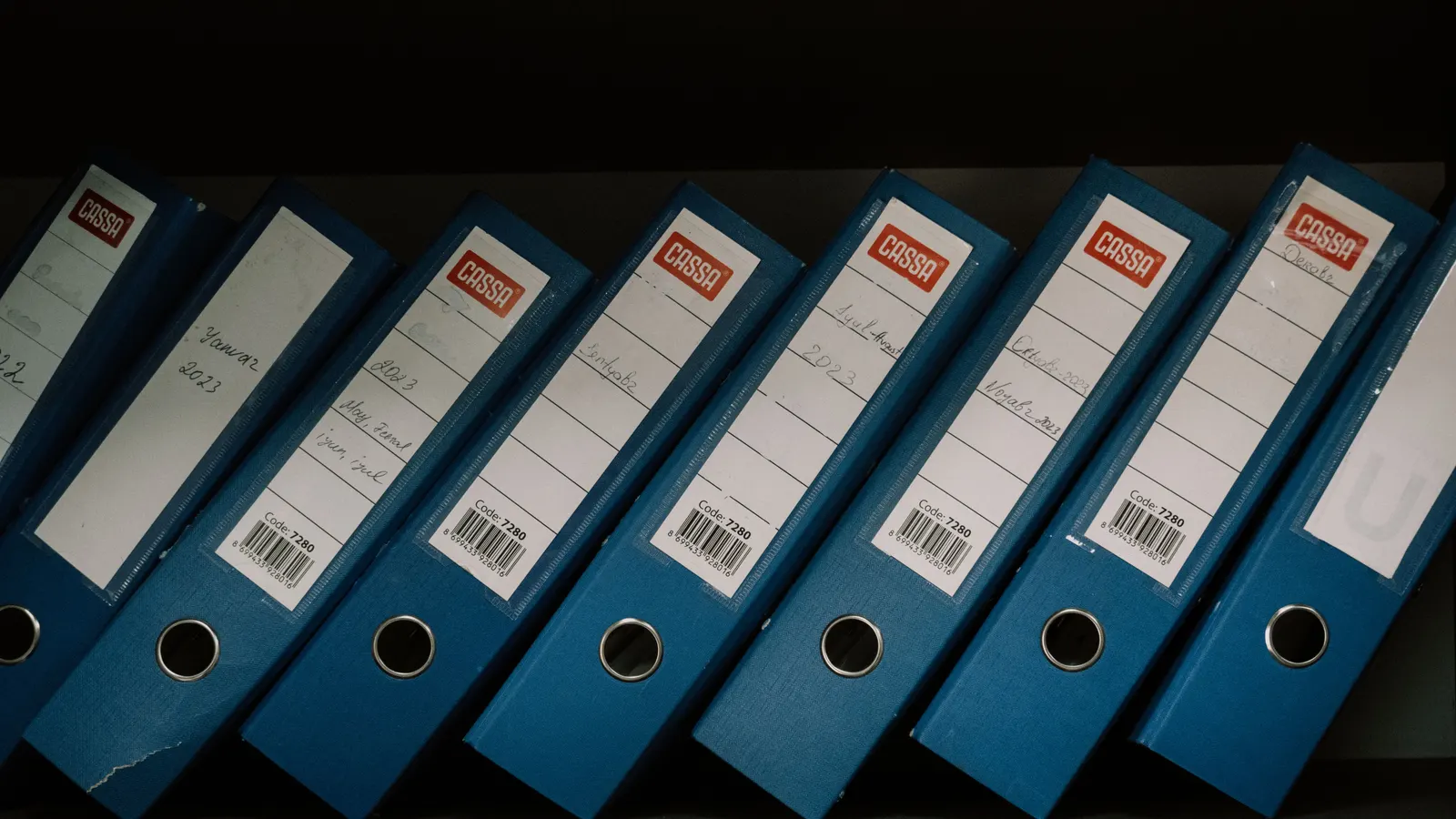
The personal data a carrier forgets it holds
Driver cards, GPS traces, dashcam footage, consignee names, a signature on a doorstep. What the GDPR actually asks of a transport operator, with article numbers.

The truck you buy for December stands still in February
A six-week peak does not justify a vehicle you own for ten years. What handing a run to another carrier actually asks of your office, and where it goes wrong.

The dates that ground a truck are not the ones in your service plan
Roadworthiness, tachograph calibration, ADR and driver CPC each run on their own clock, and any of them can park a truck. One register, forward notice, an owner.

Five numbers a small fleet should look at every Monday
Utilisation, empty share, revenue per vehicle-day, DSO and unplanned downtime — why these five, and why adding more dashboards is usually less management.

The damage file you build before anything is damaged
A damage claim is decided by what was recorded at handover. The reservations, photos and weights worth capturing every time, and the clocks that start at delivery.

Drivers' hours are a planning constraint, not a driver problem
Nine hours a day, 56 a week, a 45-minute break after four and a half. The EU limits are arithmetic a dispatcher can do before the truck moves.
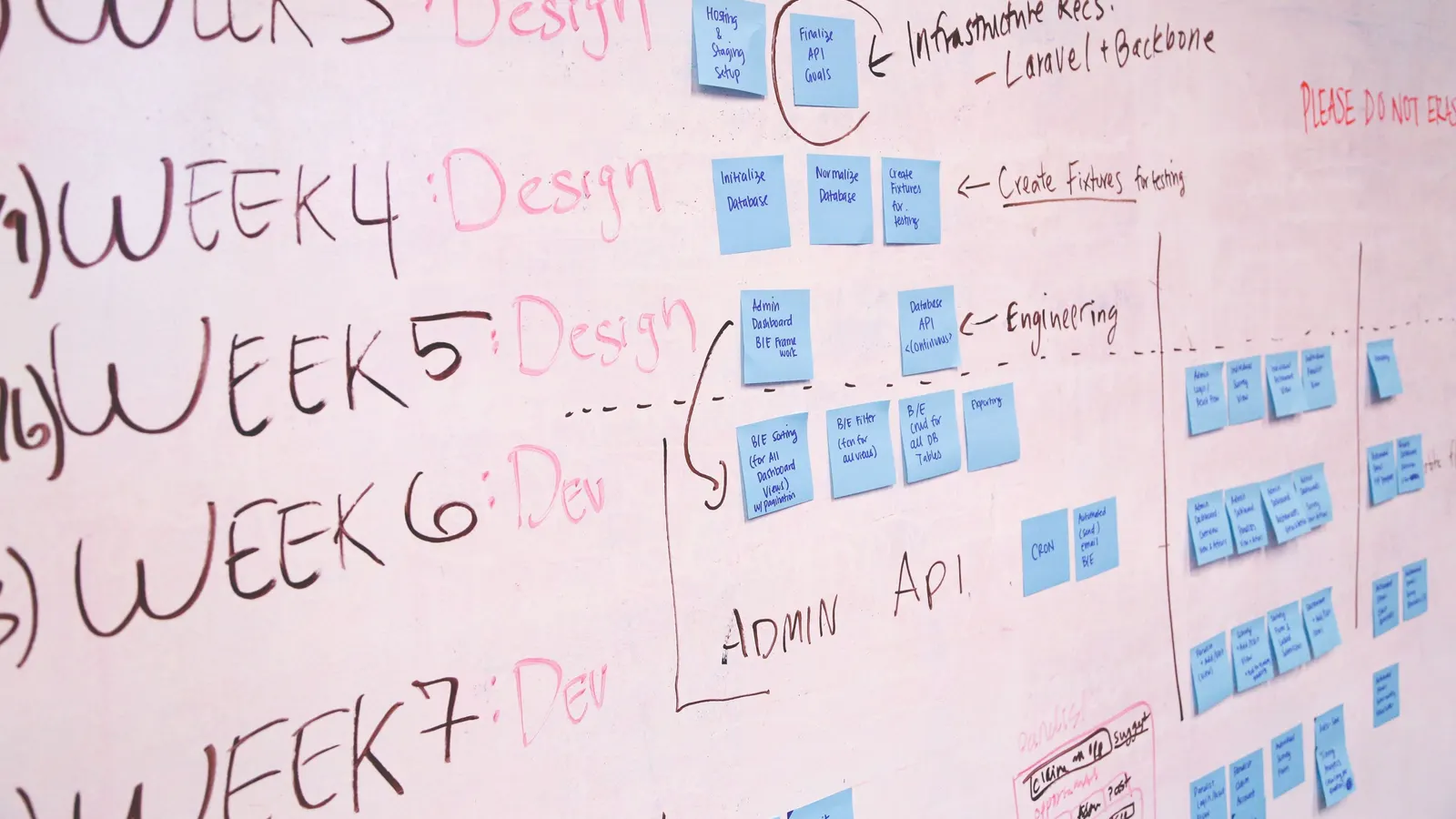
Why TMS implementations fail (and the failure is rarely the software)
Four patterns sink transport software projects: dirty master data, no named owner, a big-bang cutover, and old habits wearing new screens.

API or EDI? Choosing the right pipe for each partner
EDI is an agreement with batch semantics; an API is interactive and cheap to stand up. Which fits which partner, and why most carriers run both.

The first four weeks with a new customer decide whether the account is profitable
Winning the contract is the easy part. The four weeks after it — addresses, price list, booking channel, invoice format — decide what the account actually earns.

Barcodes in a small warehouse: cheap discipline that compounds
A label printer and a scanner turn a warehouse memory into a lookup anyone can do. What to label, what a barcode should encode, and when to scan it.

Cabotage in plain language: what the rules actually permit
Three operations in seven days, then four days out. What the EU cabotage rules permit as of August 2026, and what must be produced at a roadside check.

Your trailer fleet is an asset register nobody keeps
Trailers hold real capital and are usually tracked from memory. The four facts worth recording about each one, and how they end the Friday trailer hunt.