GPS tracking without the second subscription
By navichain team
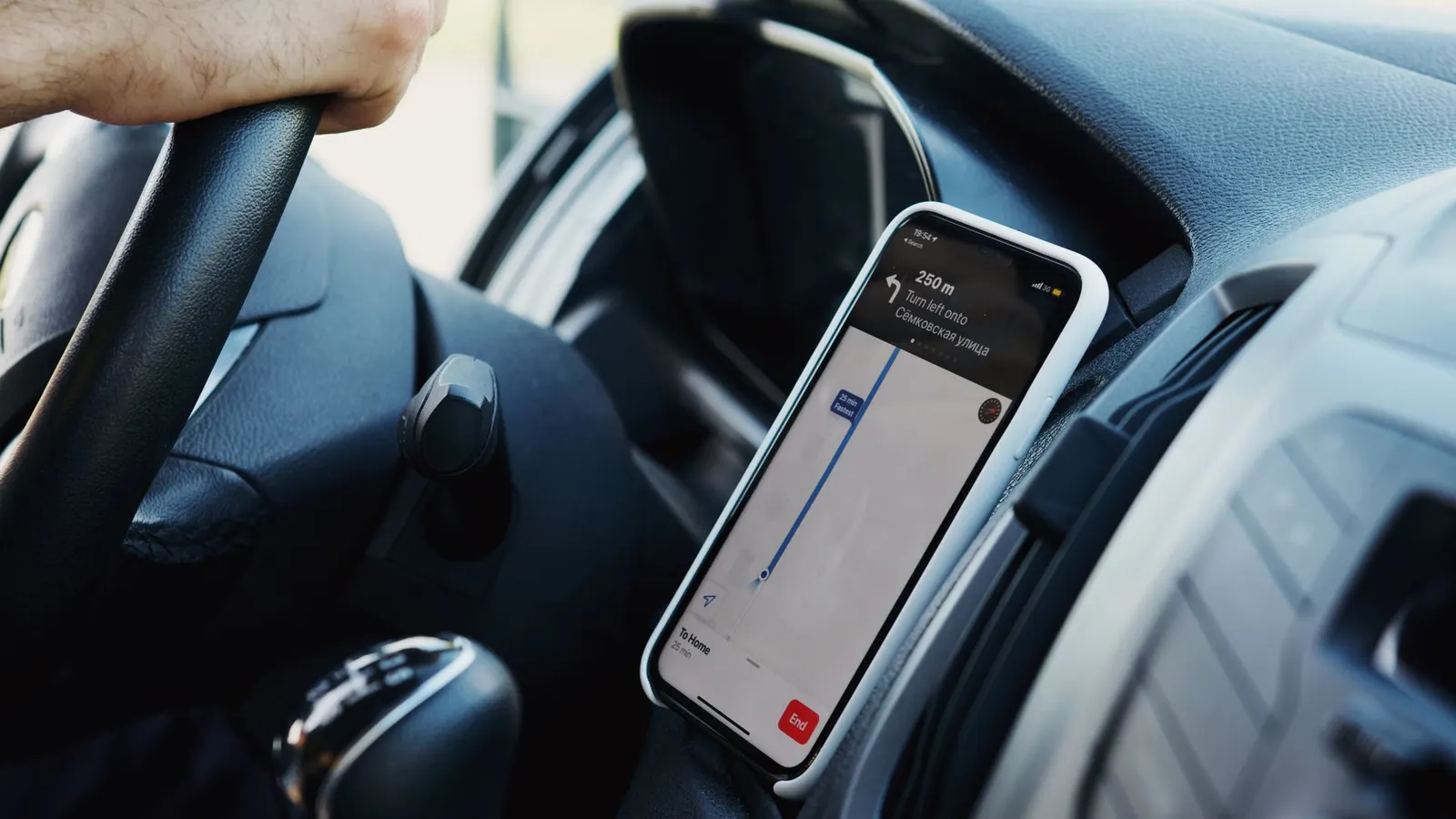
Where is the truck? is the question that sells telematics, and it is the cheapest question a fleet actually has. The expensive ones are quieter: was the trailer cold enough for the whole leg, did the driver really arrive at 07:20, and where is the vehicle now that nobody can reach it. Those answers come from different equipment at very different prices — and an operation that buys for the loud question can end up paying monthly, per vehicle, for a dot on a map it already had for nothing.
There are three ways to get positions. Here is what each one costs, in structure rather than in kronor, and more usefully what each one can and cannot answer.
Decide what you are buying an answer to
Before comparing suppliers, write down which of these you actually need:
- Where is the vehicle right now, roughly?
- Did it arrive and leave when the driver says it did?
- What temperature was the load, provably, a year later?
- Where is the vehicle once it has been stolen?
- How many kilometres were private, with odometer readings?
Only the first is answered by all three options below. Three, four and five are answered by exactly one of them, and no software choice changes that.
Option one: dedicated telematics hardware
Cost structure. A device per vehicle, plus fitting — a workshop hour if it is hardwired, minutes if it plugs into the diagnostic port. Then a monthly fee per vehicle to the telematics supplier, normally on a contract term. Sensors are priced separately and each one adds fitting time. Two costs rarely appear on the quote: the term runs per vehicle, so a fleet that shrinks keeps paying until it ends, and this is a second supplier — a second invoice, a second login, a second support queue.
What it answers that nothing else can. A box reads the vehicle. Ignition, odometer, and with the right probes, the load.
For cold chain that is decisive rather than convenient. Commission Regulation (EC) No 37/2005 requires transport of quick-frozen foodstuffs to be fitted with suitable recording instruments monitoring the air temperature at frequent and regular intervals; the recordings must be dated and kept by the food operator for at least one year, longer where shelf life warrants it, and since 1 January 2006 the instruments must conform to EN 12830. A phone in the cab does not satisfy that, and no amount of good software makes it. If you haul temperature-controlled goods, this decision is already made for you.
Theft recovery is the second case. A hardwired unit is hidden, has its own backup power and keeps reporting after the driver, the keys and the phone have all gone — which is the precise moment every other option stops working.
The third is the odometer. A Swedish körjournal for a benefit vehicle wants the date, the odometer reading before and after, the places or contacts visited on business trips, who drove and when it was fuelled. Every field except the odometer can come from a phone — and the odometer is the one that decides whether the record holds up.
Option two: the driver’s phone
Cost structure. Close to nothing. The phones already exist, the drivers already carry them, and if the driver app is included with your TMS there is no per-device fee at all. This is the option that quietly beats the others on price, which is exactly why it deserves an honest list of what it gives up.
What it answers well. Where the phone is — and, more valuable than the coordinate, what the driver was doing when it was there. A position that arrives attached to a stop, a status change, a photo and a signature is worth more to a dispatcher than a bare pin, because it answers did the delivery happen rather than was the vehicle nearby. It is also the material an honest ETA is built from.
What it gives up, plainly:
- It reports the phone, not the vehicle. Drop a trailer in a yard and the trailer vanishes from your map. Two drivers swap and the positions follow the wrong person.
- Operating systems fight background location. Since Android 8.0, apps in the background receive location updates only a few times an hour unless they run a foreground service with a visible notification, and from Android 11 background location is a separate permission the driver has to grant. A well-built app handles this; a badly built one just goes quiet, and nobody notices until a customer asks where their pallet is.
- Flat batteries, phones left in the cafe, phones switched off on rest.
- No ignition, no odometer, no temperature. None of these exist on the phone at all.
- Nothing for theft. The phone leaves with the driver.
Option three: tracking built into the TMS
This is less a third device than a decision about where the positions land. It takes two shapes: the TMS uses its own driver app as the source, or the TMS ingests a feed from hardware you fitted anyway.
The gain is not the map. It is that the position sits next to the booking, so the questions a customer actually asks — is it late, did it arrive, when will it get here — are answered from one screen instead of by comparing a tracking portal against a planning system by eye. Positions in a separate portal have to be correlated by hand, and that is the first thing to stop happening on a busy Friday.
It also removes a bill. Some TMS products are software-only and assume a separate per-vehicle tracking subscription from another supplier: a second monthly fee, a second contract, a second support queue. Ask before signing — it is one of the questions in our TMS buying checklist, and the line item most often missing from a first-year cost comparison.
The cost nobody quotes: the privacy work
Whichever route you take, a position that can be tied to a named driver is personal data, and the Swedish data protection authority (IMY) is specific about what that means. Positioning has to be justified by a concrete business need. Consent is not a suitable legal basis in an employment relationship, because the employee is in a position of dependency on the employer. Employees must be told what is collected, why, how it will be used, where it is stored, for how long and who has access — covert monitoring is not permitted. And data gathered for one purpose may not drift into another: a log kept for tax reporting cannot later be used to analyse how long people take for breaks.
A phone app is not a loophole here: choosing phones because a box feels intrusive, then skipping the paperwork, leaves the same exposure with less evidence you thought about it.
You may already be recording positions
Smart tachographs record vehicle position at the start of the daily working period, at border crossings, at every loading and unloading, every three hours of accumulated driving time, and at the end of the working period — Regulation (EU) No 165/2014, Article 8. That is a legal record read on download or at the roadside, not a live feed to your office, so it does not replace tracking — but it is worth knowing before you pay to duplicate it. The fitting deadlines also keep arriving: vans over 2.5 tonnes in international transport and cabotage need a smart tachograph from 1 July 2026.
A decision rule
- Temperature-controlled or theft-exposed: dedicated hardware, per vehicle. Not a cost question, and not worth arguing as one.
- Everything else: phone-based positions inside the system you already pay for.
- Mixed fleet: mix. Boxes in the reefers, phones in the rest.
- Either way: budget half a day for the privacy notice before go-live.
Where navichain fits
Live positions are part of the platform rather than a separate product: the driver app is included on every plan with two driver seats per vehicle, so phone-based tracking costs nothing extra, and the system also reads Traccar-compatible telematics devices if you already run them. Where you do need hardware — reefers, theft-exposed units, odometer-grade records — GPS tracking hardware is a published add-on at 199 kr per tracked vehicle per month, on the same monthly billing with no lock-in as everything else. The pricing page has the full ladder, the platform page shows what is inside it, and the fleet tracking page shows what you can see once the positions arrive.