Approfondimenti
Guide pratiche, riflessioni di prodotto ed economia della logistica moderna.

Il magazzino di fine anno: una chiusura di cui il revisore si fida
Chiudere il magazzino di fine anno significa rispondere a tre domande: cosa c'è a scaffale, di chi è e in che anno cade ogni movimento.
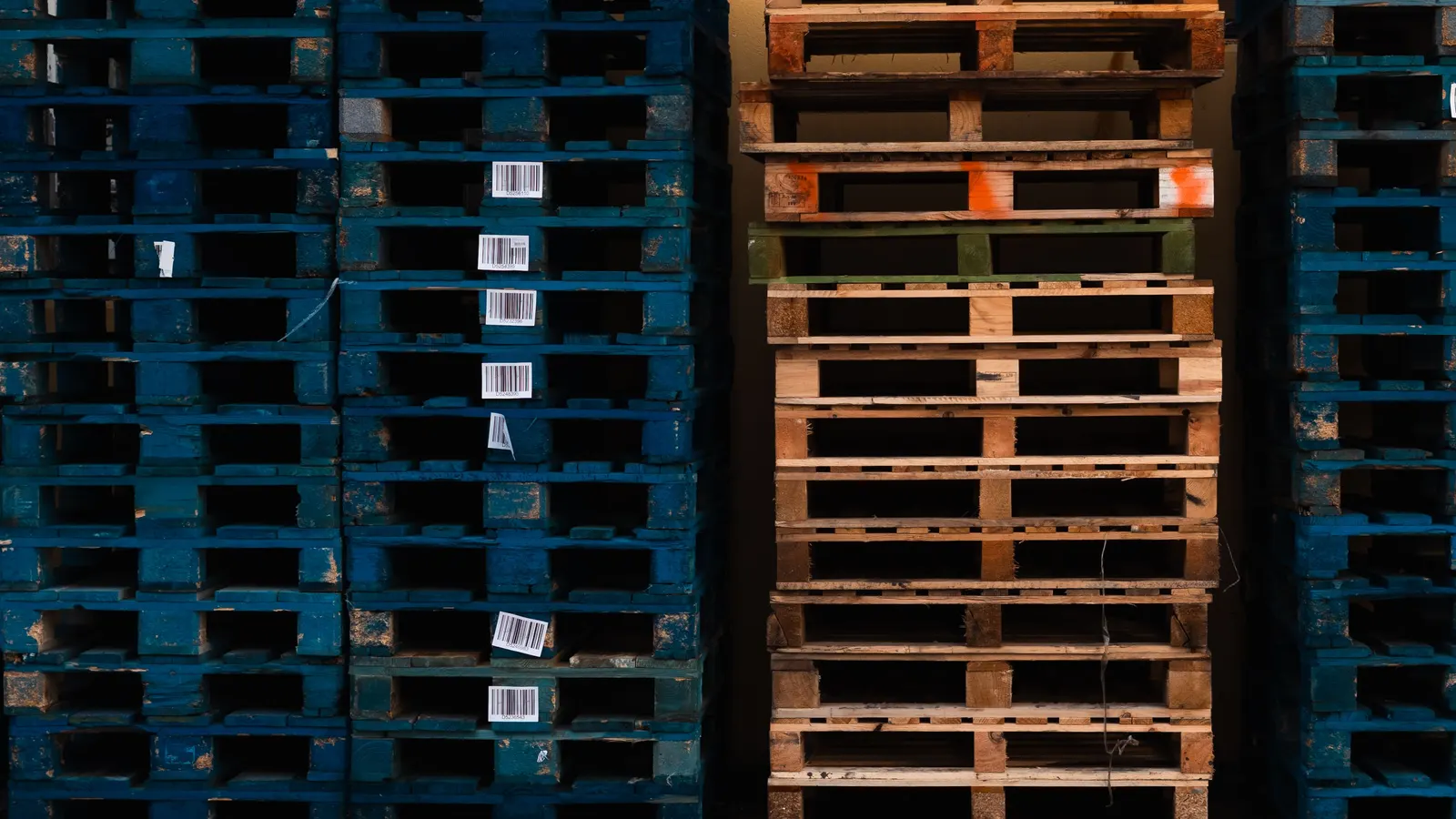
Fatturare lo stoccaggio: modelli che seguono il pallet, il giorno o entrambi
A pallet al giorno, al metro quadro, ricevimento e spedizione: cosa premia ciascun modello di fatturazione dello stoccaggio, prima della prima fattura.

Il problema dei due magazzini: la giacenza in transito tra le vostre sedi
Spostare la giacenza tra le vostre sedi è insieme una spedizione e un movimento di libro. Fate solo una delle due e la merce svanisce "in transito".

Ubicazioni di magazzino che hanno senso per chi preleva alle 6 del mattino
Al sistema serve un codice unico e leggibile a scanner; a chi preleva serve un'ubicazione da trovare alle 6 senza pensarci. Uno schema per entrambi.

Camion proprio o trasporto acquistato: la decisione che la maggior parte dei produttori prende per abitudine
Il camion proprio di un produttore sembra gratis perché già pagato. Quanto costa davvero una consegna con esso, dove il vettore conviene, e a chi spetta la scelta.

Lo scaffale non è una promessa: a magazzino, riservato, disponibile e in arrivo
Quarantadue a scaffale, trenta riservati, sessanta in arrivo: solo un numero è promessa di vendita, e una consegna in ritardo parte spesso da un saldo giusto.

Tre orologi in ogni noleggio: disdetto, ritirato, pronto al noleggio
Il noleggio smette di fatturare in un momento, il mezzo lascia il cantiere in un altro, e torna a guadagnare in un terzo. Lì si nascondono dispute e utilizzo perso.

Un richiamo è un problema di ricerca: dal numero di lotto al destinatario prima che finisca la giornata
Un richiamo raramente si perde sulla decisione, ma nelle ore spese a trovare chi ha ricevuto il lotto. Cosa chiedono le linee guida UE GDP, sezioni comprese.

La questione dell'officina: postazione interna o servizio esterno?
Una postazione interna è un costo fisso che deve riempirsi; un'officina esterna costa controllo e tempi. Come impostare la scelta e il modello misto più diffuso.

Una prova di consegna che il cliente scarica da solo, senza chiedervela
L'email che chiede il POD è la sorella discreta di «dov'è la mia spedizione?». Cosa deve contenere una prova di consegna per un revisore, e come dare autonomia.

Listini che si calcolano da soli
Matrici di zone, scaglioni di peso, minimi e supplementi preventivano in modo coerente solo se li applica il sistema stesso.

I viaggi a vuoto in Europa: cosa dicono davvero le statistiche
I dati di Eurostat sui chilometri-veicolo a vuoto nel trasporto merci su strada UE: ripartizione nazionale/internazionale, trend, e cosa nasconde la media.

Un tablet in cabina, o il telefono già in tasca?
I tablet fissi promettono controllo e diventano soprattutto un secondo dispositivo da caricare, aggiornare e perdere. Dove un tablet montato vince comunque.
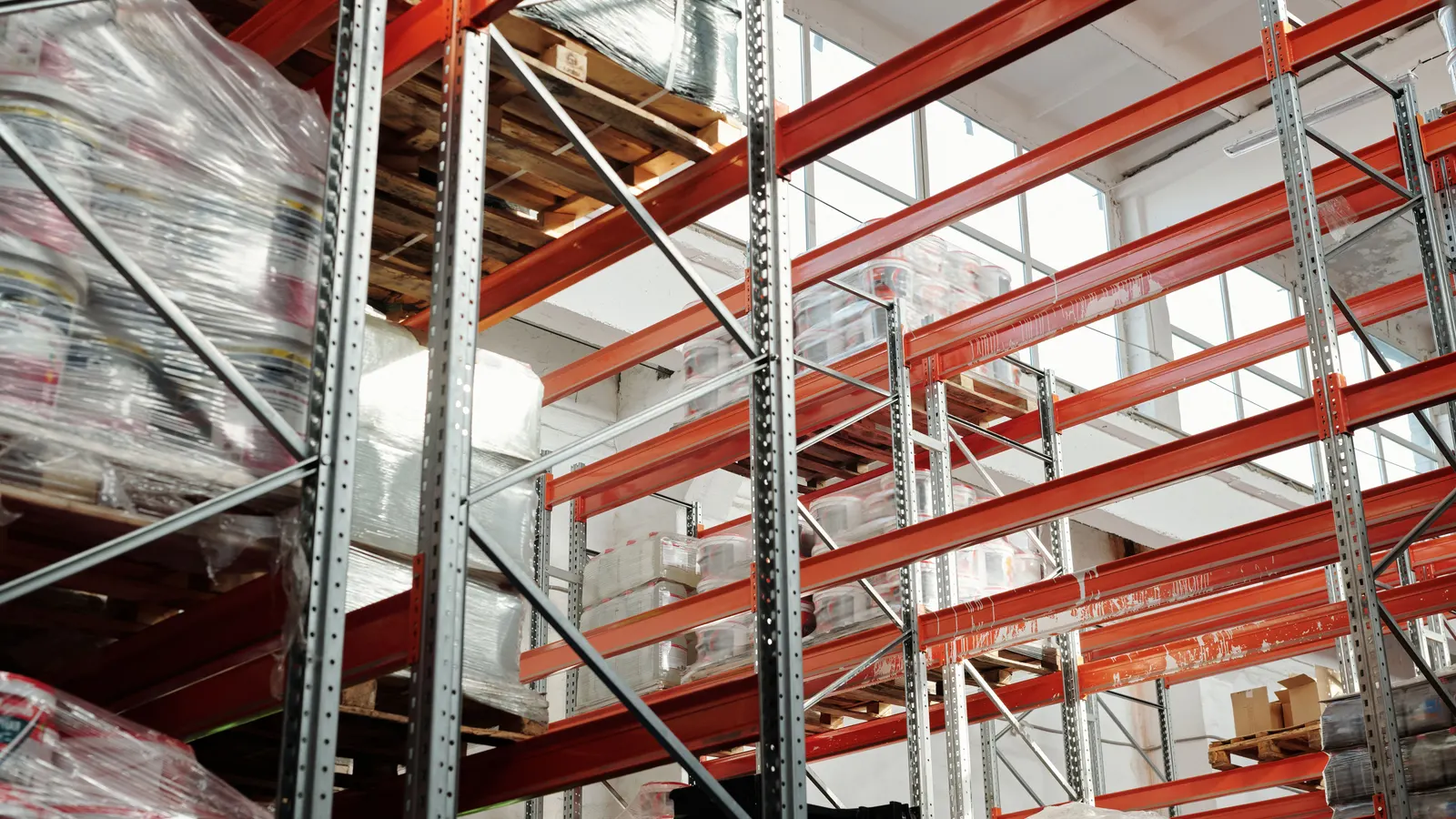
Ordini ricorrenti: il trasporto che ogni settimana ribattete a mano
Il giro del martedì riprenotato da zero ogni lunedì è fatica con un margine d'errore. Cosa offre un modello salvato — e il controllo che chiede in cambio.

Fermo mezzo e tempi di attesa: fatturare le ore già perse
Fatturare il fermo mezzo richiede una tariffa concordata prima e orari affidabili, non il ricordo di un autista dopo una lunga attesa.

L'ora offline: cosa succede alla flotta quando manca il segnale
Tunnel e zone senza campo sono la norma, non l'eccezione. Cosa deve restare in locale sul telefono, cosa può aspettare e cosa non può mai aspettare il segnale.
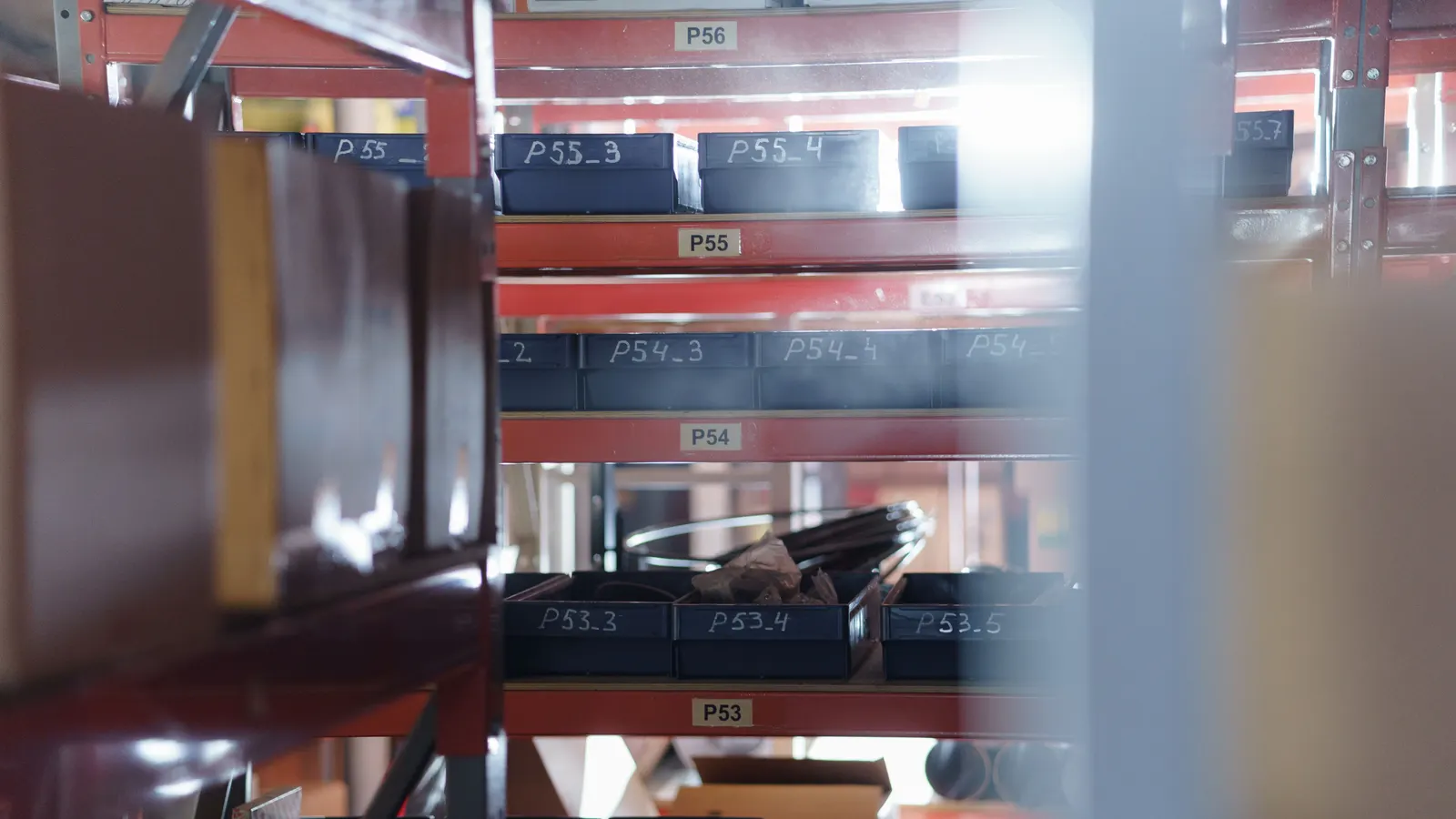
Ricambi d'officina: il magazzino è un registro in cui si entra
Il magazzino ricambi slitta quando il consumo si registra nel momento sbagliato. Ordini di lavoro e soglie di riordino oneste tengono lo scaffale vero.
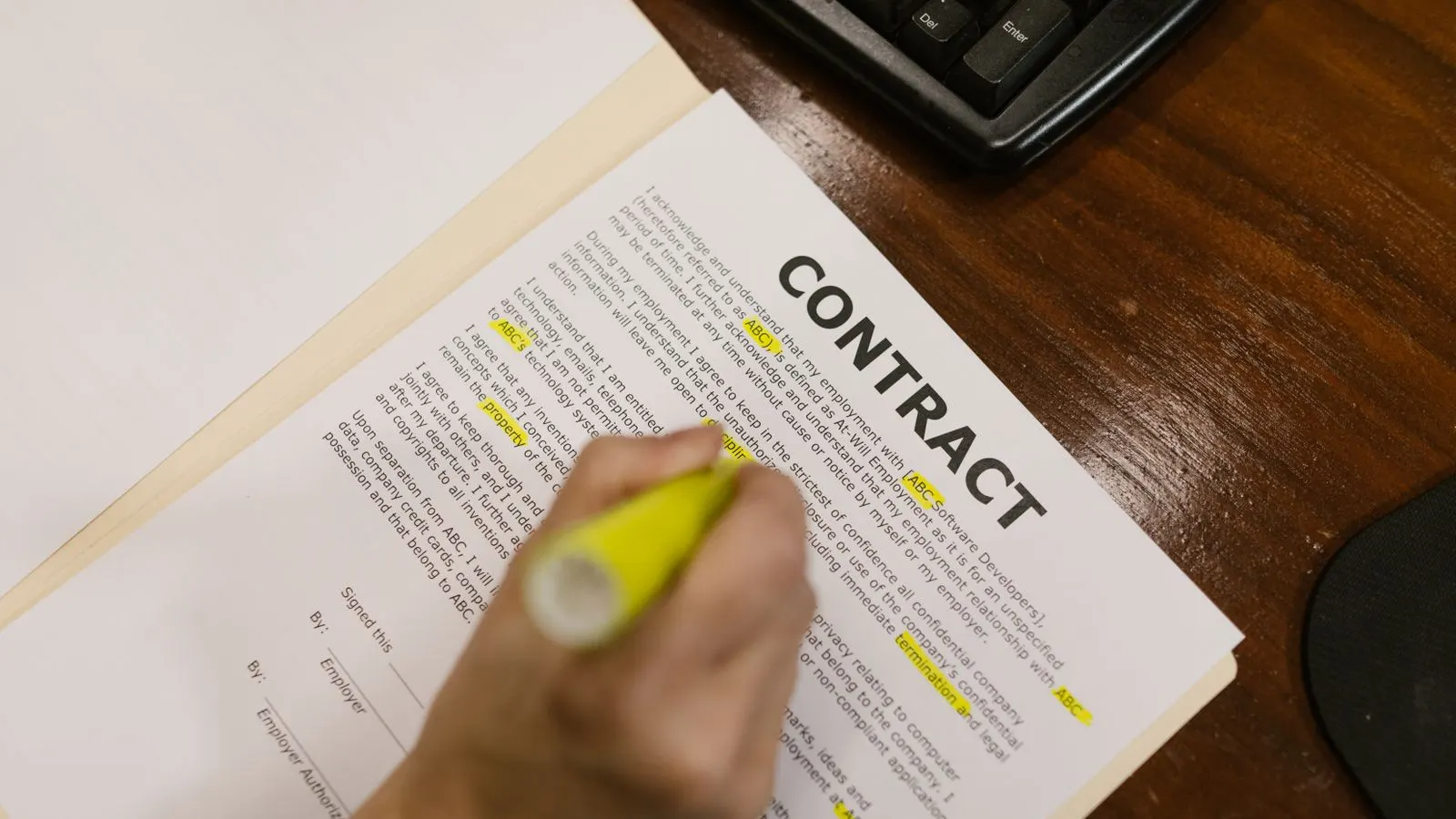
Leggere una gara di trasporto come un vettore, rispondere come un partner
Le gare di trasporto premiano chi mostra dati, non il prezzo più basso. Cosa deve contenere la risposta, e le clausole che annunciano un contratto in perdita.

Fonte unica di verità: cosa significa prenderla alla lettera
Ogni fornitore promette un'unica fonte di verità. Il test utile è più preciso: due schermate possono contraddirsi sullo stesso fatto — e chi vince?
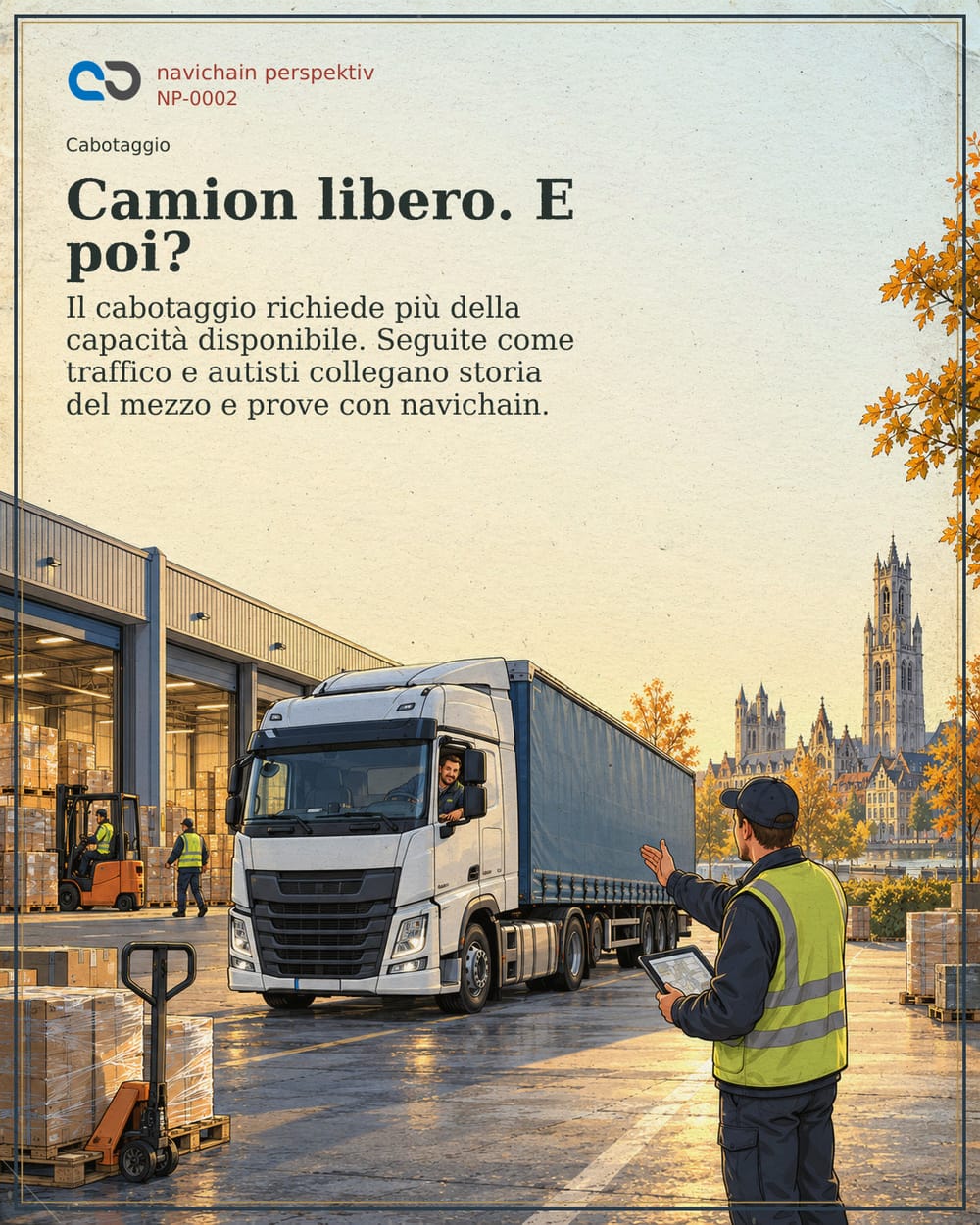
Cabotaggio: tre in sette è solo l'inizio
Il cabotaggio richiede più della capacità disponibile. Seguite come traffico e autisti collegano storia del mezzo e prove con navichain.

Il camion non dovrebbe vivere in un altro sistema
Quando un veicolo deve entrare in officina, le conseguenze vanno oltre l’elenco dei lavori dei meccanici.

Il clic è l'inizio. La consegna è la promessa.
Come navichain collega ordini online, acquisti, magazzino e distribuzione

Il cliente ha bisogno della prova di consegna. Non dell’intera giornata dell’autista.
Protezione dei dati nel trasporto con ruoli chiari, informazioni pertinenti e accessi controllati.
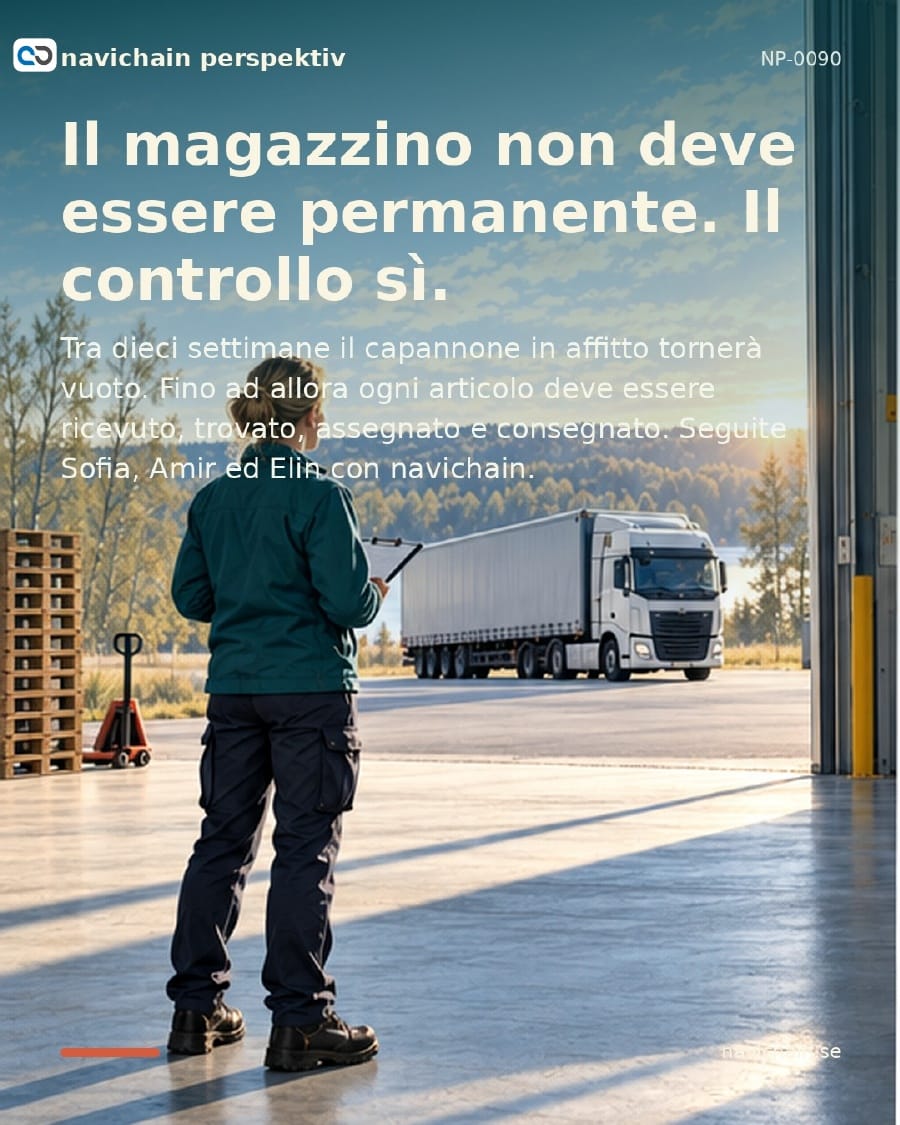
Il magazzino non deve essere permanente. Il controllo sì.
Tra dieci settimane il capannone in affitto tornerà vuoto. Fino ad allora ogni articolo deve essere ricevuto, trovato, assegnato e consegnato.

Il pallet è scansionato. È pronto per il prossimo camion?
Un segnale identifica la merce. navichain collega ricevimento, ubicazione e trasporto successivo in un unico flusso.

Il ricambio giusto. Nel furgone giusto. Lavoro concluso.
Un tecnico può arrivare puntuale e aver fatto comunque un viaggio inutile.

Il sistema del cliente muove il carico. Chi guida la tua impresa?
Come un vettore può costruire una propria visione operativa tra i sistemi dei clienti senza sostituire ciò che già funziona.

Il sistema del cliente organizza il suo trasporto. Chi organizza tutta la vostra giornata?
Un cliente può avere un ottimo portale e il trasportatore avere comunque bisogno di uno strumento proprio. Il portale vede gli ordini di quel committente.

L'Europa ha bisogno di autisti. Potete permettervi di farli aspettare?
Quando lo stesso camion lascia in ritardo lo stesso punto di carico ogni settimana, sapere che l'autista sta aspettando non basta.

La consegna non è conclusa finché la prova non regge
Come navichain collega ordine, passaggi, anomalie e prova di consegna in un unico fascicolo di trasporto utilizzabile.
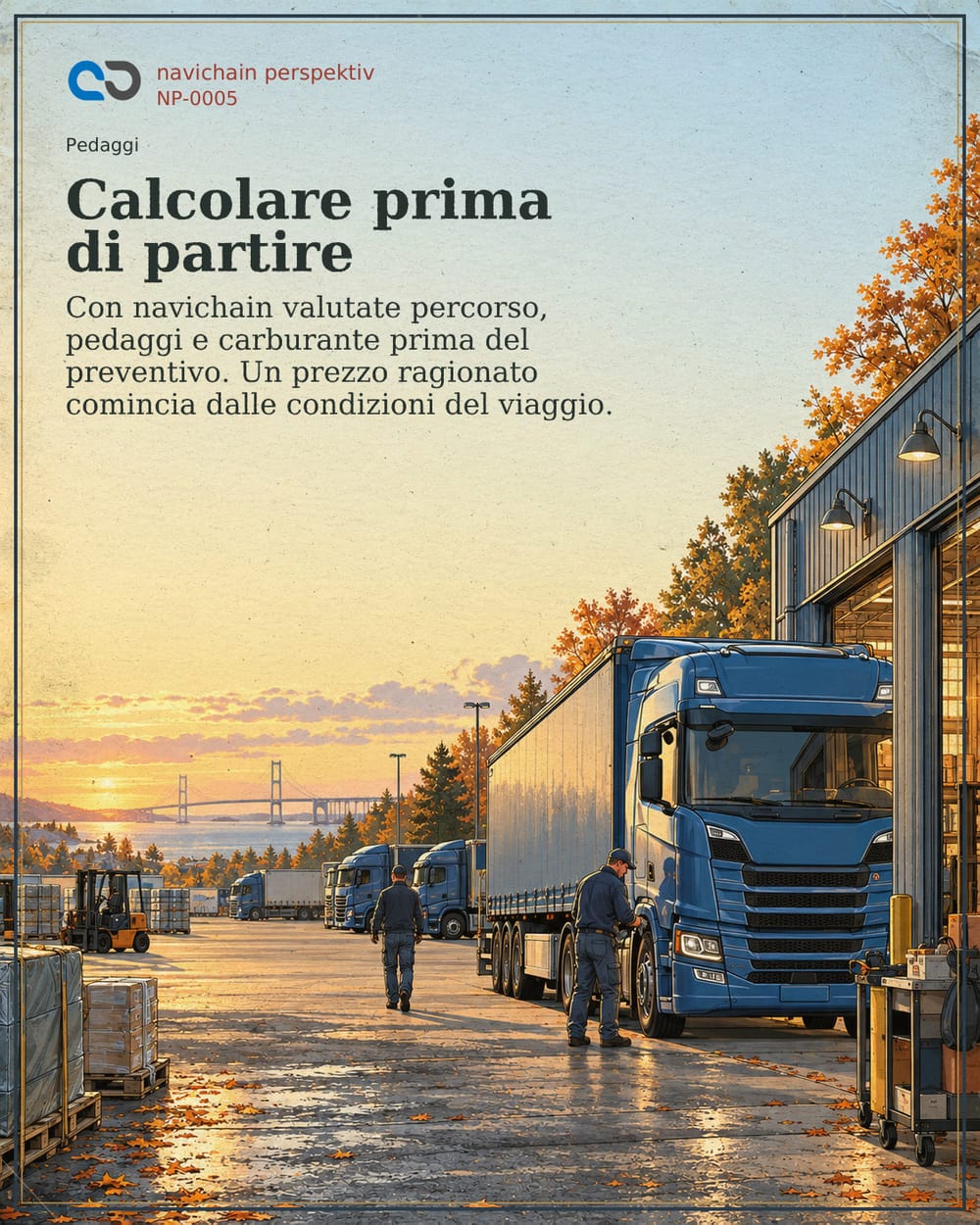
La strada costa prima che il camion parta
Con navichain valutate percorso, pedaggi e carburante prima del preventivo. Un prezzo ragionato comincia dalle condizioni del viaggio.

Le vostre informazioni di trasporto sono pronte a lasciare la pila di carta?
Le informazioni di trasporto diventano utili quando la persona successiva le comprende senza chiamare chi le ha registrate.

Noleggio sotto controllo. Pronti per il prossimo lavoro.
Disponibilità, tariffe, assegnazione, distribuzione e manutenzione collegate nel lavoro quotidiano.

Ordinato non significa consegnato
La promessa del grossista si realizza solo quando vendite, acquisti, magazzino e distribuzione operano come un unico flusso.

Quando la consegna cambia
Seguite una consegna con imballaggio danneggiato. Navichain aiuta autista e ufficio a collegare documentazione, decisione e prossima azione.

Serenità in cabina. Controllo in centrale.
Rendere visibili riposi e condizioni di cabotaggio prima dell’impegno consente di agire presto e consegnare un piano eseguibile.

Notifications your customers want (and the ones they mute)
Four events earn a message: booked, collected, delivered, problem. Everything else trains the customer to ignore you — including the one that mattered.

Cross-docking or storage? Two warehouse jobs that pretend to be one
Flow-through is measured in hours and touches, custody in days and accuracy. Deciding which job a consignment is — at intake, not at discovery.
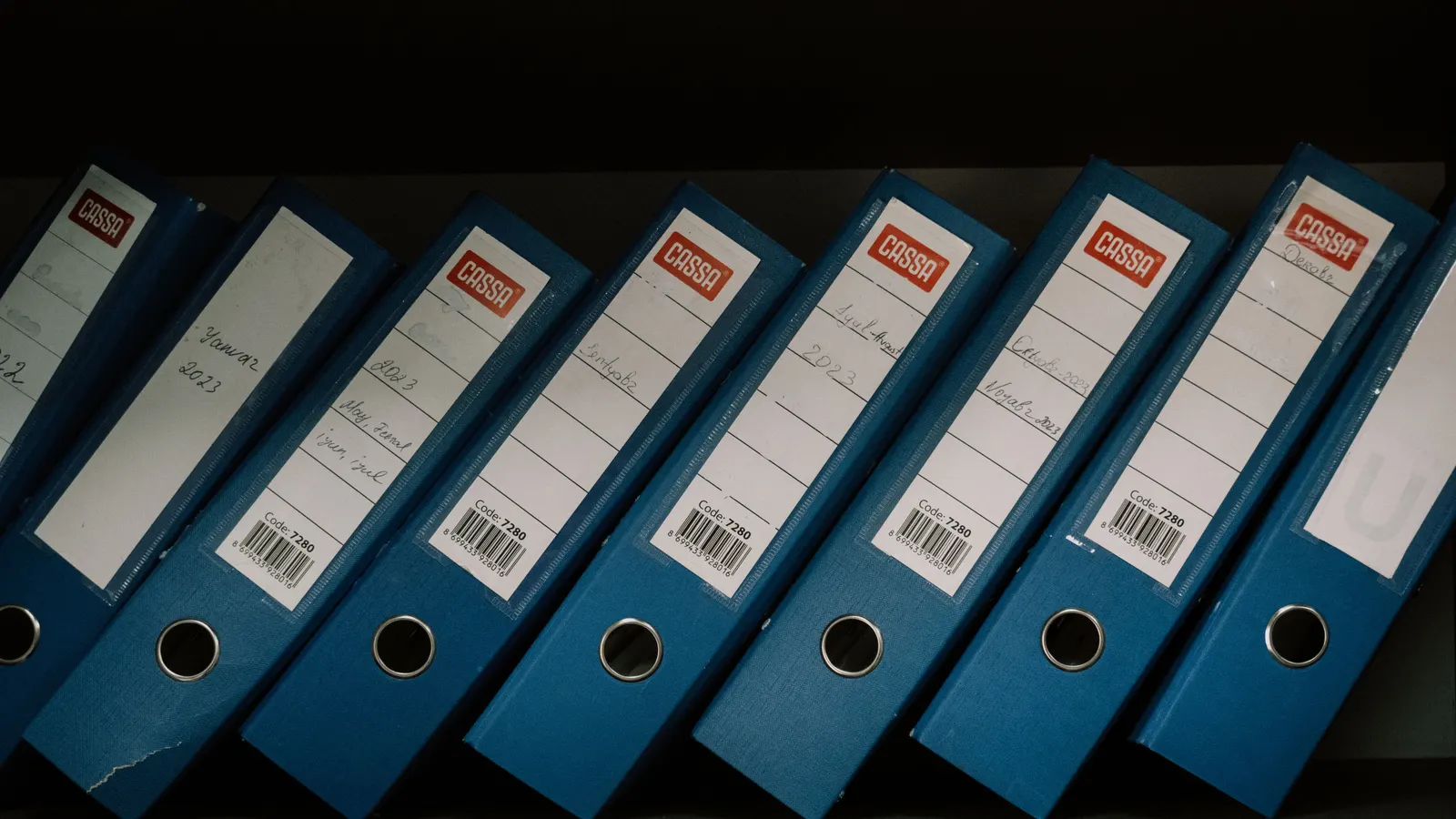
The personal data a carrier forgets it holds
Driver cards, GPS traces, dashcam footage, consignee names, a signature on a doorstep. What the GDPR actually asks of a transport operator, with article numbers.
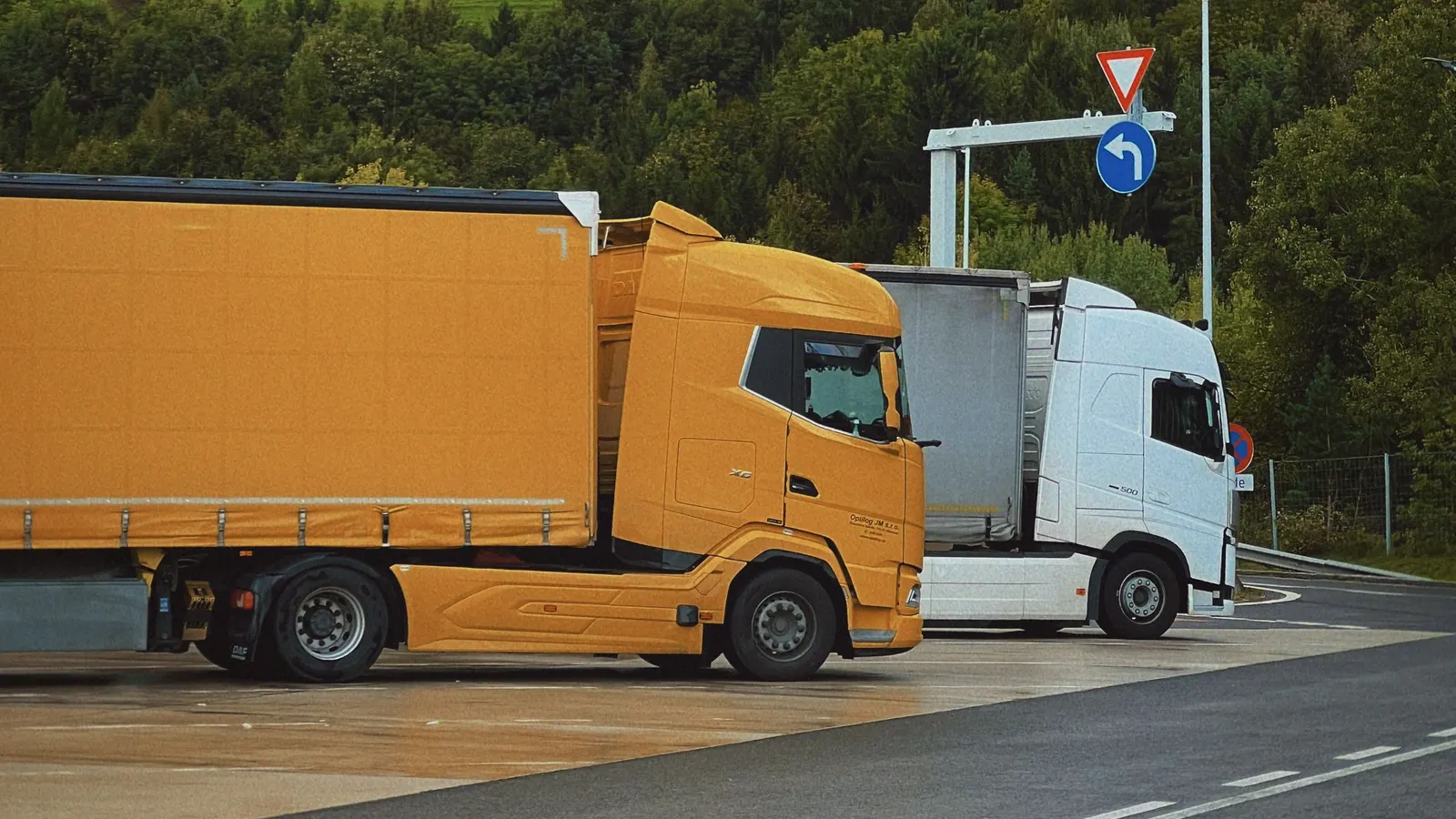
The truck you buy for December stands still in February
A six-week peak does not justify a vehicle you own for ten years. What handing a run to another carrier actually asks of your office, and where it goes wrong.

The dates that ground a truck are not the ones in your service plan
Roadworthiness, tachograph calibration, ADR and driver CPC each run on their own clock, and any of them can park a truck. One register, forward notice, an owner.

Five numbers a small fleet should look at every Monday
Utilisation, empty share, revenue per vehicle-day, DSO and unplanned downtime — why these five, and why adding more dashboards is usually less management.

The damage file you build before anything is damaged
A damage claim is decided by what was recorded at handover. The reservations, photos and weights worth capturing every time, and the clocks that start at delivery.

Drivers' hours are a planning constraint, not a driver problem
Nine hours a day, 56 a week, a 45-minute break after four and a half. The EU limits are arithmetic a dispatcher can do before the truck moves.
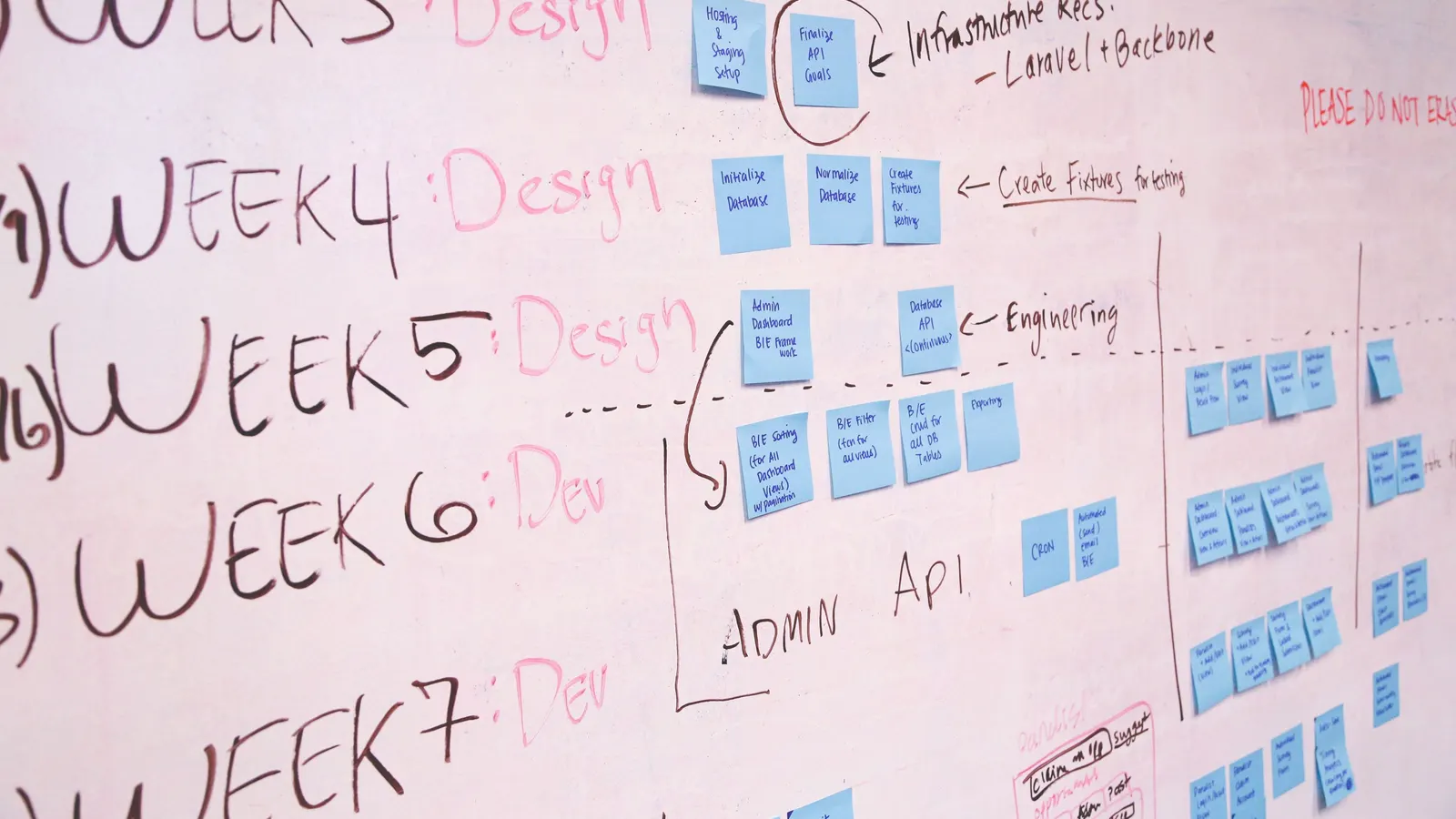
Why TMS implementations fail (and the failure is rarely the software)
Four patterns sink transport software projects: dirty master data, no named owner, a big-bang cutover, and old habits wearing new screens.

API or EDI? Choosing the right pipe for each partner
EDI is an agreement with batch semantics; an API is interactive and cheap to stand up. Which fits which partner, and why most carriers run both.

The first four weeks with a new customer decide whether the account is profitable
Winning the contract is the easy part. The four weeks after it — addresses, price list, booking channel, invoice format — decide what the account actually earns.
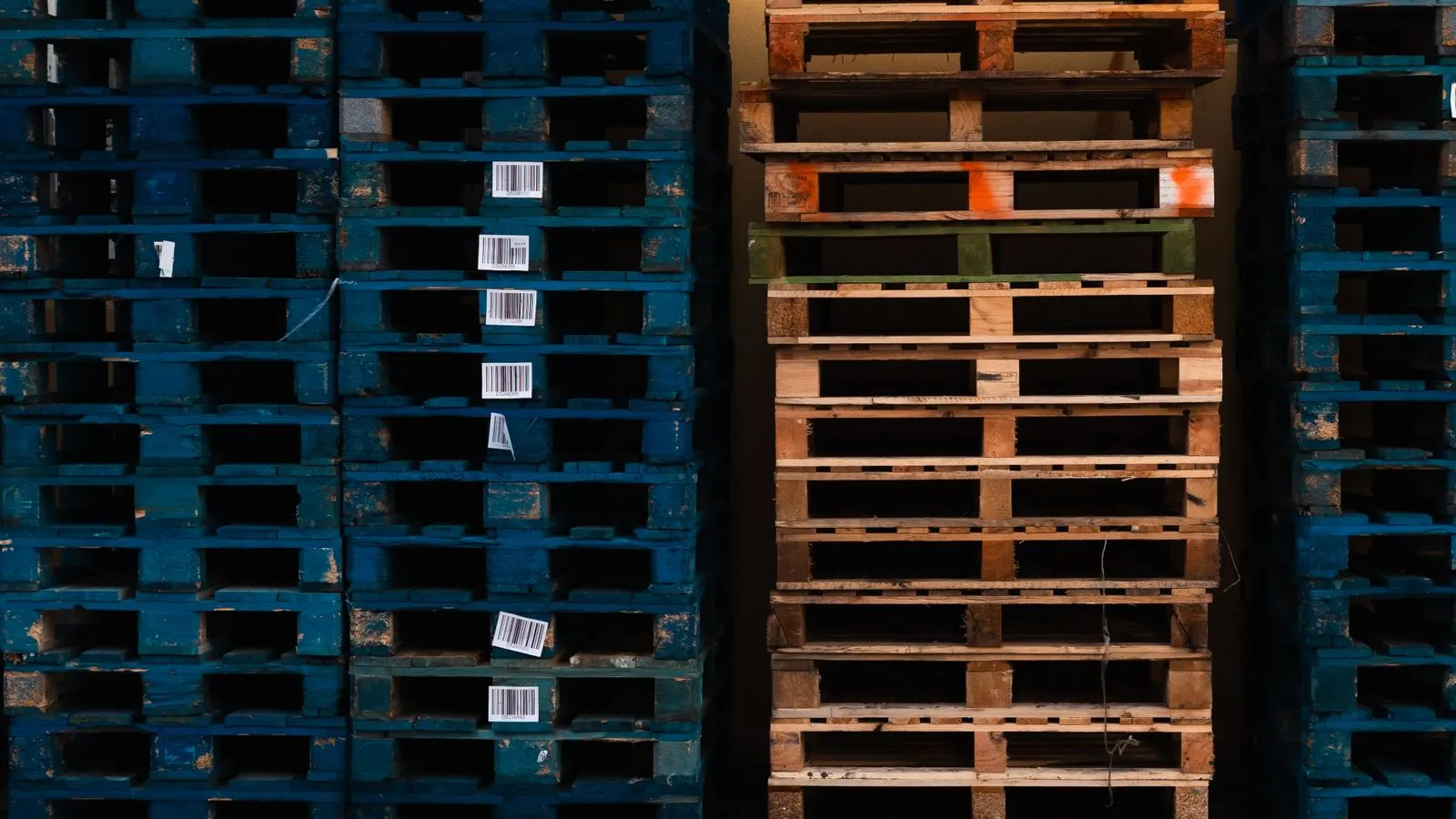
Barcodes in a small warehouse: cheap discipline that compounds
A label printer and a scanner turn a warehouse memory into a lookup anyone can do. What to label, what a barcode should encode, and when to scan it.
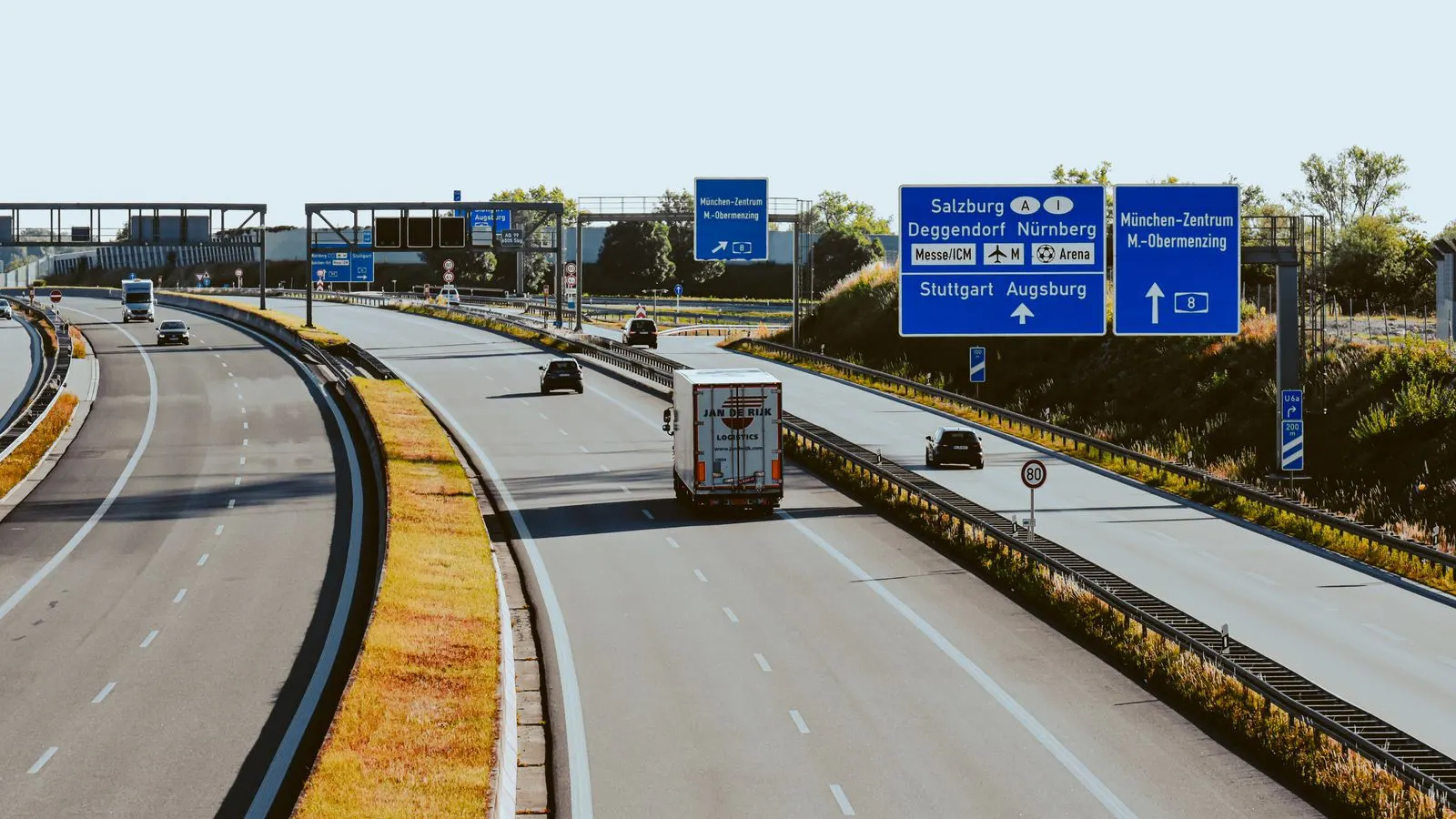
Cabotage in plain language: what the rules actually permit
Three operations in seven days, then four days out. What the EU cabotage rules permit as of August 2026, and what must be produced at a roadside check.

Your trailer fleet is an asset register nobody keeps
Trailers hold real capital and are usually tracked from memory. The four facts worth recording about each one, and how they end the Friday trailer hunt.

Fuel surcharges customers accept
A fuel surcharge survives negotiation when it is indexed to a published diesel price, arithmetically reproducible, and symmetric — it falls when diesel falls.

Multi-stop tours: what your consignment paperwork must not flatten
A tour with three deliveries is three consignments sharing a vehicle. What the CMR Convention keeps separate, and where flattening it into one booking bites.

Stop retyping invoices into your accounting system
The booking already holds the customer, the charges and the VAT. What a TMS-to-accounting integration actually transfers, and where the mapping needs care.
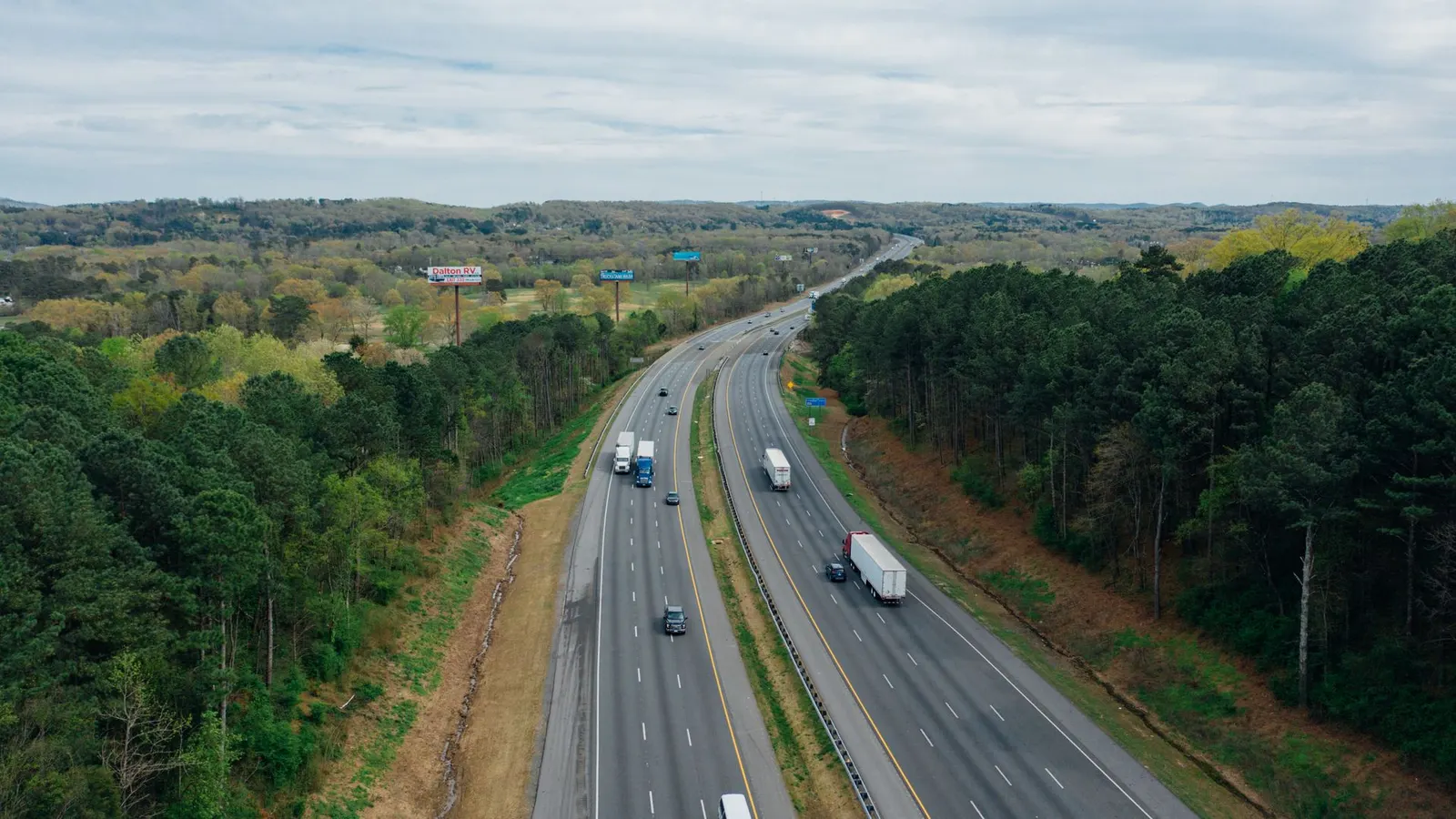
The empty kilometre: why backhauls are a planning problem, not a sales problem
Empty legs get treated as a gap in sales. Most of the fix is visibility — seeing the trailing empty leg at booking time, and knowing what may ride together.

Storing customer goods: the day your terminal became a warehouse
The informal hold these pallets until Thursday arrangement, and what it takes to run it properly: a goods receipt note, a defined clock, and a clean release.

Your customers do not want a tracking link, they want to stop calling you
The where-is-my-shipment call is a symptom, not a nuisance. What a customer portal has to show — bookings, tracking, POD and invoices — to actually stop it.

Daily vehicle checks drivers actually do
A walkaround check that takes eight minutes on paper gets ticked from the cab by week three. How to design one that drivers finish honestly.

Getting drivers to actually use the app
Driver app adoption is a design constraint, not a training problem: BYOD, one-tap status, no leftover paper, and honest behaviour when coverage fails.

eCMR and eFTI: what actually changes for road carriers on 9 July 2027
The EU eFTI Regulation obliges authorities to accept electronic freight information from July 2027. What that does and does not require of carriers.

Which countries accept eCMR today
The e-CMR Protocol is ratified one country at a time, so a lane is only paper-free when both ends and the transit states have joined. The verified list.
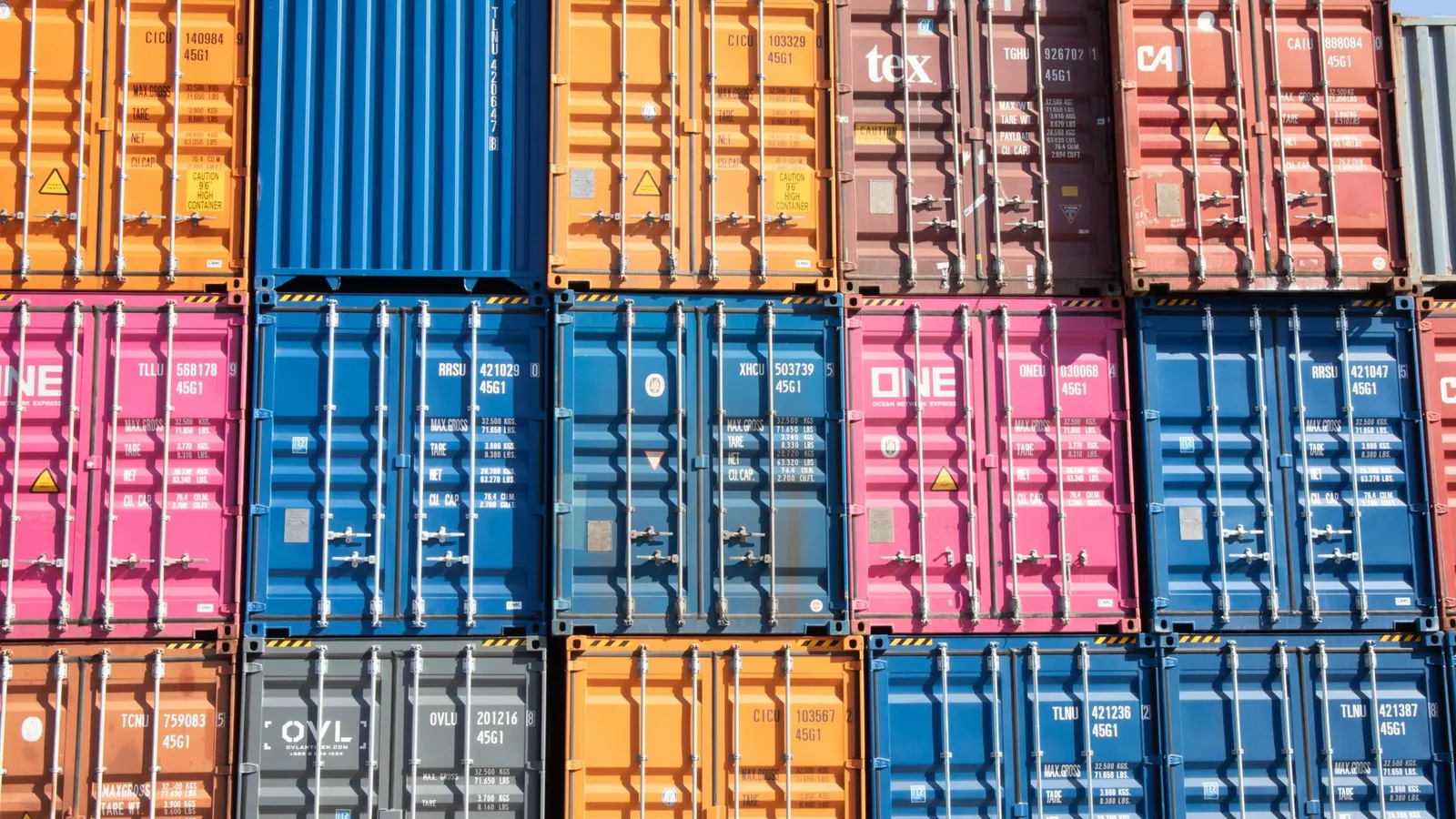
EDI for small carriers: what it is, when it pays, and when it does not
What EDIFACT really involves for a ten-truck operation — the three messages that actually flow, the setup nobody mentions, and where the break-even sits.
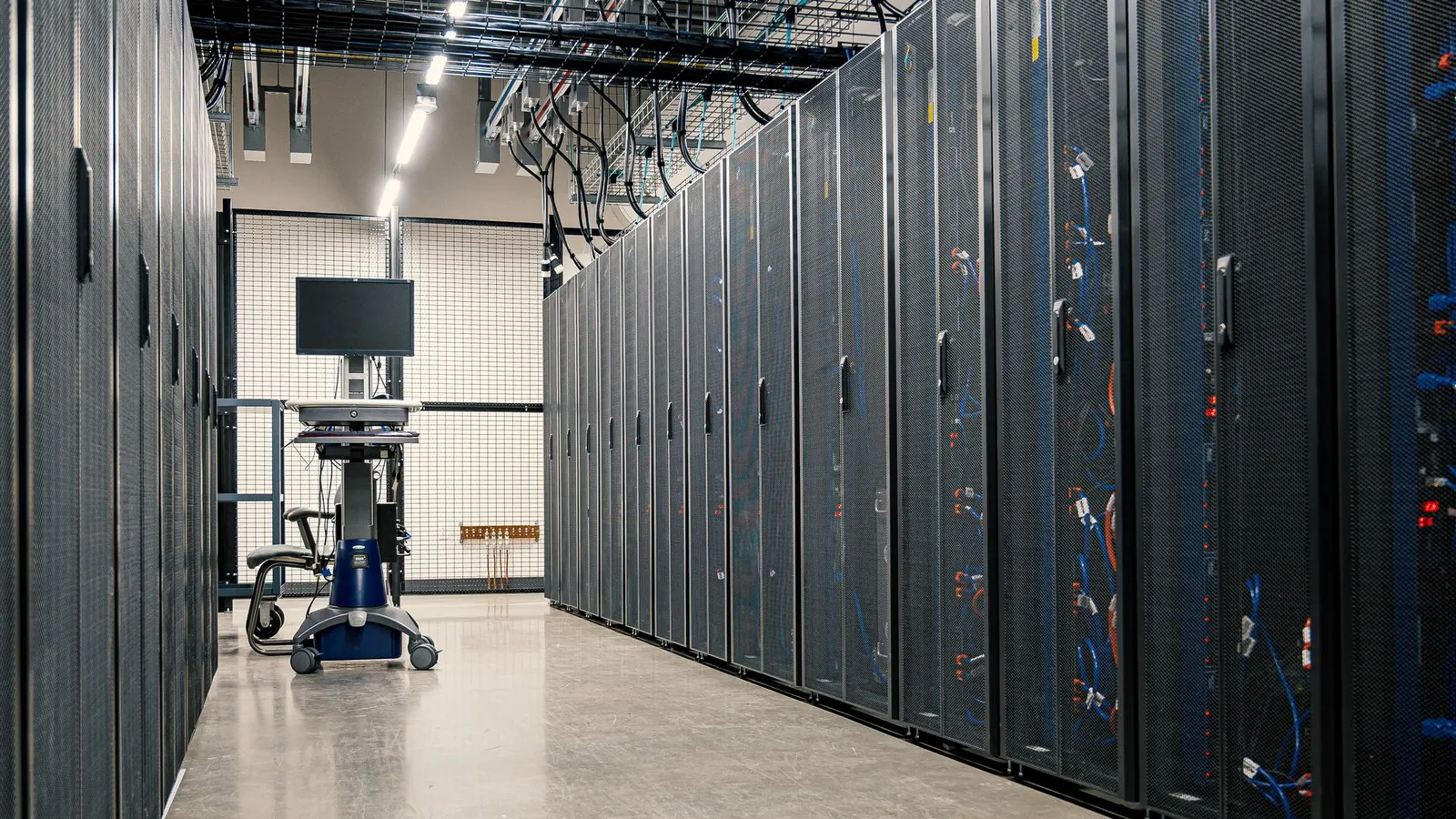
What "EU-hosted" actually means when a customer asks
A plain-language guide for carriers answering a procurement questionnaire: hosting jurisdiction, per-tenant isolation, export rights and what GDPR actually says.
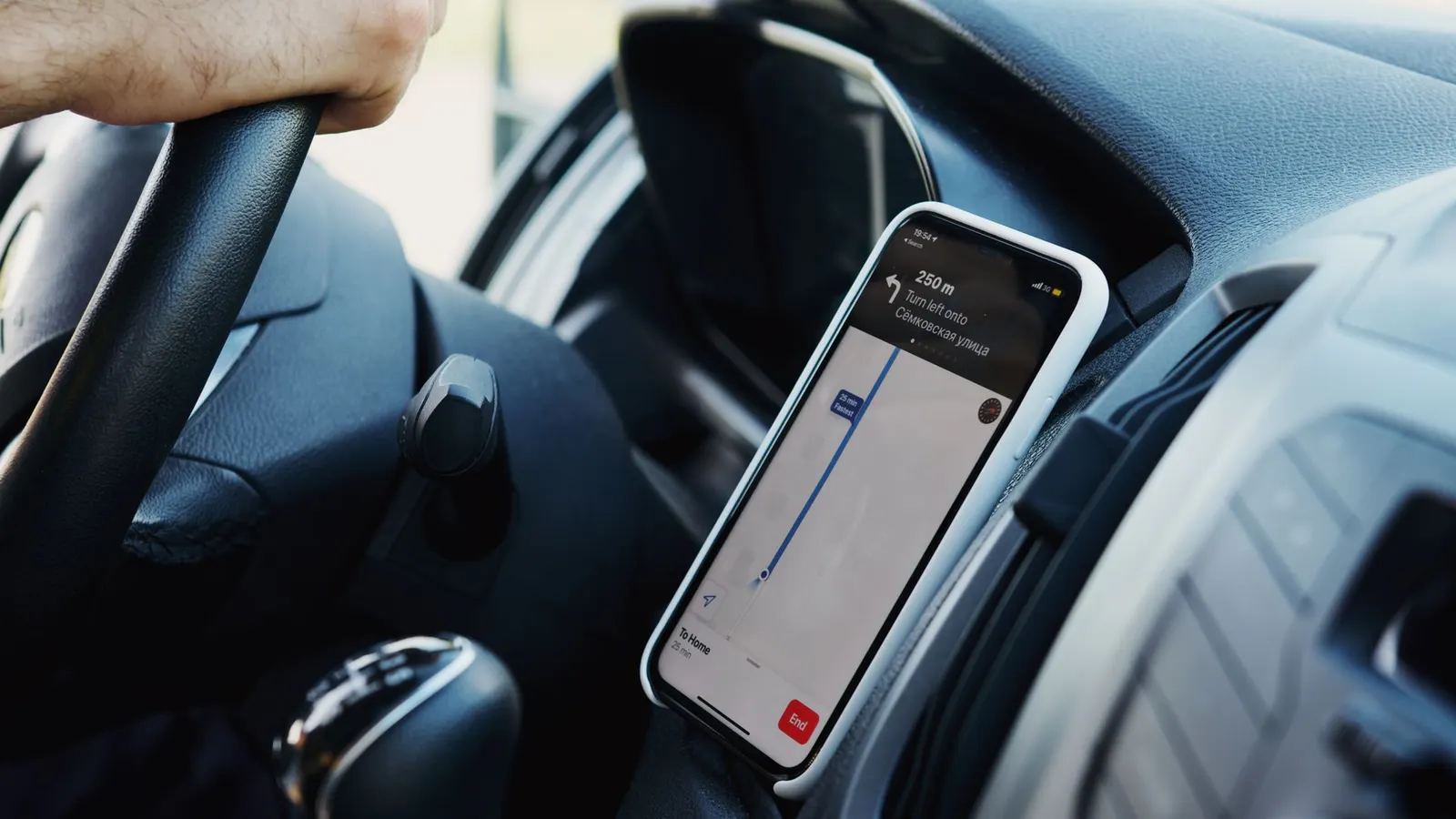
GPS tracking without the second subscription
Three ways a small fleet gets vehicle positions — telematics hardware, a driver phone, or tracking inside the TMS — and what each really costs and answers.

Groupage for small carriers: when consolidation pays and when it costs
Consolidating part-loads lifts revenue per kilometre and multiplies handling, paperwork and claims risk. A break-even way to find where your own line sits.

The honest ETA: why "before lunch" beats "10:23"
A minute-precise ETA is a promise you cannot keep. What an arrival time can honestly say at booking, at dispatch and en route — and how to widen a window well.

How to choose a TMS in 2026: a working checklist for small and mid-size carriers
The questions that actually separate transport management systems — total cost beyond the licence, data exit, integrations and honest pricing models.

Invoice the day you deliver: the shortest lever on cash flow
Payment terms get negotiated hard. The gap between delivery and invoice gets given away for free. Where those days hide, and what closing them requires.
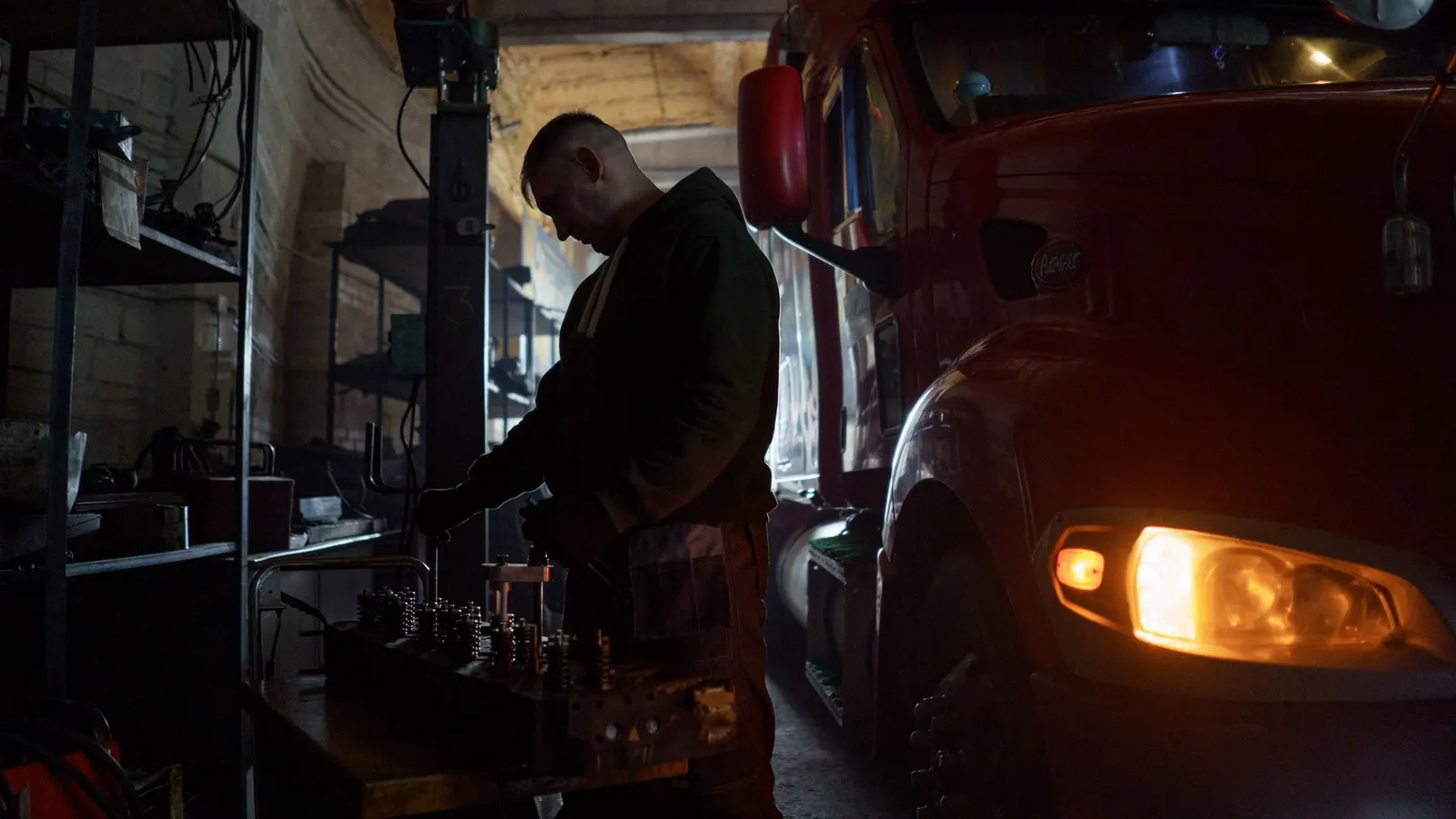
Vehicle downtime is a data problem before it is a workshop problem
Calendar cycles and odometer cycles live in different places, which is why small fleets service on instinct. And what to do with a cycle you cannot judge.

What proof of delivery actually costs you when it arrives on paper
Paper PODs ride in the cab until Friday and the invoice waits for all of it. The arithmetic of the delivered-to-invoiced gap, and how to close it.

Route planning that survives contact with Tuesday
The first plan is the easy one. What decides a planning tool is the cost of the second — moving a booking, knowing which vehicles are free, telling the customer.

The day the dispatch spreadsheet stops scaling
Excel dispatch works until concurrent edits, no driver link, no history and no customer view cost more than the tool saves. The symptoms that mark the crossover.

Stocktakes without stopping the warehouse
The annual wall-to-wall count freezes the warehouse and is stale by February. How counting a slice at a time against a movement ledger works instead.

Transport and warehouse in one system: what actually breaks when they are separate
Carriers who also store goods usually run a TMS beside a WMS. The gap between them is where custody, billing and customer trust quietly leak.

Truck-aware routing: why car navigation sends lorries under low bridges
A consumer GPS does not know your height, axle weight or ADR load. What truck routing must know about the vehicle, and why bridge strikes are a data problem.

Winter operations in the Nordics: planning for the season, not the forecast
The winter plan is a capacity decision made in October, not a scramble in December: buffer times, tyre readiness and daylight as planning inputs.