Uvidi
Vodiči, razmišljanja o proizvodu i ekonomija moderne logistike.

Povlačenje serije je problem pretraživanja: od broja serije do primatelja prije kraja dana
Povlačenje se rijetko izgubi na odluci, nego u satima traženja tko je primio seriju. Što traže EU GDP smjernice, s brojevima odjeljaka.

Tri sata u svakom najmu: odjavljeno, preuzeto, spremno za najam
Najam prestaje biti naplativ u jednom trenutku, stroj napušta gradilište u drugom, i zarađuje opet u trećem. Tu su sporovi oko računa i izgubljena iskorištenost.

Vlastiti kamion ili kupljeni prijevoz: odluka koju većina proizvođača donosi iz navike
Vlastiti kamion proizvođača djeluje besplatno jer je već plaćen. Što isporuka njime zapravo košta, gdje je prijevoznik jeftiniji, i zašto odluka pripada pošiljci.

Zaliha na polici nije obećanje: na stanju, rezervirano, raspoloživo i na putu
Četrdeset dva na polici, trideset rezervirano, šezdeset na putu: samo jedan broj prodaja može obećati, i zakašnjela isporuka obično počinje točnim stanjem.

Dokaz o isporuci koji klijent može preuzeti sam, bez pitanja vama
E-mail s molbom za POD tiša je sestra poziva „gdje mi je pošiljka?”. Što dokaz o isporuci mora sadržavati za revizora i kako ga klijenti mogu preuzeti sami.

Razgovor o radionici: vlastito mjesto ili vanjski servis?
Vlastito radioničko mjesto stalni je trošak koji se mora popuniti; vanjski servis košta kontrolu i termine. Kako postaviti izbor i mješoviti model koji većina bira.

Cjenici koji se sami izračunavaju
Matrice zona, težinski razredi, minimumi i doplate izračunavaju dosljedno samo kad ih primjenjuje sustav — ne "nazovite za ponudu".

Prazne vožnje u Europi: što statistika zapravo pokazuje
Eurostatovi vlastiti podaci o praznim vozilo-kilometrima u cestovnom prijevozu robe u EU-u: podjela na domaći/međunarodni promet, trend i što prosjek skriva.

Tablet u kabini ili mobitel koji je već u džepu?
Ugrađeni tableti obećavaju kontrolu, a najčešće postanu drugi uređaj koji treba puniti, ažurirati i izgubiti. Gdje montirani tablet ipak pobjeđuje.
Stalne narudžbe: teret koji svaki tjedan ručno upisujete iznova
Utorkova ruta koja se svaki ponedjeljak rezervira ispočetka je trud s marginom pogreške. Što donosi spremljeni predložak — i kakvu provjeru zauzvrat traži.
Stajarina i vrijeme čekanja: naplata sati koje ste već izgubili
Vrijeme čekanja na utovaru i istovaru je svakodnevica, ne iznimka. Bez dogovorene tarife i dokaza taj trošak prijevoznik samo tiho proguta.

Sat bez signala: što vaša operacija radi kad nestane veze
Tuneli i mrtve zone su svakodnevica, ne iznimka. Što aplikacija mora čuvati lokalno, što može pričekati, a što stvarno ne smije čekati signal.
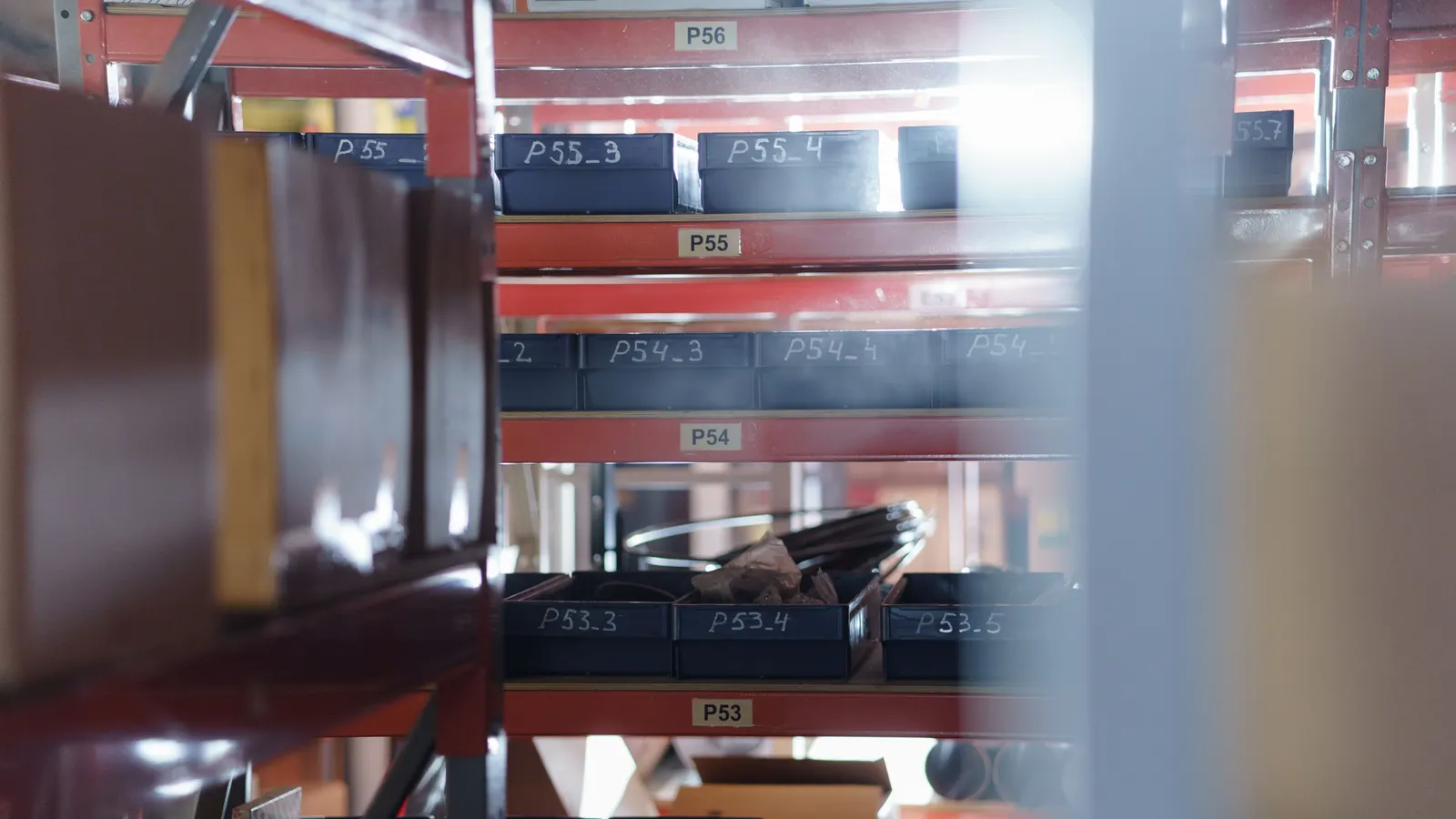
Dijelovi u radionici: skladište je evidencija u koju možete ući
Zaliha dijelova odstupa kad se potrošnja bilježi kad smeta, a ne kad se stvarno troši. Radni nalozi, pošteni pragovi narudžbe i evidencija bolja od prečice.

Čitati upit za ponudu kao prijevoznik, odgovoriti kao partner
Natječaji za ugovoreni prijevoz nagrađuju onoga tko pokaže podatke, ne najnižu cijenu. Što ponuda mora sadržavati i koje klauzule najavljuju gubitaški ugovor.

Jedan izvor istine: što to znači doslovno
Svaki dobavljač tvrdi da nudi jedan izvor istine. Koristan test je uži: mogu li se dva zaslona u vašem poslovanju ne slagati oko iste činjenice — i tko pobjeđuje?
Cesta košta prije nego što kamion krene
Navichain pomaže procijeniti rutu, cestarine i gorivo prije ponude. Promišljena cijena počinje uvjetima vožnje.

Europi nedostaje vozača. Možete li si priuštiti čekanje?
Kad kamion stoji, mijenja se ostatak dana. Pogledajte kako navichainom dokumentirati čekanje, djelovati na uzrok i poboljšati sljedeću vožnju.

Isporuka nije završena dok dokaz nije pouzdan
Kako navichain povezuje nalog, primopredaje, odstupanja i dokaz isporuke u jedan upotrebljiv zapis prijevoza.

Jesu li vaše informacije o prijevozu spremne napustiti hrpu papira?
Pratite prijevoz prema Rotterdamu. Navichain pomaže povezati narudžbu, upute i dokaz isporuke kako bi sljedeća osoba pronašla prave informacije.
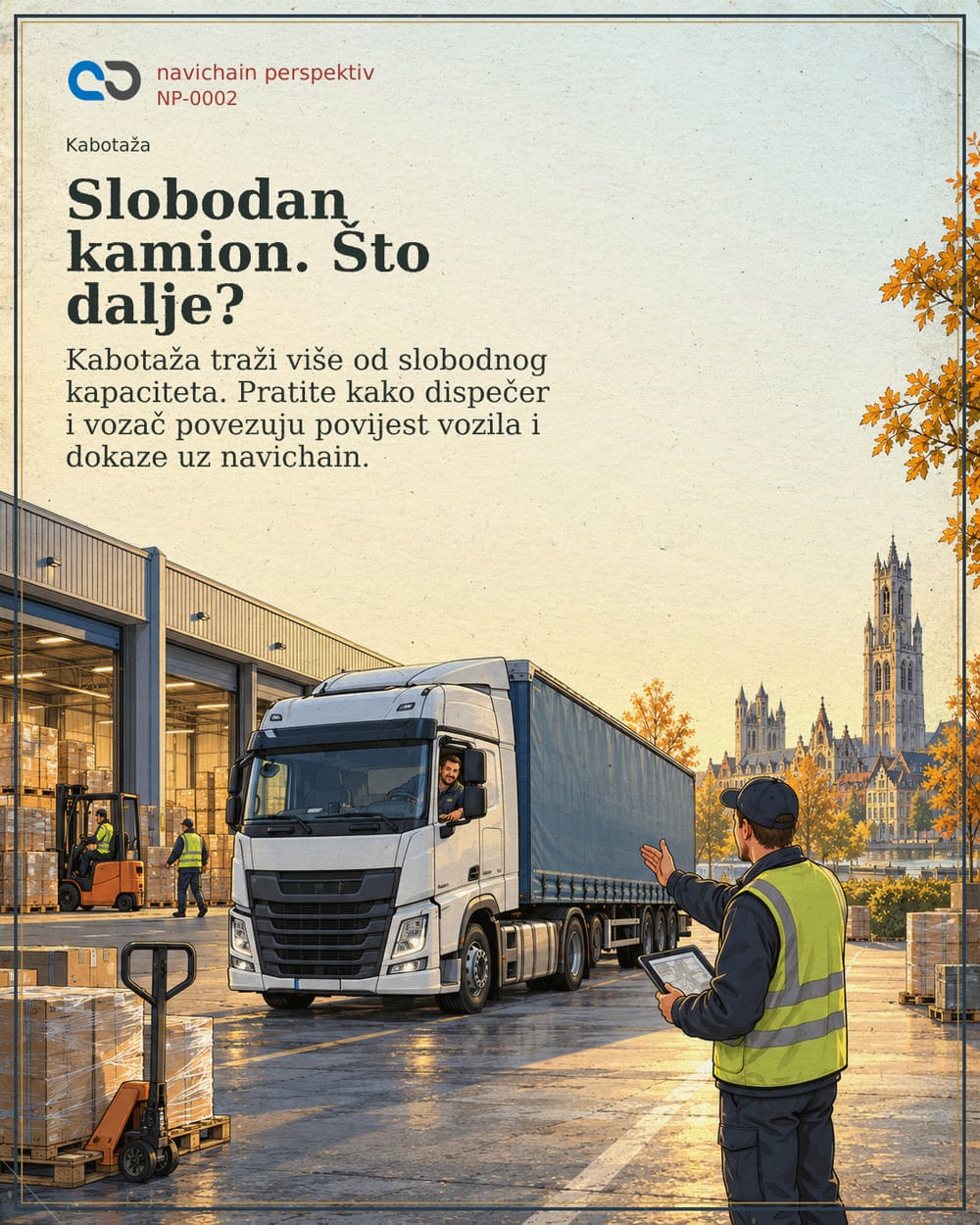
Kabotaža: tri u sedam tek je početak
Kabotaža traži više od slobodnog kapaciteta. Pratite kako dispečer i vozač povezuju povijest vozila i dokaze uz navichain.

Kad isporuka odstupa od plana
Pratite isporuku s oštećenom ambalažom. Navichain pomaže vozaču i uredu povezati dokumentaciju, odluku i sljedeću mjeru.

Kamion ne bi trebao biti u drugom sustavu
Kada vozilo mora u radionicu, posljedice zahvaćaju više od radnog popisa mehaničara.

Klik je početak. Dostava je obećanje.
Kako navichain povezuje internetske narudžbe, nabavu, skladište i distribuciju

Kupcu treba dokaz isporuke. Ne cijeli radni dan vozača.
Zaštita podataka tijekom prijevoza uz jasne uloge i kontrolirani pristup.

Mir u kabini. Kontrola u dispečerskom centru.
Kad su odmori i uvjeti kabotaže vidljivi prije odluke, dispečer može reagirati rano, a vozač dobiva izvediv plan.

Najam pod kontrolom. Spremno za sljedeći posao.
Kako povezati raspoloživost opreme, cijene najma, raspoređivanje, prijevoz i održavanje.

Naručeno nije isporučeno
Veletrgovac ispunjava obećanje tek kada prodaja, nabava, skladište i distribucija djeluju kao jedan povezani tok.

Paleta je skenirana. Je li spremna za sljedeći kamion?
Zvučni signal identificira robu. navichain povezuje primitak, lokaciju i sljedeći prijevoz u jednom tijeku.
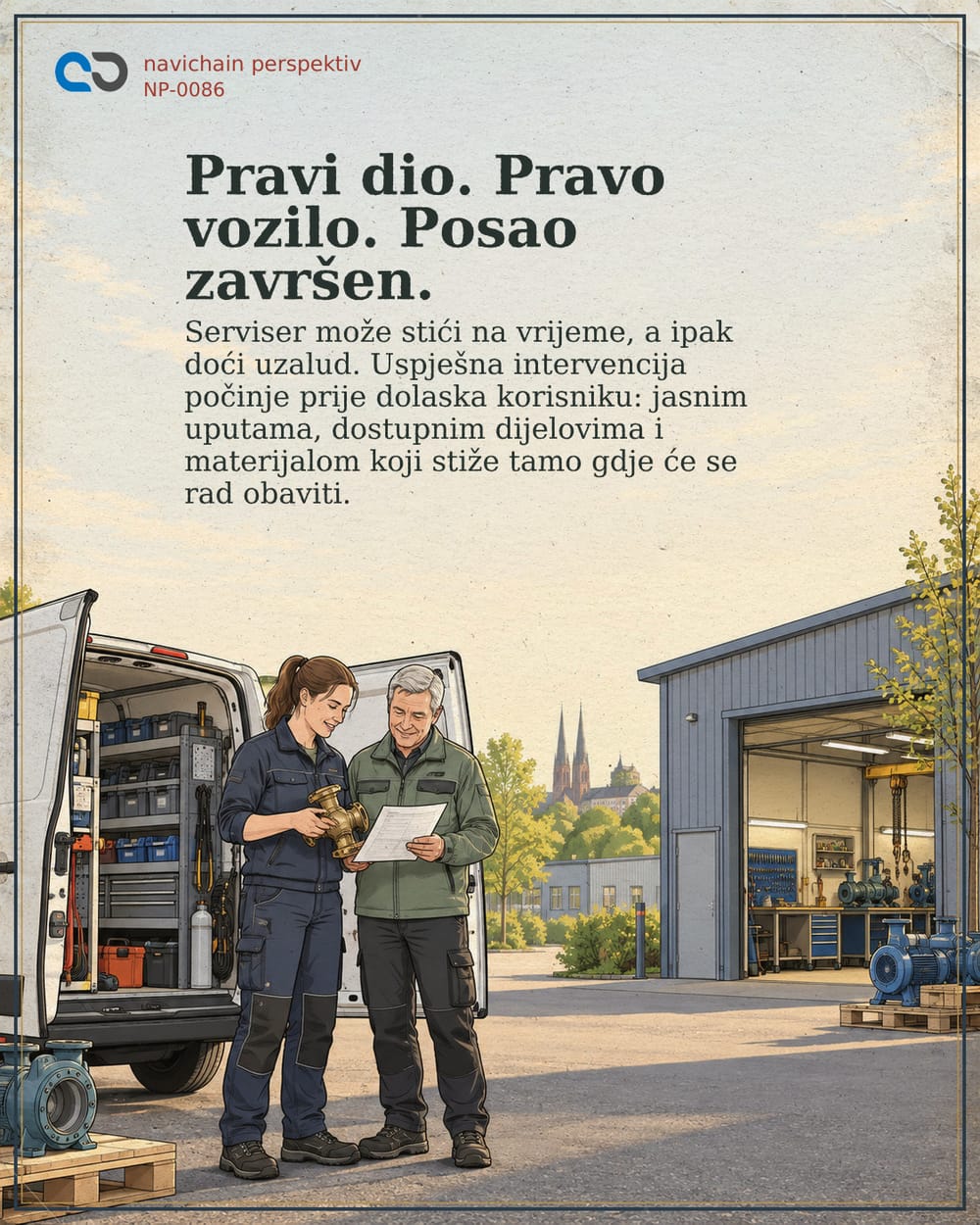
Pravi dio. Pravo vozilo. Posao završen.
Serviser može stići na vrijeme, a ipak doći uzalud. Uspješna intervencija počinje prije dolaska korisniku.

Skladište ne mora biti stalno. Kontrola mora.
Za deset tjedana unajmljena hala ponovno će biti prazna. Do tada svaku robu treba zaprimiti, pronaći, dodijeliti i isporučiti.

Sustav klijenta vodi njegov prijevoz. Tko vodi cijeli dan prijevoznika?
Klijent može imati odličan portal, a prijevoznik i dalje trebati vlastiti alat za upravljanje poslovanjem. Portal prikazuje narudžbe jednoga naručitelja.

Sustav kupca vodi teret. Tko vodi vaš posao?
Kako prijevoznik može izgraditi vlastiti operativni pregled kroz više sustava kupaca, bez zamjene onoga što već dobro radi.

Notifications your customers want (and the ones they mute)
Four events earn a message: booked, collected, delivered, problem. Everything else trains the customer to ignore you — including the one that mattered.

Cross-docking or storage? Two warehouse jobs that pretend to be one
Flow-through is measured in hours and touches, custody in days and accuracy. Deciding which job a consignment is — at intake, not at discovery.
The personal data a carrier forgets it holds
Driver cards, GPS traces, dashcam footage, consignee names, a signature on a doorstep. What the GDPR actually asks of a transport operator, with article numbers.
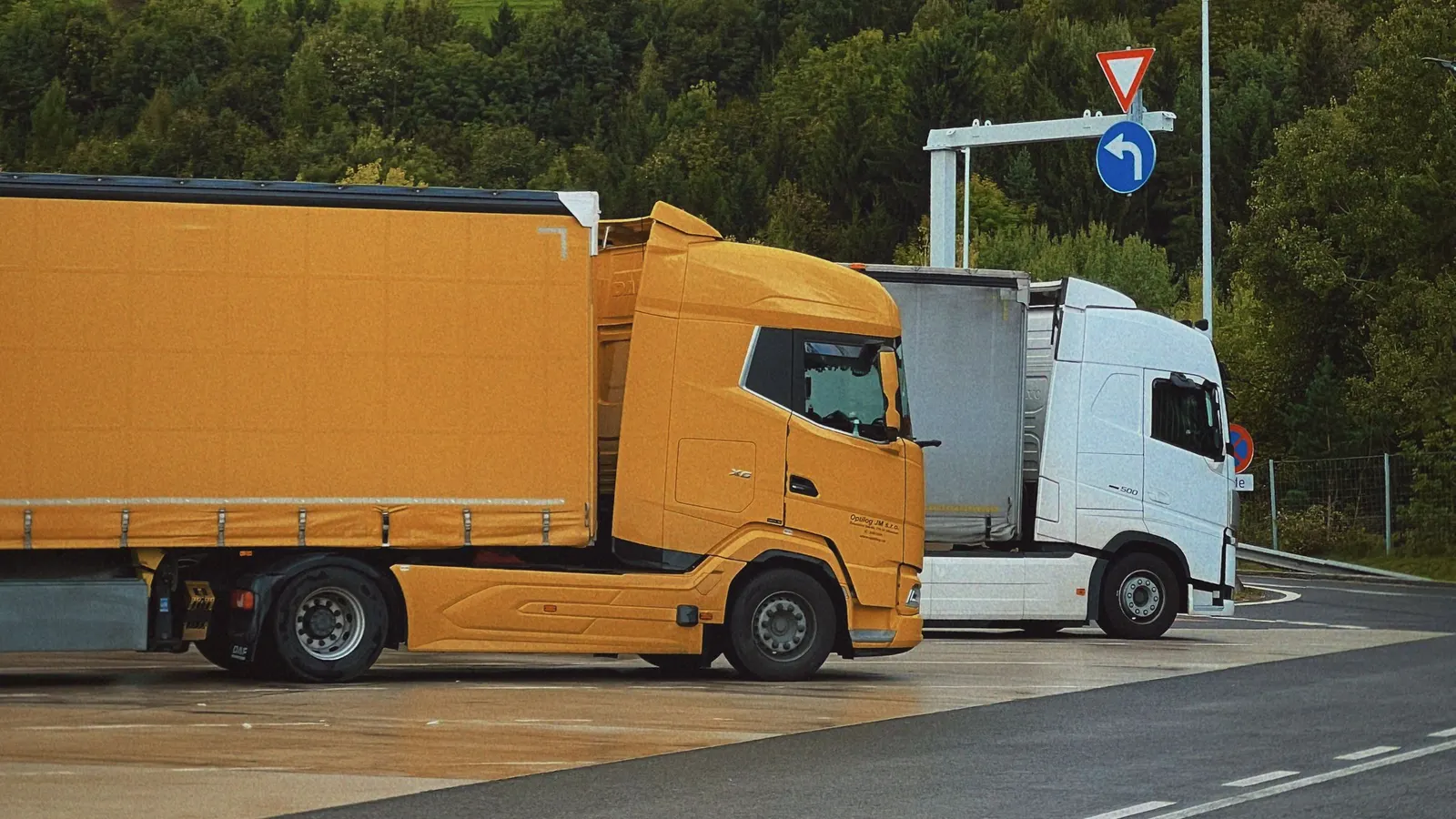
The truck you buy for December stands still in February
A six-week peak does not justify a vehicle you own for ten years. What handing a run to another carrier actually asks of your office, and where it goes wrong.

The dates that ground a truck are not the ones in your service plan
Roadworthiness, tachograph calibration, ADR and driver CPC each run on their own clock, and any of them can park a truck. One register, forward notice, an owner.

Five numbers a small fleet should look at every Monday
Utilisation, empty share, revenue per vehicle-day, DSO and unplanned downtime — why these five, and why adding more dashboards is usually less management.

The damage file you build before anything is damaged
A damage claim is decided by what was recorded at handover. The reservations, photos and weights worth capturing every time, and the clocks that start at delivery.

Drivers' hours are a planning constraint, not a driver problem
Nine hours a day, 56 a week, a 45-minute break after four and a half. The EU limits are arithmetic a dispatcher can do before the truck moves.
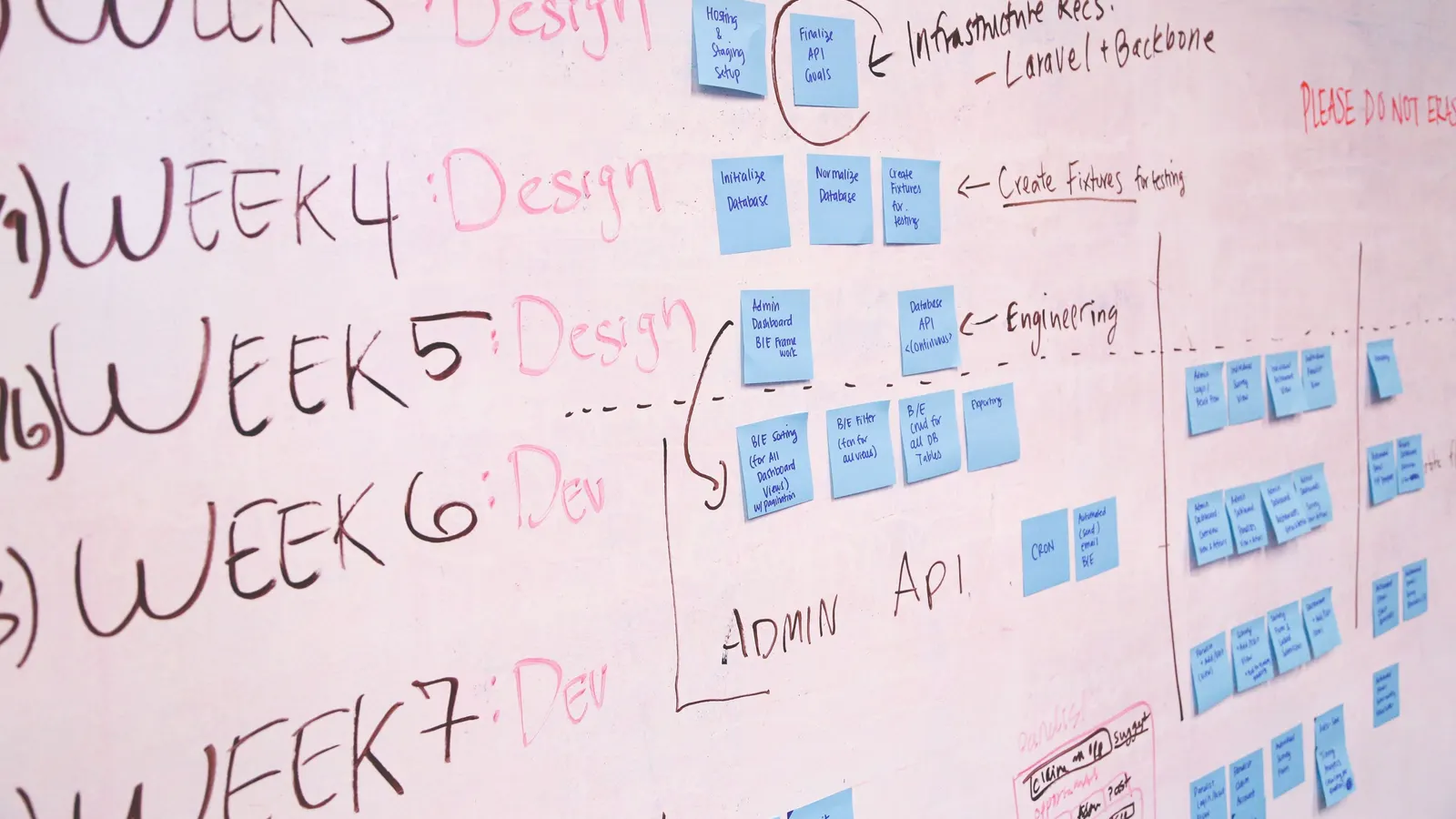
Why TMS implementations fail (and the failure is rarely the software)
Four patterns sink transport software projects: dirty master data, no named owner, a big-bang cutover, and old habits wearing new screens.

API or EDI? Choosing the right pipe for each partner
EDI is an agreement with batch semantics; an API is interactive and cheap to stand up. Which fits which partner, and why most carriers run both.

The first four weeks with a new customer decide whether the account is profitable
Winning the contract is the easy part. The four weeks after it — addresses, price list, booking channel, invoice format — decide what the account actually earns.
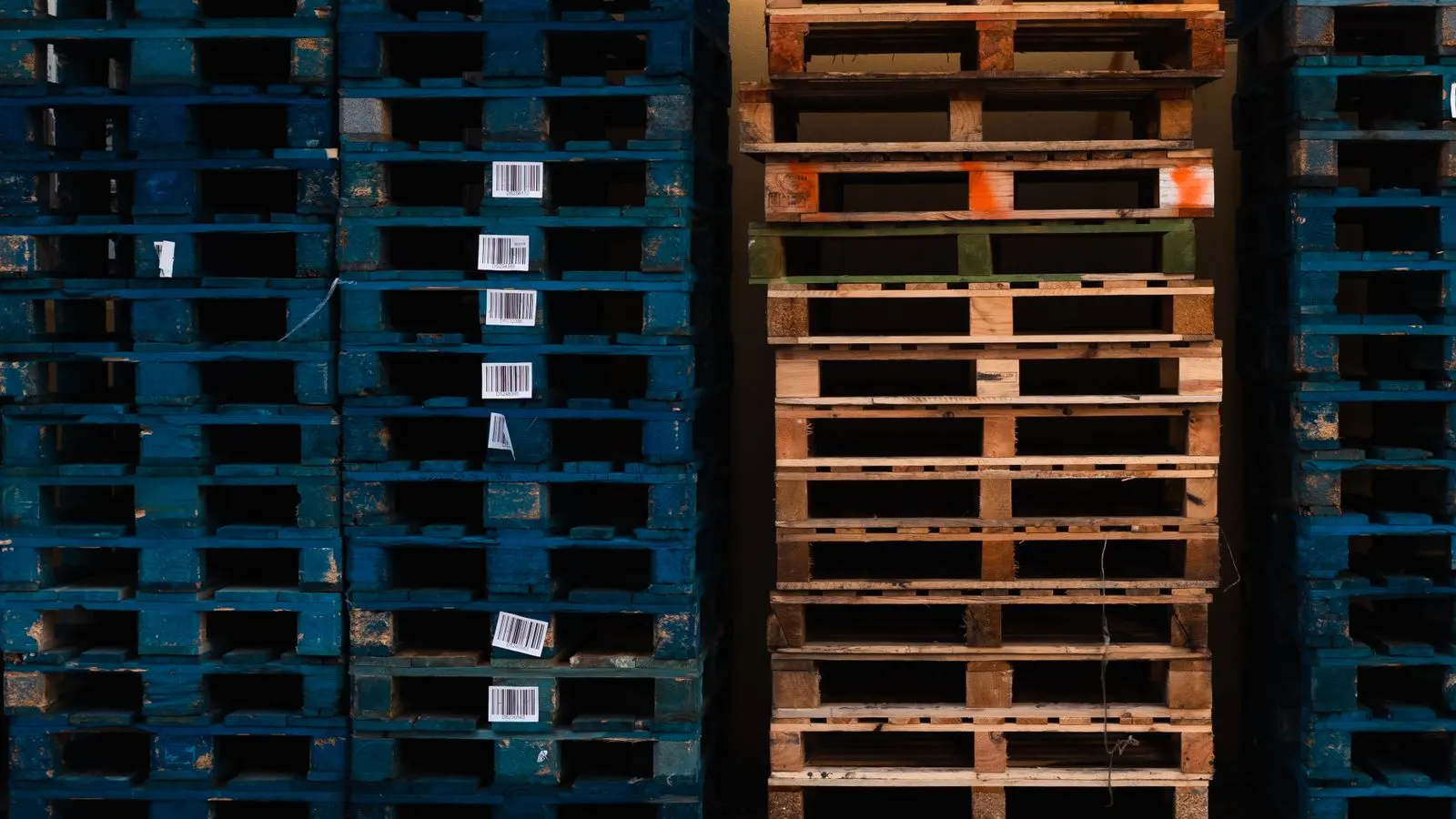
Barcodes in a small warehouse: cheap discipline that compounds
A label printer and a scanner turn a warehouse memory into a lookup anyone can do. What to label, what a barcode should encode, and when to scan it.
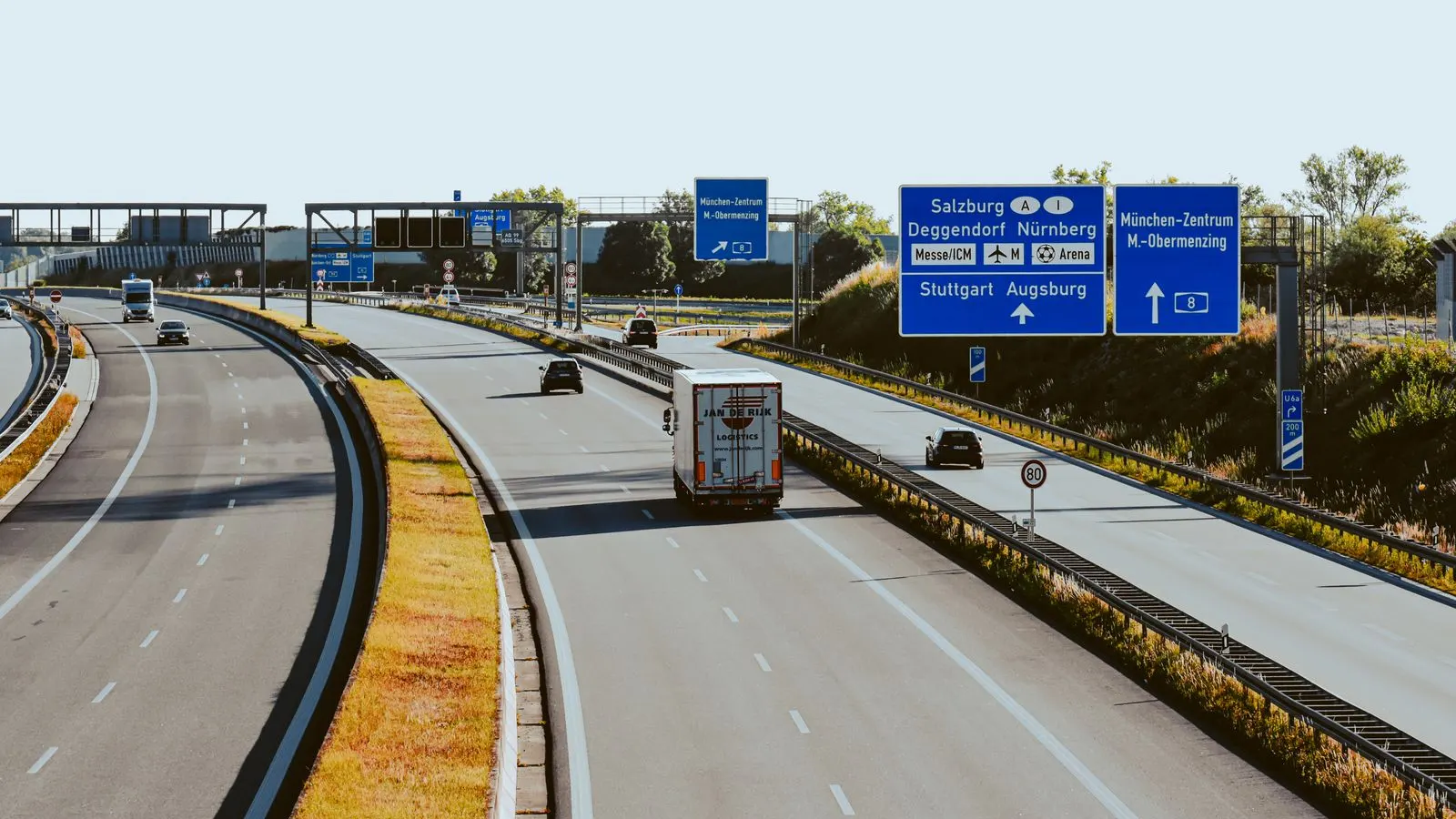
Cabotage in plain language: what the rules actually permit
Three operations in seven days, then four days out. What the EU cabotage rules permit as of August 2026, and what must be produced at a roadside check.

Your trailer fleet is an asset register nobody keeps
Trailers hold real capital and are usually tracked from memory. The four facts worth recording about each one, and how they end the Friday trailer hunt.

Fuel surcharges customers accept
A fuel surcharge survives negotiation when it is indexed to a published diesel price, arithmetically reproducible, and symmetric — it falls when diesel falls.

Multi-stop tours: what your consignment paperwork must not flatten
A tour with three deliveries is three consignments sharing a vehicle. What the CMR Convention keeps separate, and where flattening it into one booking bites.

Stop retyping invoices into your accounting system
The booking already holds the customer, the charges and the VAT. What a TMS-to-accounting integration actually transfers, and where the mapping needs care.
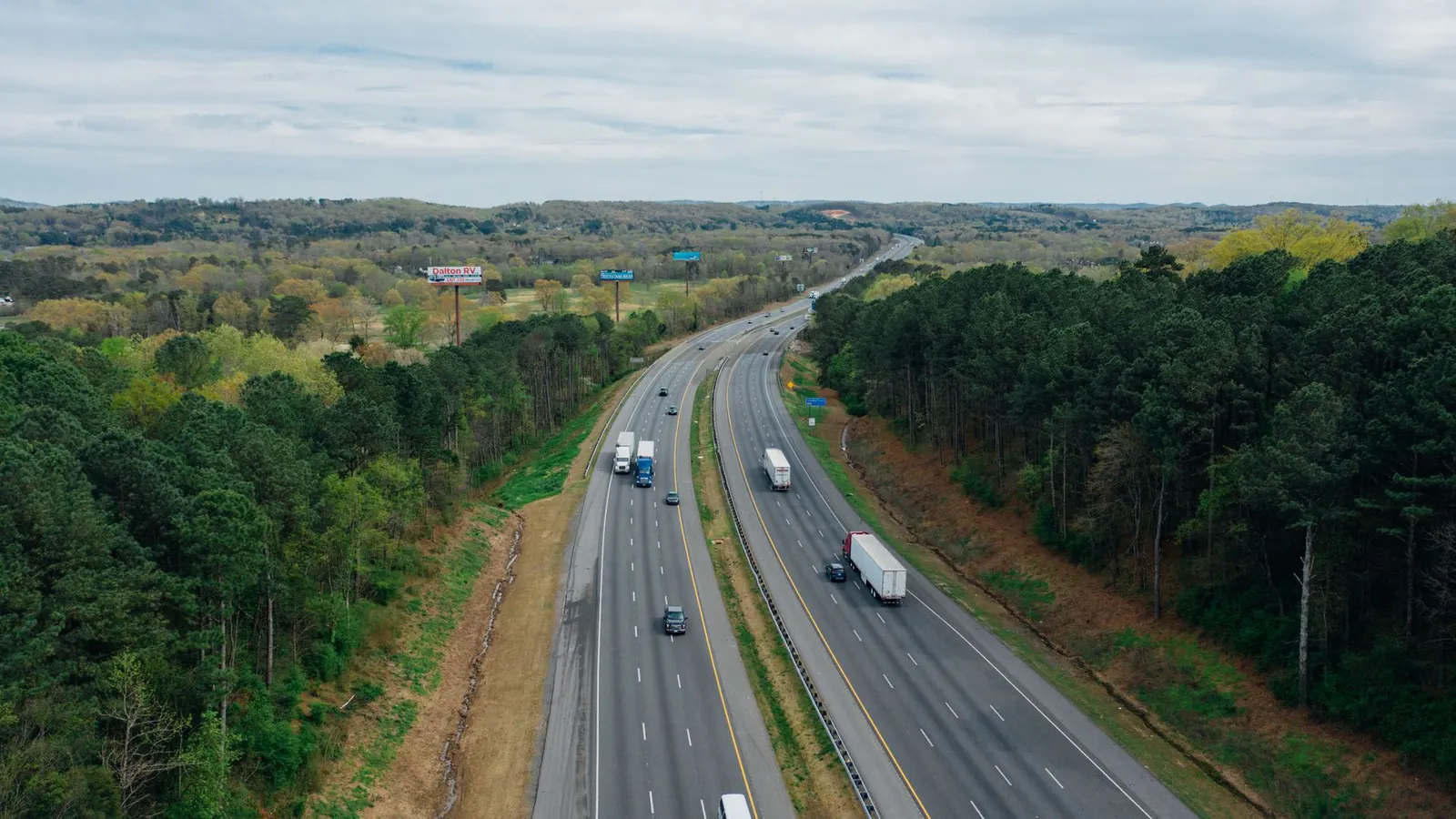
The empty kilometre: why backhauls are a planning problem, not a sales problem
Empty legs get treated as a gap in sales. Most of the fix is visibility — seeing the trailing empty leg at booking time, and knowing what may ride together.

Storing customer goods: the day your terminal became a warehouse
The informal hold these pallets until Thursday arrangement, and what it takes to run it properly: a goods receipt note, a defined clock, and a clean release.

Your customers do not want a tracking link, they want to stop calling you
The where-is-my-shipment call is a symptom, not a nuisance. What a customer portal has to show — bookings, tracking, POD and invoices — to actually stop it.
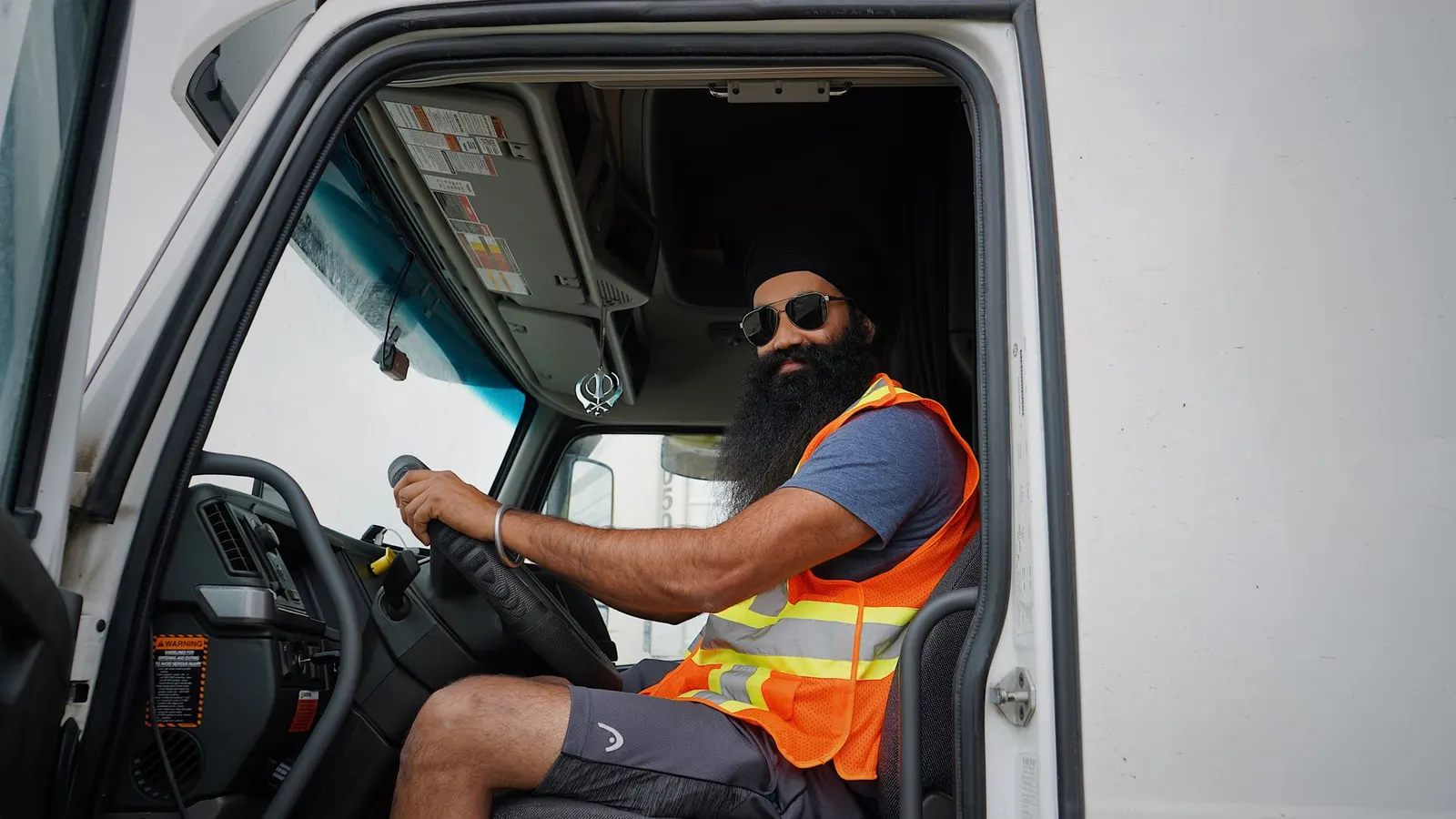
Daily vehicle checks drivers actually do
A walkaround check that takes eight minutes on paper gets ticked from the cab by week three. How to design one that drivers finish honestly.
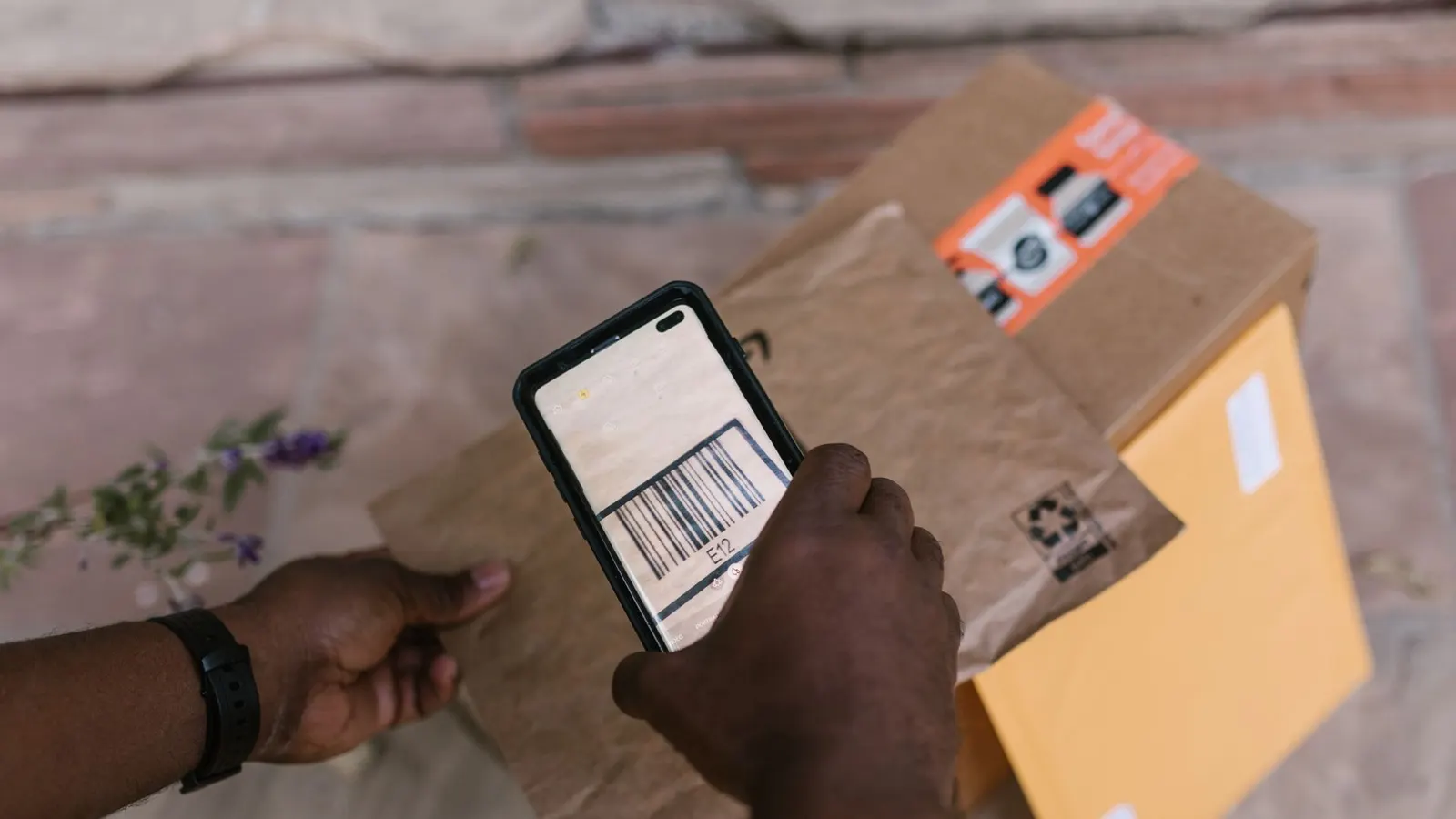
Getting drivers to actually use the app
Driver app adoption is a design constraint, not a training problem: BYOD, one-tap status, no leftover paper, and honest behaviour when coverage fails.

eCMR and eFTI: what actually changes for road carriers on 9 July 2027
The EU eFTI Regulation obliges authorities to accept electronic freight information from July 2027. What that does and does not require of carriers.

Which countries accept eCMR today
The e-CMR Protocol is ratified one country at a time, so a lane is only paper-free when both ends and the transit states have joined. The verified list.
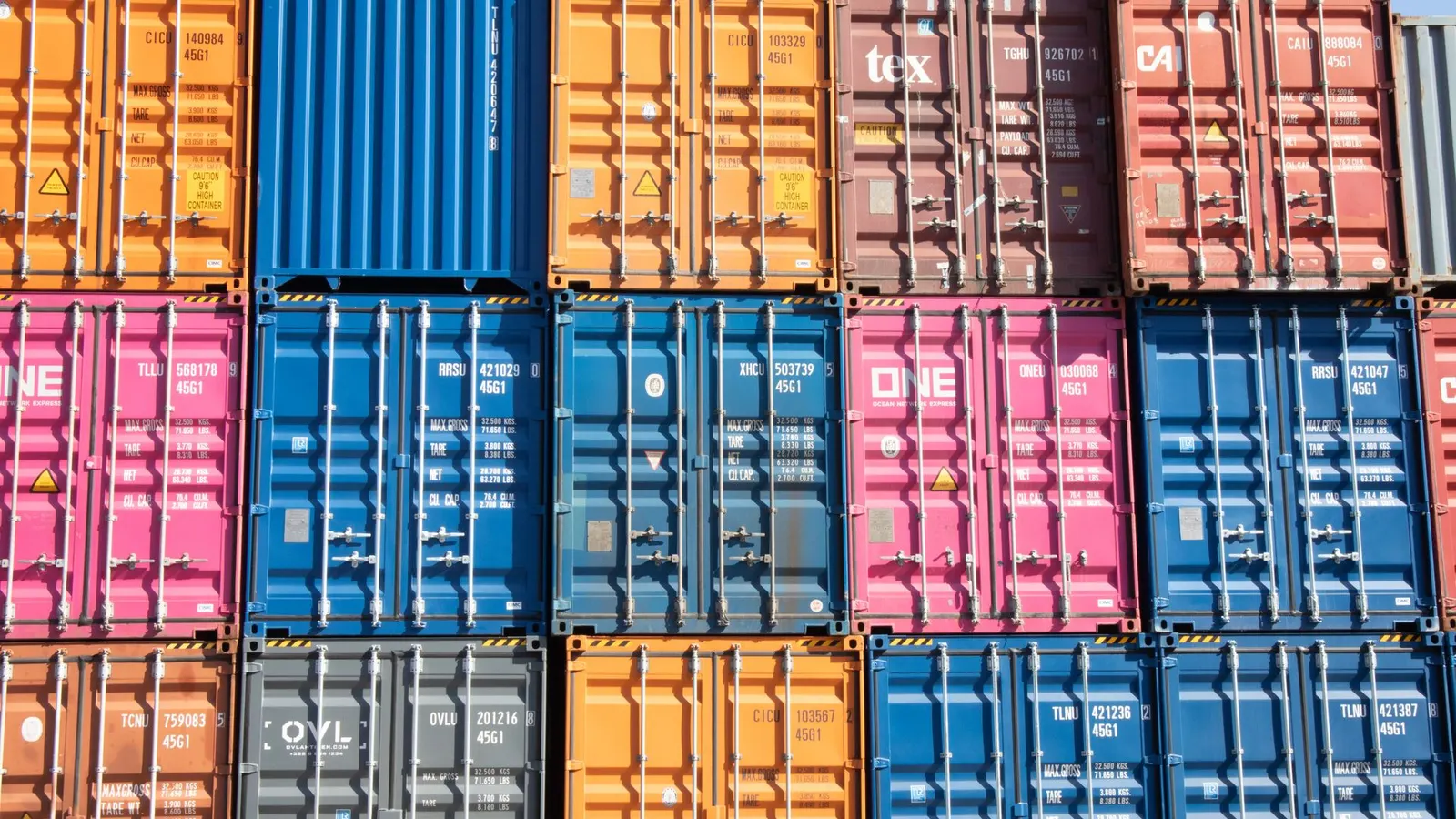
EDI for small carriers: what it is, when it pays, and when it does not
What EDIFACT really involves for a ten-truck operation — the three messages that actually flow, the setup nobody mentions, and where the break-even sits.
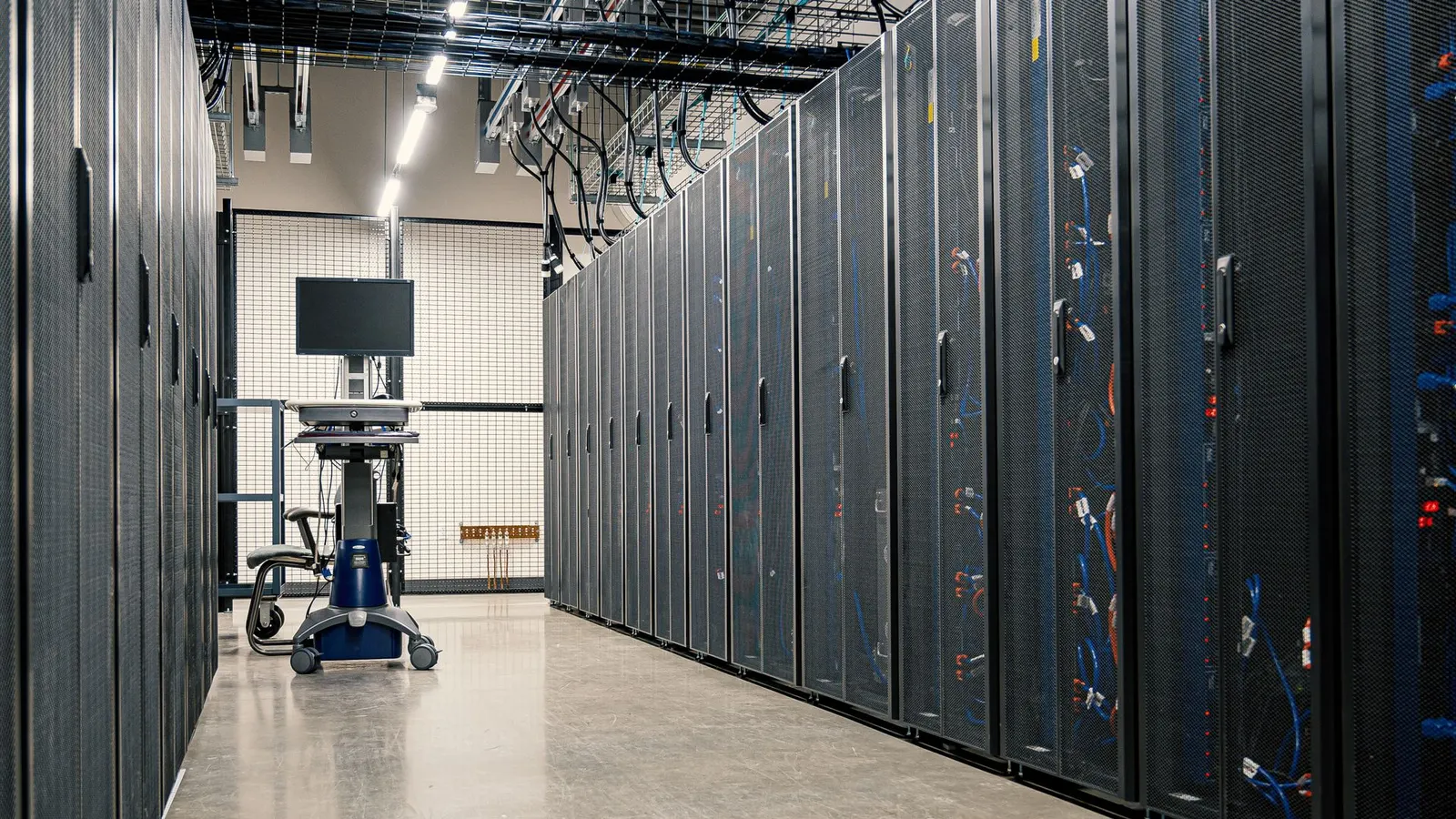
What "EU-hosted" actually means when a customer asks
A plain-language guide for carriers answering a procurement questionnaire: hosting jurisdiction, per-tenant isolation, export rights and what GDPR actually says.
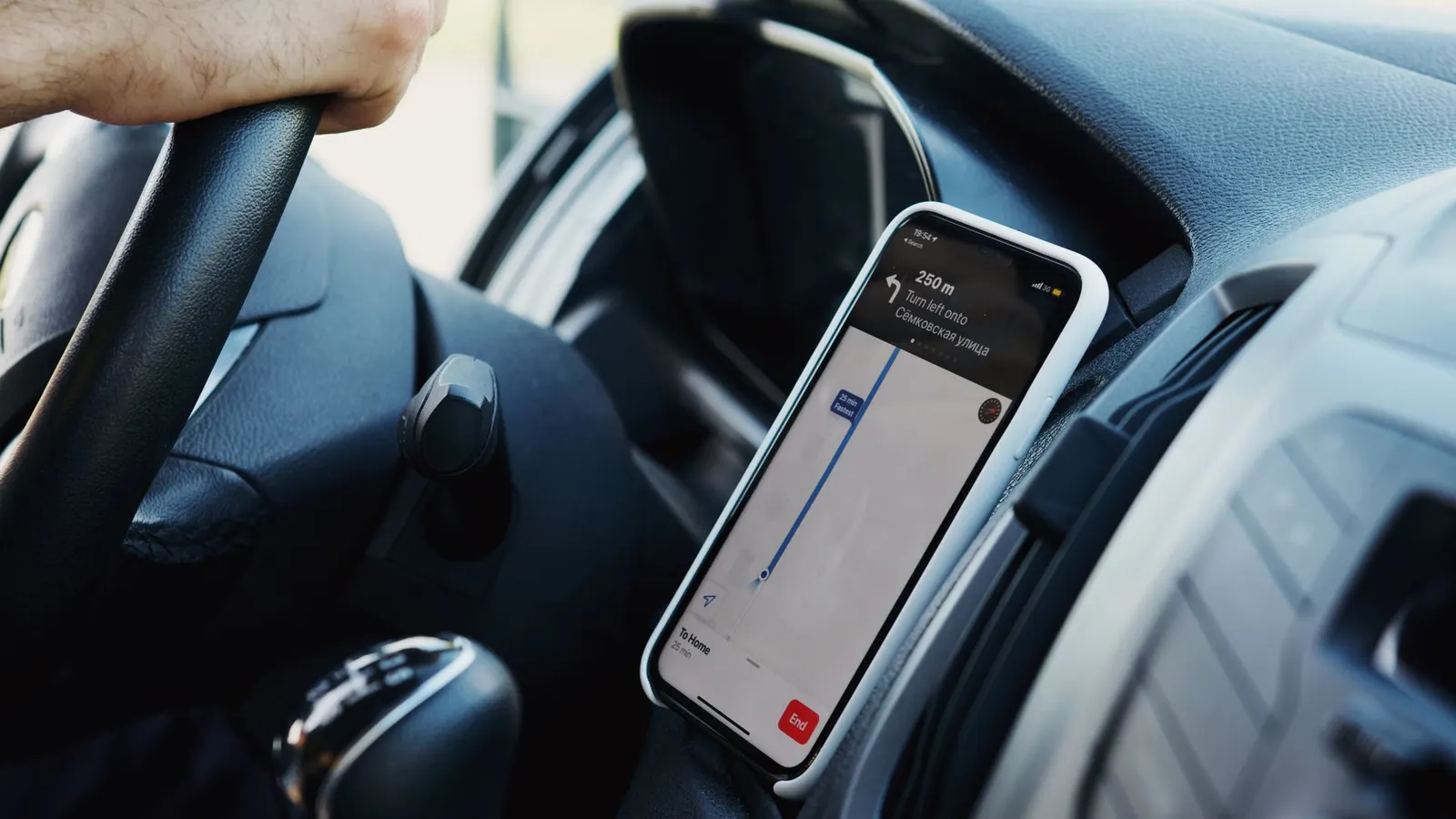
GPS tracking without the second subscription
Three ways a small fleet gets vehicle positions — telematics hardware, a driver phone, or tracking inside the TMS — and what each really costs and answers.

Groupage for small carriers: when consolidation pays and when it costs
Consolidating part-loads lifts revenue per kilometre and multiplies handling, paperwork and claims risk. A break-even way to find where your own line sits.

The honest ETA: why "before lunch" beats "10:23"
A minute-precise ETA is a promise you cannot keep. What an arrival time can honestly say at booking, at dispatch and en route — and how to widen a window well.

How to choose a TMS in 2026: a working checklist for small and mid-size carriers
The questions that actually separate transport management systems — total cost beyond the licence, data exit, integrations and honest pricing models.

Invoice the day you deliver: the shortest lever on cash flow
Payment terms get negotiated hard. The gap between delivery and invoice gets given away for free. Where those days hide, and what closing them requires.
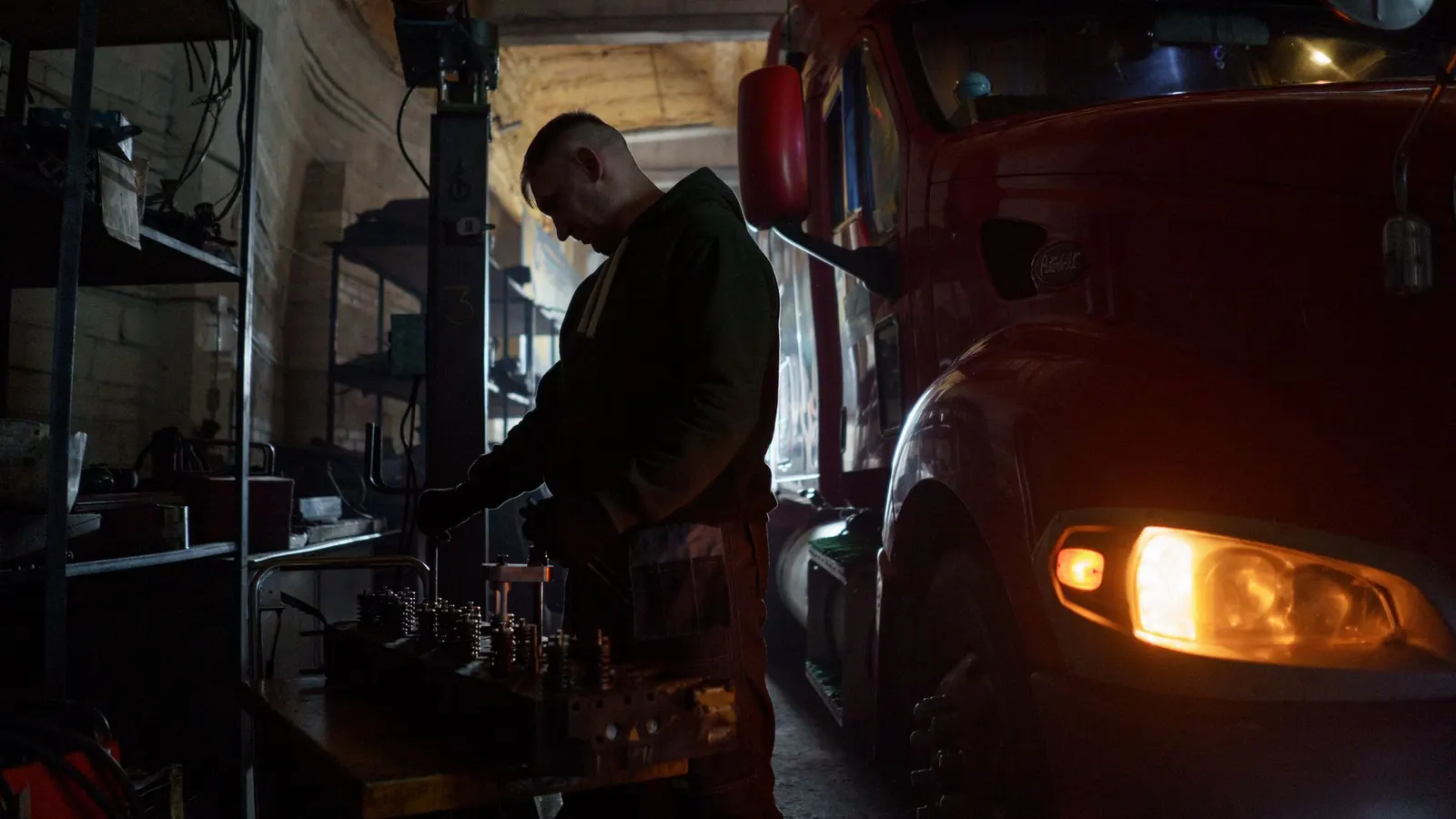
Vehicle downtime is a data problem before it is a workshop problem
Calendar cycles and odometer cycles live in different places, which is why small fleets service on instinct. And what to do with a cycle you cannot judge.

What proof of delivery actually costs you when it arrives on paper
Paper PODs ride in the cab until Friday and the invoice waits for all of it. The arithmetic of the delivered-to-invoiced gap, and how to close it.
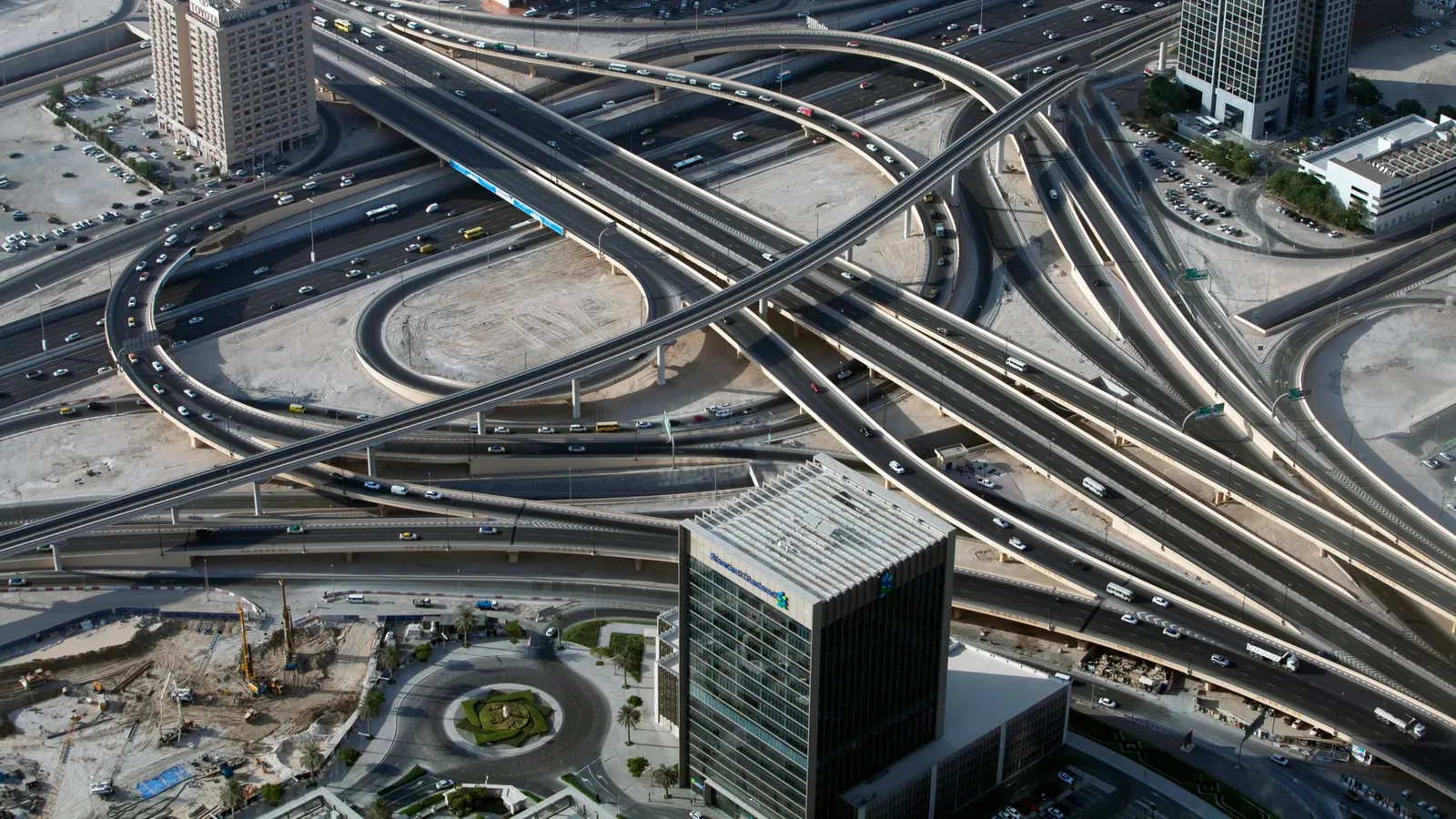
Route planning that survives contact with Tuesday
The first plan is the easy one. What decides a planning tool is the cost of the second — moving a booking, knowing which vehicles are free, telling the customer.

The day the dispatch spreadsheet stops scaling
Excel dispatch works until concurrent edits, no driver link, no history and no customer view cost more than the tool saves. The symptoms that mark the crossover.

Stocktakes without stopping the warehouse
The annual wall-to-wall count freezes the warehouse and is stale by February. How counting a slice at a time against a movement ledger works instead.

Transport and warehouse in one system: what actually breaks when they are separate
Carriers who also store goods usually run a TMS beside a WMS. The gap between them is where custody, billing and customer trust quietly leak.

Truck-aware routing: why car navigation sends lorries under low bridges
A consumer GPS does not know your height, axle weight or ADR load. What truck routing must know about the vehicle, and why bridge strikes are a data problem.

Winter operations in the Nordics: planning for the season, not the forecast
The winter plan is a capacity decision made in October, not a scramble in December: buffer times, tyre readiness and daylight as planning inputs.