Insights
Playbooks, product thinking and the economics of modern logistics.

Stop retyping invoices into your accounting system
The booking already holds the customer, the charges and the VAT. What a TMS-to-accounting integration actually transfers, and where the mapping needs care.
Learn more →
The empty kilometre: why backhauls are a planning problem, not a sales problem
Empty legs get treated as a gap in sales. Most of the fix is visibility — seeing the trailing empty leg at booking time, and knowing what may ride together.

Storing customer goods: the day your terminal became a warehouse
The informal hold these pallets until Thursday arrangement, and what it takes to run it properly: a goods receipt note, a defined clock, and a clean release.

Your customers do not want a tracking link, they want to stop calling you
The where-is-my-shipment call is a symptom, not a nuisance. What a customer portal has to show — bookings, tracking, POD and invoices — to actually stop it.

Daily vehicle checks drivers actually do
A walkaround check that takes eight minutes on paper gets ticked from the cab by week three. How to design one that drivers finish honestly.

Getting drivers to actually use the app
Driver app adoption is a design constraint, not a training problem: BYOD, one-tap status, no leftover paper, and honest behaviour when coverage fails.

eCMR and eFTI: what actually changes for road carriers on 9 July 2027
The EU eFTI Regulation obliges authorities to accept electronic freight information from July 2027. What that does and does not require of carriers.

Which countries accept eCMR today
The e-CMR Protocol is ratified one country at a time, so a lane is only paper-free when both ends and the transit states have joined. The verified list.

EDI for small carriers: what it is, when it pays, and when it does not
What EDIFACT really involves for a ten-truck operation — the three messages that actually flow, the setup nobody mentions, and where the break-even sits.
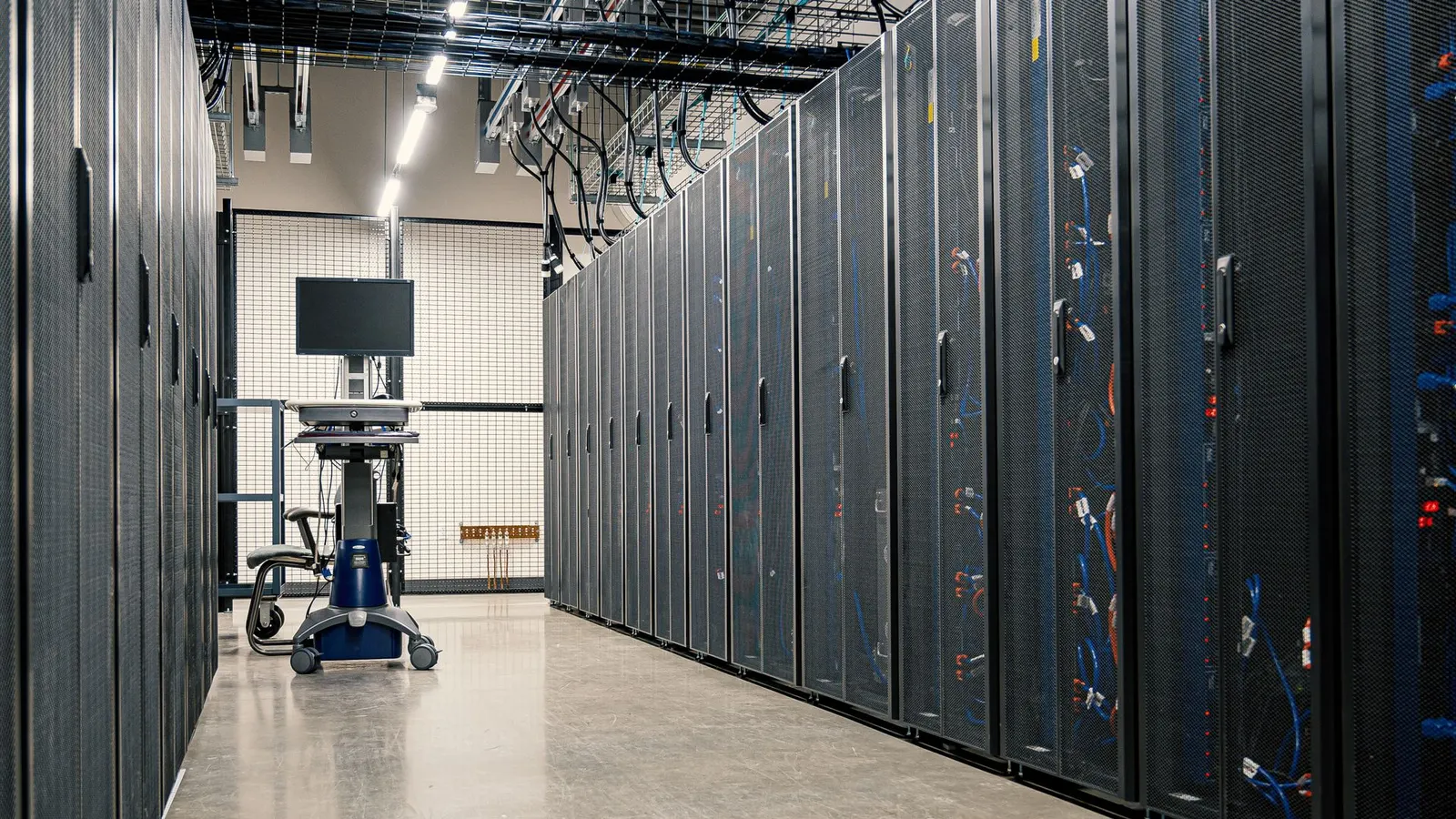
What "EU-hosted" actually means when a customer asks
A plain-language guide for carriers answering a procurement questionnaire: hosting jurisdiction, per-tenant isolation, export rights and what GDPR actually says.

GPS tracking without the second subscription
Three ways a small fleet gets vehicle positions — telematics hardware, a driver phone, or tracking inside the TMS — and what each really costs and answers.

Groupage for small carriers: when consolidation pays and when it costs
Consolidating part-loads lifts revenue per kilometre and multiplies handling, paperwork and claims risk. A break-even way to find where your own line sits.

The honest ETA: why "before lunch" beats "10:23"
A minute-precise ETA is a promise you cannot keep. What an arrival time can honestly say at booking, at dispatch and en route — and how to widen a window well.

How to choose a TMS in 2026: a working checklist for small and mid-size carriers
The questions that actually separate transport management systems — total cost beyond the licence, data exit, integrations and honest pricing models.

Invoice the day you deliver: the shortest lever on cash flow
Payment terms get negotiated hard. The gap between delivery and invoice gets given away for free. Where those days hide, and what closing them requires.

Vehicle downtime is a data problem before it is a workshop problem
Calendar cycles and odometer cycles live in different places, which is why small fleets service on instinct. And what to do with a cycle you cannot judge.

What proof of delivery actually costs you when it arrives on paper
Paper PODs ride in the cab until Friday and the invoice waits for all of it. The arithmetic of the delivered-to-invoiced gap, and how to close it.

Route planning that survives contact with Tuesday
The first plan is the easy one. What decides a planning tool is the cost of the second — moving a booking, knowing which vehicles are free, telling the customer.

The day the dispatch spreadsheet stops scaling
Excel dispatch works until concurrent edits, no driver link, no history and no customer view cost more than the tool saves. The symptoms that mark the crossover.

Stocktakes without stopping the warehouse
The annual wall-to-wall count freezes the warehouse and is stale by February. How counting a slice at a time against a movement ledger works instead.

Transport and warehouse in one system: what actually breaks when they are separate
Carriers who also store goods usually run a TMS beside a WMS. The gap between them is where custody, billing and customer trust quietly leak.

Truck-aware routing: why car navigation sends lorries under low bridges
A consumer GPS does not know your height, axle weight or ADR load. What truck routing must know about the vehicle, and why bridge strikes are a data problem.

Winter operations in the Nordics: planning for the season, not the forecast
The winter plan is a capacity decision made in October, not a scramble in December: buffer times, tyre readiness and daylight as planning inputs.