The digital consignment note: "2026-02-03"
🇬🇧 Read this article in English
Summary
Summary:
This report explores how small and medium-sized haulage companies can use e-CMR and eFTI regulations to radically improve both efficiency and customer satisfaction. By implementing a unified digital platform, companies can streamline their workflows, reduce manual administration, and minimize the risk of errors. This leads to faster deliveries, better traceability, and increased transparency for customers. With e-CMR and integrated data, resources can be optimized, which in turn lowers costs. The result is a more competitive business that offers a better customer experience and increases customer loyalty. By investing in the right technology, small and medium-sized companies can compete on equal terms and strengthen their market position.
The EU's eFTI regulation is approaching with great strides. For small and medium-sized haulage companies, a strategic e-CMR implementation represents a significant opportunity to streamline operations and increase customer satisfaction. This white paper describes a framework for transforming e-CMR usage into a catalyst for a unified, efficient, and customer-centric business.
*The Digital Mandate: "2026-02-03"
With the EU's eFTI regulation requiring approval of digital freight data from 2025, it is important to adopt standards such as e-CMR. For small and medium-sized haulage companies, this transition represents a significant opportunity to increase operational efficiency, reduce costs, and, most importantly, improve the customer experience. A single paper waybill can cost over €20 in administrative costs, affecting profitability and customer service. Viewing this change as merely a compliance exercise is a missed opportunity. This white paper presents a strategic framework for data integration. It transforms e-CMR usage, not as a burdensome IT project, but as the ultimate catalyst to unify your entire business – from transport and storage to invoicing – on a single platform designed to drive efficiency and customer loyalty.
The Pursuit of Excellence: Why "Keeping Up" Is No Longer Enough
Image 1: For decades, the European haulage sector has been driven by paper.
For decades, the European haulage sector has been driven by paper. The waybill, proof of delivery (POD), invoice – these artifacts are the familiar, tangible proofs of a job well done. But this dependence on paper is increasingly outdated with customers' expectations and the demands of a competitive market. Small and medium-sized enterprises (SMEs) in the logistics sector feel this acutely. You face a daily battle against thin margins, intense competition, and increasing operational complexity. Now, new customer and regulatory requirements, exemplified by the electronic waybill (e-CMR), add to the pressure. The problem, as many logistics managers note, is that it is hard to "keep up." But this perspective misses the real potential. The challenge is not just to use e-CMR, but the way in which most SMEs are forced to use it – through fragmented, bolt-on solutions – fails to unlock the real benefits: increased operational efficiency and enhanced customer satisfaction. This gap will soon be exposed. The EU's eFTI regulation (Electronic Freight Transport Information), which will come into full force in the coming years, will require all relevant authorities in member states to accept freight data in a digital format. The question is no longer if your business will go digital, but how you will manage the integrated data flows to maximize efficiency and deliver a superior customer experience. This white paper argues that the e-CMR challenge is not just a compliance issue. It is an opportunity for data integration. Seeing it as such reveals a powerful strategic path: using this mandatory change as a catalyst to build a unified business that permanently lowers costs, improves service, and builds a resilient foundation for growth.
The Efficiency Gap: Why Is This So Hard for Small and Medium-Sized Companies?
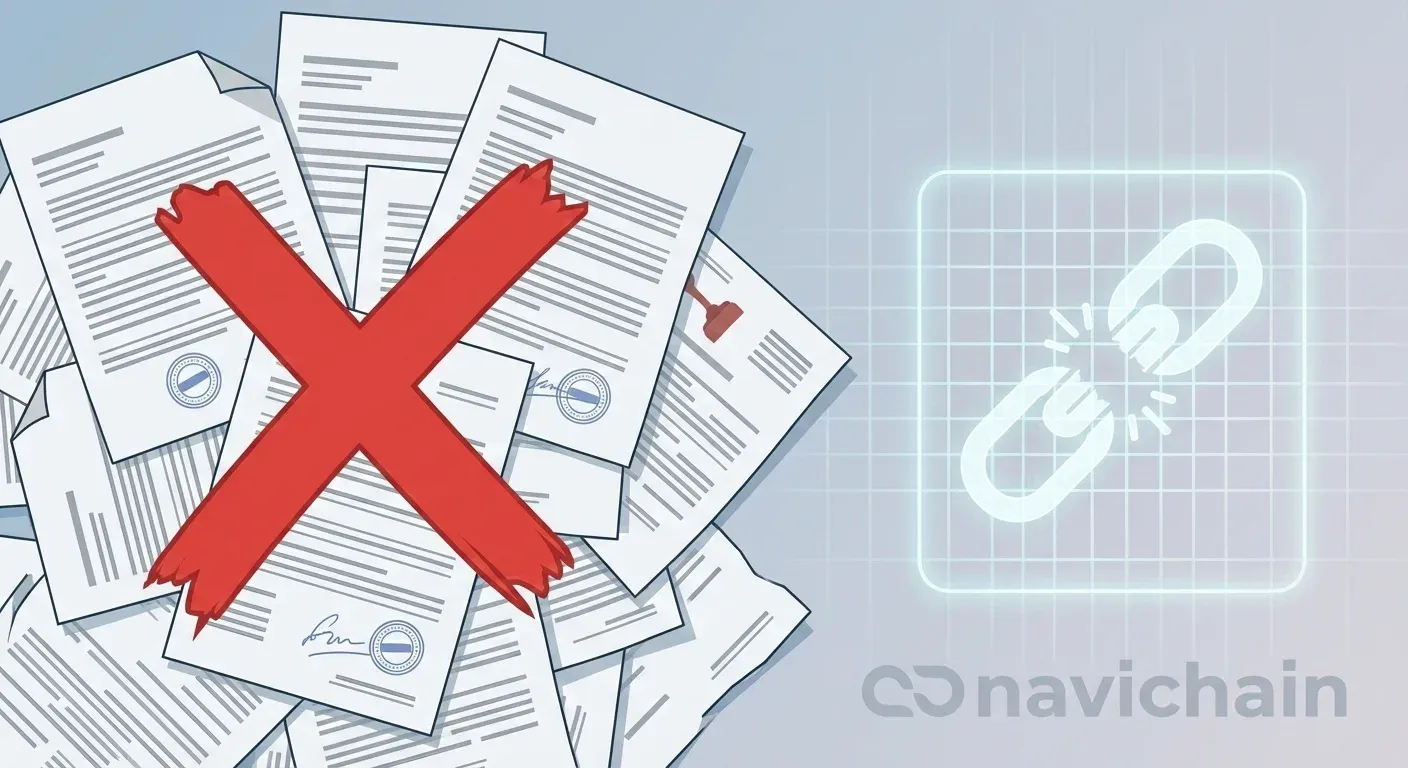
Fragmented systems and paper-based processes hinder small and medium-sized companies' ability to effectively manage the transition to digital freight handling, impacting customer service and profitability.
If e-CMR promises lower administrative costs, faster invoicing, fewer errors and improved customer visibility, why hasn't it been universally adopted? The answer lies not in the technology itself, but in the fragmented technological landscape of the average small and medium-sized haulage company.
The Anatomy of a Fragmented Business
Consider the typical data flow for a single shipment in a non-integrated environment: 1. Order Entry: An order comes via email and is manually entered into a standalone Transport Management System (TMS) or, just as often, an Excel spreadsheet. 2. Planning: The planner assigns the load to a driver, often communicating via phone or a separate app. 3. Execution: The driver picks up the load and receives a paper waybill. Upon delivery, this bill is signed, and the driver must physically transport it back to the office (or take a photo and email it). 4. Invoicing: Days or weeks later, the office receives the paper POD, manually verifies it against the order in the TMS, and then manually creates an invoice in a separate accounting system. Now, insert "e-CMR" into this process. The typical "solution" is to purchase a standalone e-CMR app for the driver. This app captures the signature digitally. But what happens next? This new digital file becomes just another silo. E-CMR data does not automatically flow into the TMS to mark the job as completed. It does not automatically trigger the invoice in the invoicing system or update the customer with delivery confirmation. An employee must still manually download the digital POD from the e-CMR portal and upload it or enter the data into the other systems. The "digital" solution has failed to solve the core problem: manual data re-entry and process friction. It has simply moved the paperwork from a physical desk to a digital one. This added cost directly impacts the ability to provide customers with up-to-date updates, damaging satisfaction.
The Three Core Barriers
This fragmentation creates three specific barriers that prevent small and medium-sized companies from realizing the full potential of e-CMR: 1. Prohibitive Integration Costs: Connecting these disparate systems (a 10-year-old TMS, a cloud accounting package, a new e-CMR app) requires custom-built APIs. This is the domain of expensive consultants and lengthy IT projects, far beyond the budget of most small and medium-sized companies. 2. High Operational Costs: Without seamless integration, the administrative burden remains. You are now paying for a new digital tool and paying for the same (or more) manual work to bridge the data gaps between systems. These costs directly impact profitability. 3. Limited Visibility and Customer Service: With data spread across multiple systems, it becomes a challenge to provide customers with real-time updates about their deliveries. Delays in communication and lack of transparency lead to dissatisfaction and lost business. While Data Sovereignty provides a marginal advantage for some, the primary driver should be increased operational control.
This is the trap: Small and medium-sized companies are forced to choose between falling behind competitors and regulations, or adopting fragmented, expensive "solutions" that actually do not solve the underlying inefficiency and customer service problems. This is a false choice.
The Way Forward: The Unified Data Integration Framework
Image 3: The only viable solution is to stop treating the symptoms (the need for e-CMR) and start curing the disease (data fragmentation).
The only viable solution is to stop treating the symptoms (the need for e-CMR) and start curing the disease (data fragmentation). This requires a shift in thinking, from "buying an app" to "building a data strategy." This framework consists of three strategic pillars:
Pillar 1: Consolidate to a Single Source of Truth
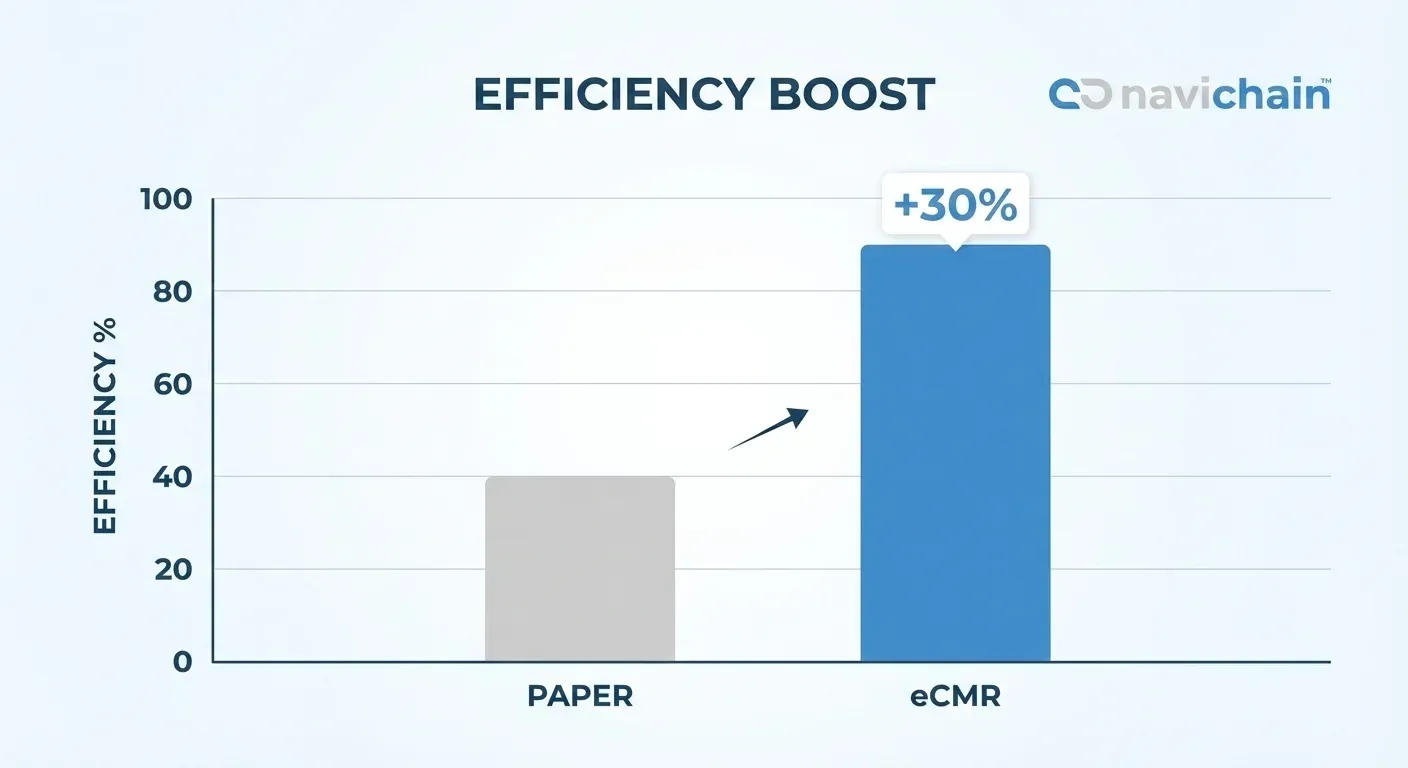
You cannot integrate what you do not control. The first principle is to stop the spread of data silos. Instead of adding yet another standalone tool, the goal must be to migrate core functions to a single, unified platform. What does this mean in practice? It means that your Transport Management (TMS), Warehouse Management (WMS), Asset Management, Order Management, and Billing should not be separate software. They must be modules within a single, unified operating system. When a new order is created, it should exist in one place. When that order is assigned to a truck (Asset Management) and the driver completes the job (TMS), the status update should be immediate. When e-CMR is signed, the digital proof of delivery should be part of the original order file, not a separate attachment. This single event should then automatically trigger the billing module to generate and send the invoice and automatically notify the customer of successful delivery. This "single source of truth" eliminates 90% of manual data entry, administrative costs, and risk of error. It makes information flow seamless and immediate, leading to faster invoicing cycles and improved cash flow.
A unified platform eliminates data silos by integrating core functions such as TMS, WMS, and billing into a single operating system, creating a "single source of truth" and dramatically improving efficiency.
Pillar 2: Prioritize a Secure, Jurisdiction-First Data Architecture
When freight data becomes 100% digital, its value increases. Ensuring its security is paramount. In a fragmented world, your data is spread across multiple cloud providers, with varying security standards and data hosting policies. With the EU's eFTI regulation, you will be sharing this data with partners and authorities. Therefore, the second principle in your data strategy must be a robust and secure data architecture. For a European SME, this means prioritizing a platform that offers secure infrastructure within your own jurisdiction (e.g., Sweden or the EU). This self-hosted or regionally hosted approach ensures uncomplicated GDPR compliance.
Pillar 3: Enhance Customer Satisfaction with Real-Time Visibility
With clean, unified data (Pillar 1), you can enhance the customer experience with real-time visibility and proactive communication. This is where e-CMR transforms from a compliance requirement to a tool for delighting customers.
E-CMR is no longer just a digital POD. It is a real-time data point. It tells exactly when a delivery was made, how long it took, and if there were any exceptions. When combined with all other data in your unified system, you can provide customers with accurate ETAs, delivery confirmations, and proactive updates on any potential delays or issues. By providing a seamless and transparent experience, you can build stronger relationships with your customers and increase loyalty. You have transformed the "cost" of e-CMR compliance into an "engine" for customer satisfaction.
From Diagnosis to Design: The Blueprint for a Resilient Logistics Operating System
Adopting this data integration strategy requires a new type of technology partner. The old model of buying and trying to connect dozens of specialized tools is broken. The future requires a platform built on a different philosophy. Based on our analysis, all resilient logistics operating systems for European SMEs must be built on three core principles.
Principle 1 - Unified Operational Fabric
The platform must function as a "central nervous system" for your entire business. It cannot just be a TMS or a WMS. It must be an integrated, unified system where Transport Management, Warehouse Management, Asset Management, Billing, and Order Management are all built-in components. Data entered into one module must be immediately and accurately available in all others, creating a single, indisputable source of truth. This is the only way to eliminate data silos and automate cross-functional workflows, such as converting a completed e-CMR directly into a customer invoice and a delivery confirmation message to the customer.
Principle 2 - Secure Data Architecture and Control
For European SMEs, true operational resilience requires a secure data environment. The platform must be built on a "security-first" and "jurisdiction-first" principle. This means the ability to operate on secure, self-hosted infrastructure where your operational data is stored and processed under your own region's jurisdiction (e.g., within Sweden/EU). This architecture ensures uncomplicated GDPR compliance.
Principle 3 - Customer-Centric Communication
Finally, the platform must provide the tools to communicate effectively with customers. This requires an integrated communication layer that leverages the unified data (Principle 1) to provide real-time updates, proactive messages, and personalized communication. This is not a complex add-on, but a practical tool that helps you improve customer satisfaction by keeping them informed every step of the way.
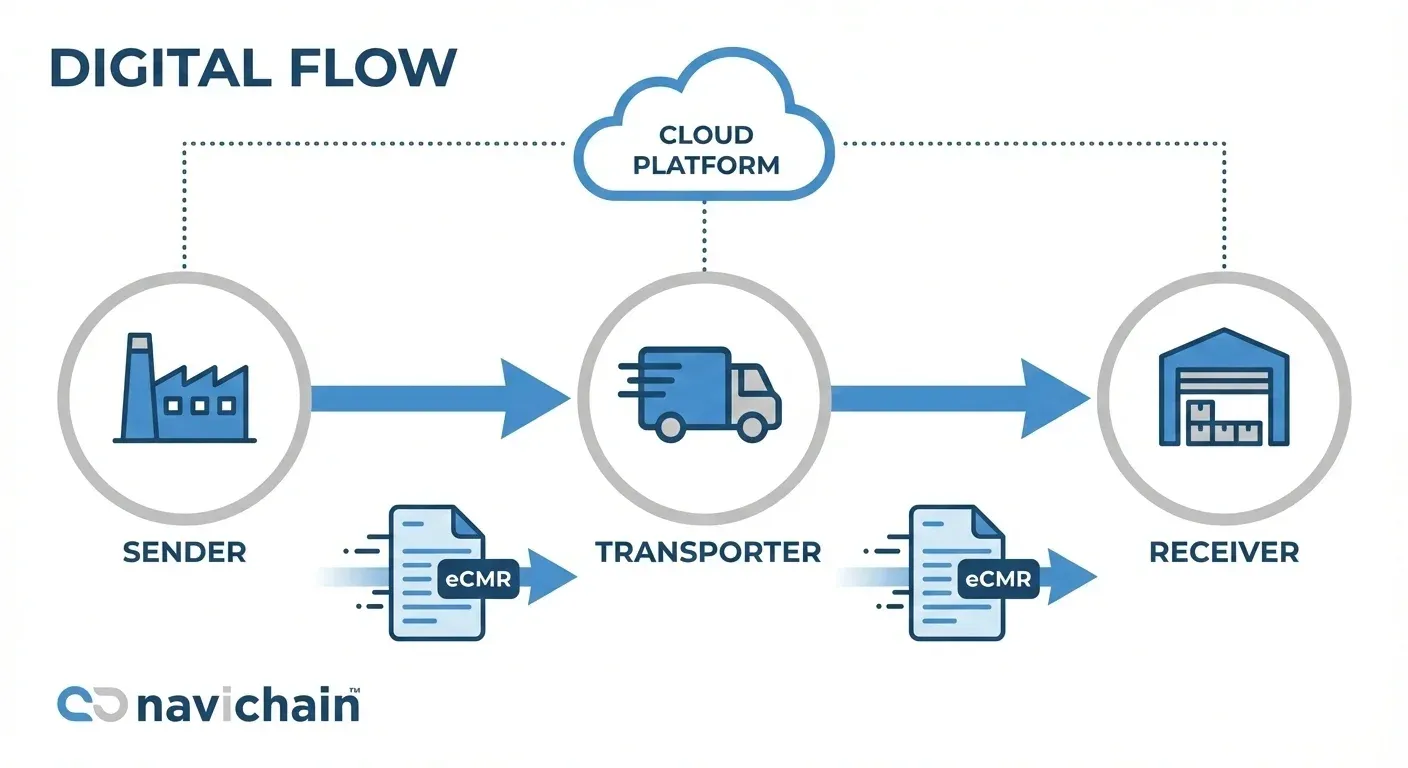
Schematic image of a unified logistics platform with integrated modules for transport, warehousing, assets, billing, and order management, enabling a single source of truth for operational data and improved customer communication.
References/Sources
- International Road Transport Union (IRU). (2024). e-CMR: The Digital Future of Logistics. https://www.iru.org/what-we-do/facilitating-trade-and-transit/e-cmr
- European Commission. (2025). Electronic Freight Transport Information (eFTI). https://transport.ec.europa.eu/transport-themes/intelligent-transport-systems/electronic-freight-transport-information-efti_en
- Ti Insight. (2024). Digital Transformation in the European Road Freight Market. https://ti-insight.com/ (Reports on digitalization barriers and market trends).
- Logistics Gids. (2023). The costs and benefits of the e-CMR. (Analysis on cost savings per shipment). [Note: Specific cost-saving figures are often cited by industry bodies such as IRU and national logistics organizations.]
- Official Journal of the European Union. (2020). Regulation (EU) 2020/1056 on electronic freight transport information (eFTI). https://eur-lex.europa.eu/legal-content/EN/TXT/?uri=CELEX:32020R1056
Image 4: Adopting this data integration strategy requires a new type of technology partner.
Activate the Blueprint: Navichain SaaS Unified Logistics Platform
This white paper has presented a strategic blueprint for small and medium-sized haulage companies to transform the mandatory digital shift from a compliance threat into a deep opportunity to achieve operational excellence and dramatically improve customer satisfaction. The framework is built on three non-negotiable principles: a Unified Operational Fabric, Secure Data Architecture, and Customer-Centric Communications. Navichain SaaS was designed from the ground up to be the engine that drives this blueprint.
- For Principle 1 (Unified Fabric): We provide a single, unified logistics operating system. Our platform is not a collection of separate tools. It is a seamless solution where Transportation Management (TMS), Warehouse Management (WMS), Asset Management, Billing Management, and Order Management work as one. This integrated architecture breaks down the data silos that make e-CMR usage difficult and automates workflows from order to invoice.
- For Principle 2 (Secure Data Architecture): The entire Navichain SaaS platform can be hosted on our secure infrastructure, ensuring that your data stays within your jurisdiction. For our customers, this ensures maximum data security.
- For Principle 3 (Customer-Centric Communications): Our platform allows you to leverage the unified data to provide customers with real-time updates, proactive messages, and personalized communication. This integrated communication layer helps you build stronger relationships with your customers and increase loyalty. Our mission is to democratize logistics technology. We provide an integrated, powerful, and affordable platform that enables small and medium-sized companies to thrive, making the transition to a digital-first business not only possible, but profitable.
Navichain SaaS empowers haulage companies to transform data into actionable insights and enhanced customer experiences, driving efficiency and strategic advantage.
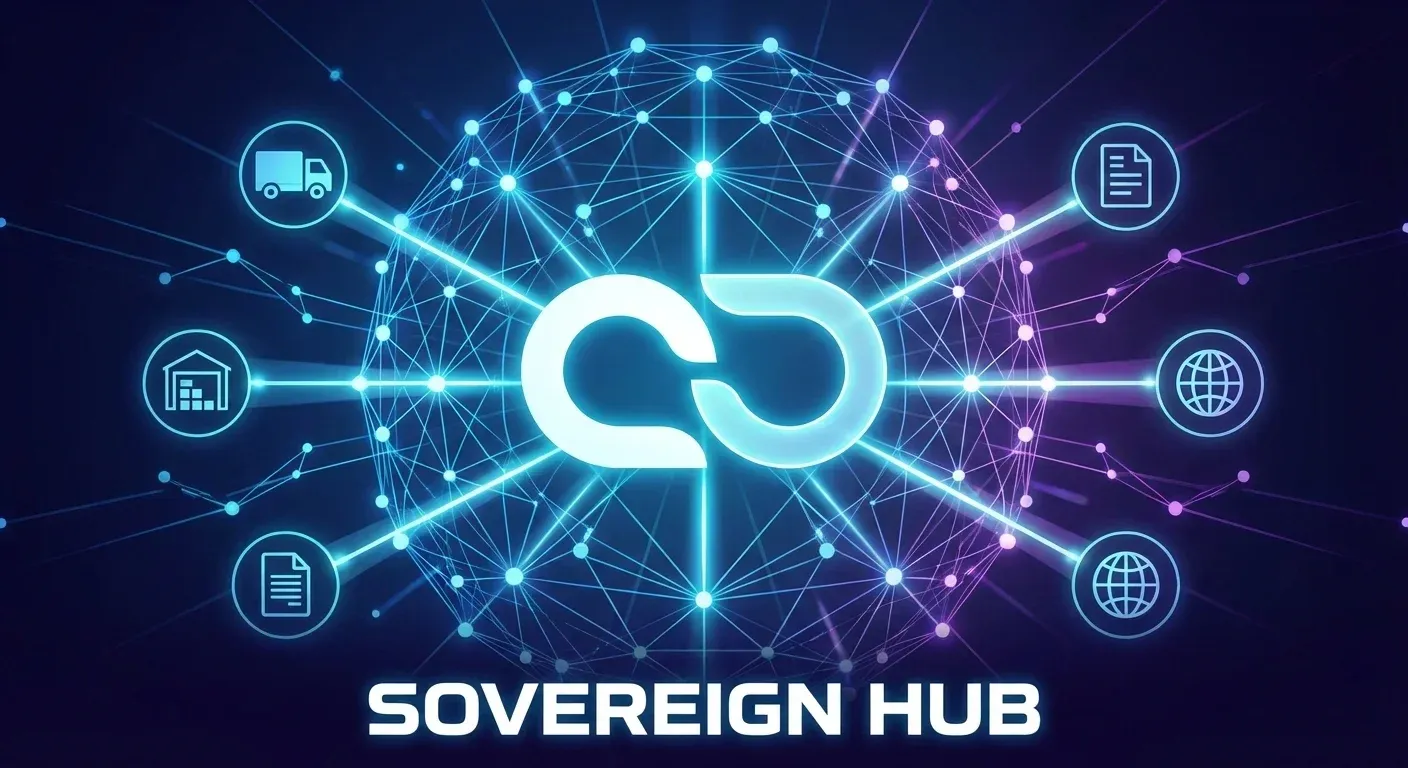
Navichain's integrated platform unlocks powerful opportunities and provides real-time visibility and streamlined workflows directly from your unified logistics data.
Sources
- International Road Transport Union (IRU). (2024). e-CMR: The Digital Future of Logistics.
- European Commission. (2025). Electronic Freight Transport Information (eFTI).
- Ti Insight. (2024). Digital Transformation in the European Road Freight Market.
Ready to optimize your supply chain?
Conclusion
The future of logistics is here, and it is digital, connected, and customer-centric. With Navichain, you can not only meet this future, but also shape it. By embracing digital solutions like e-CMR and eFTI, and by leveraging the power of a unified data platform, small and medium-sized companies can achieve unparalleled efficiency, resilience, and customer satisfaction. We envision a world where every transport is traceable, every decision is data-driven, and every customer is satisfied. Let Navichain be your partner on this journey – together, we build the logistics of the future, today.