Logistik

82 articles
Logistik

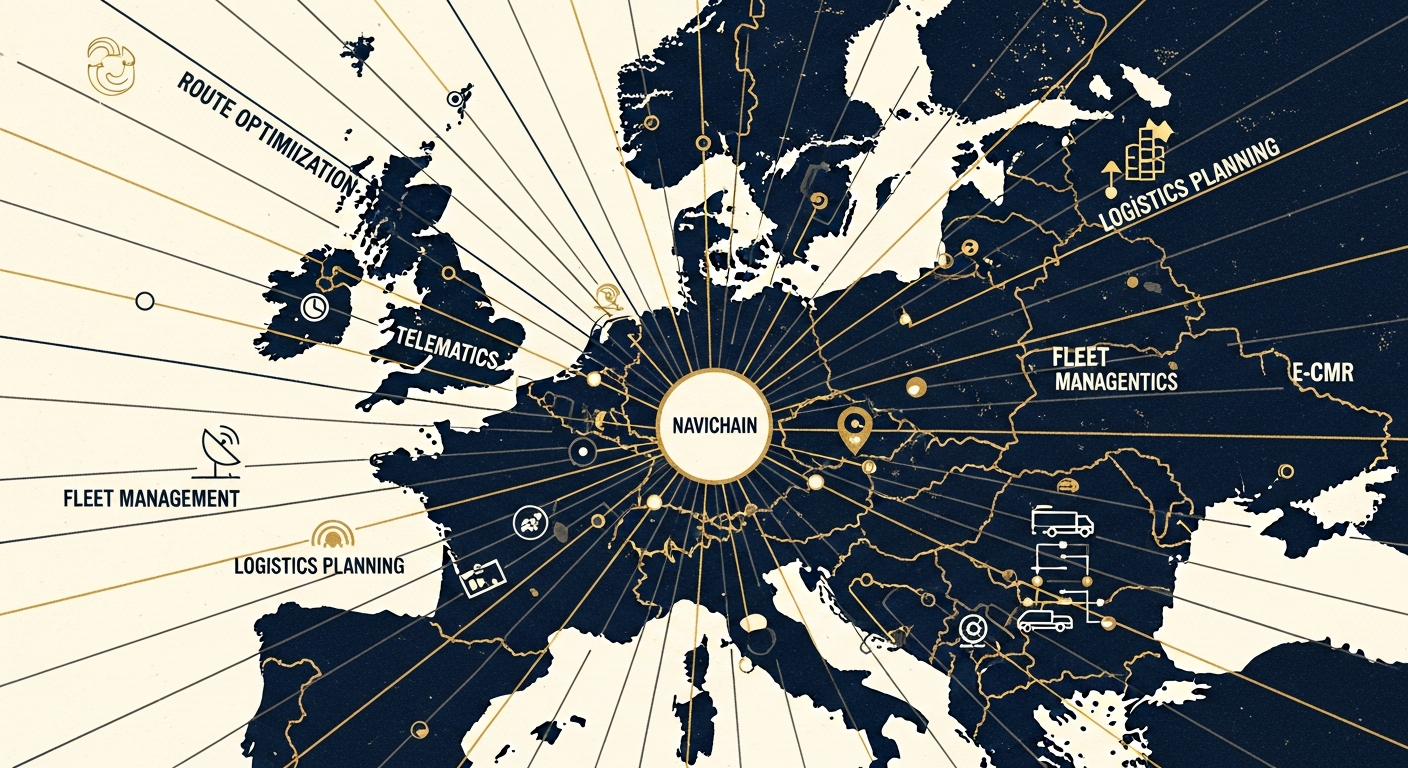
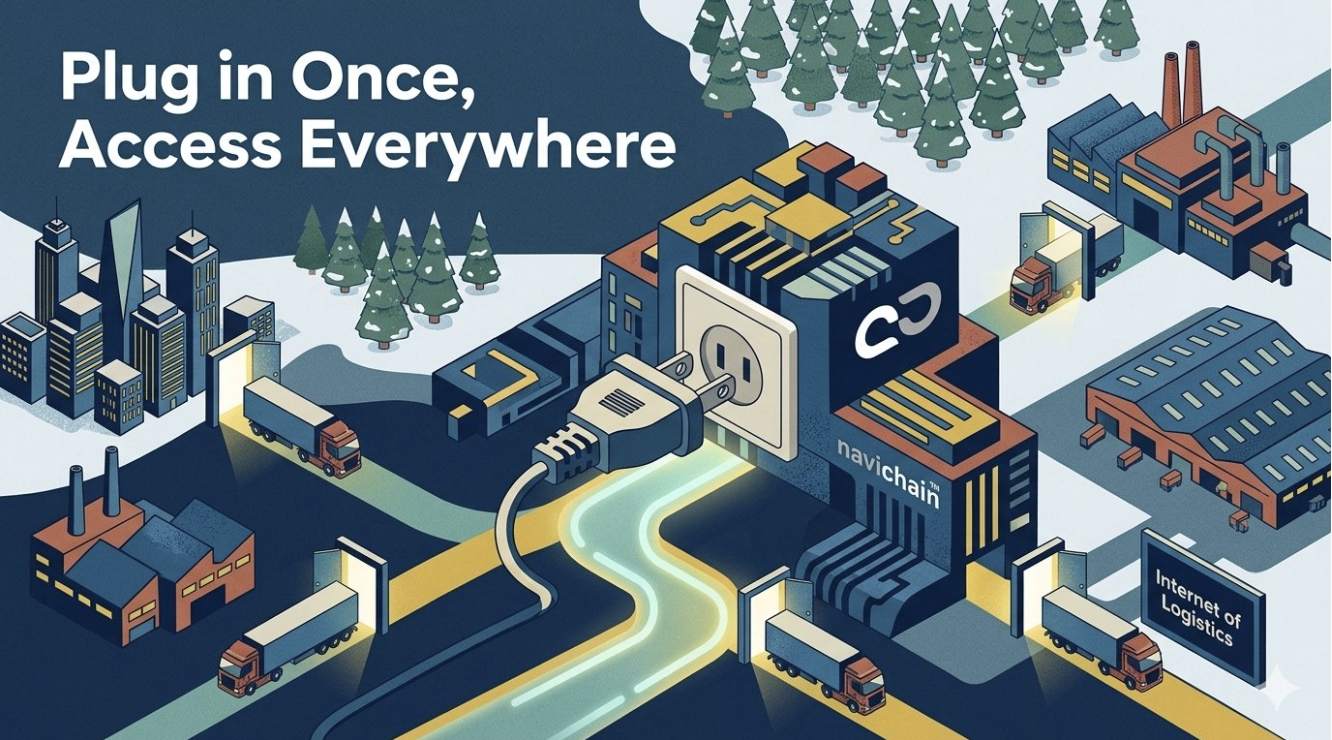
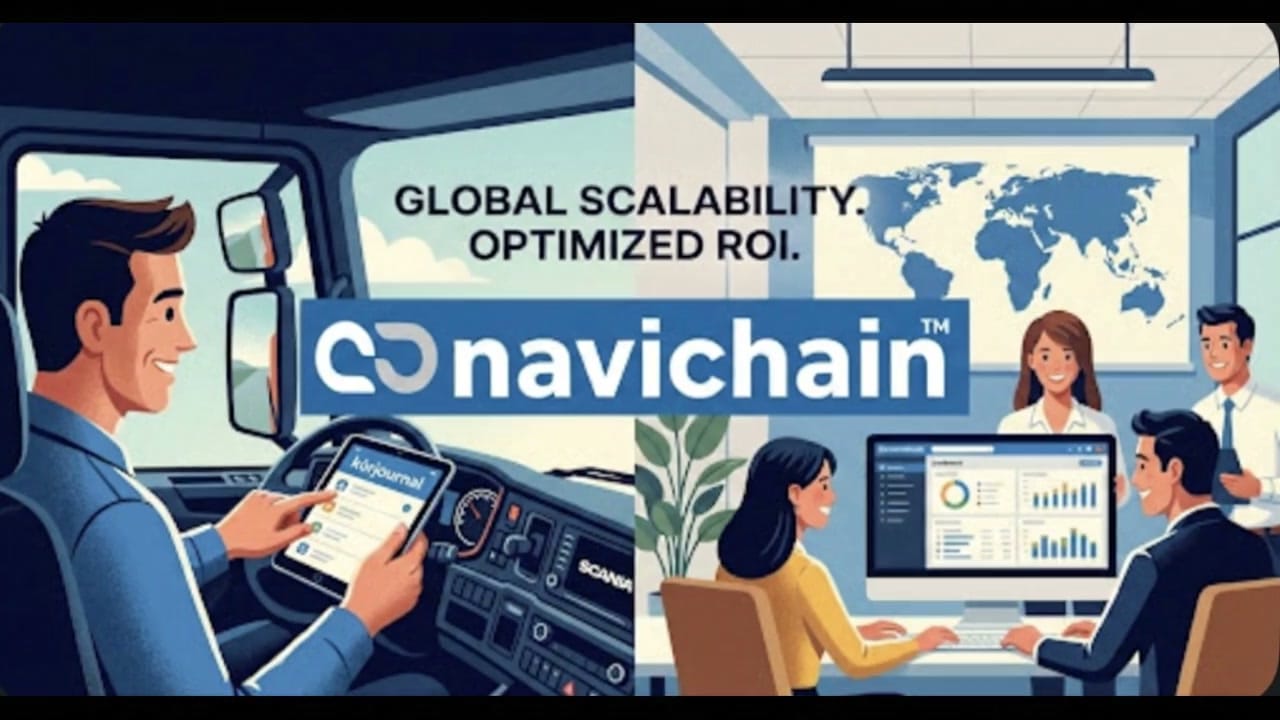
Navichain is a cloud-based Transport Management System (TMS) designed for haulage companies and logistics service providers. The system is modular, allowing you to choose the functions you need, such as transport management, deviation management, route optimization, customs handling, and more. Navichain is easy to use and integrates seamlessly with other systems such as WMS and ERP. With Navichain, you can efficiently manage your transports, drivers, and vehicles. You can create and manage waybills, track driving and rest times, and optimize routes to reduce costs and improve efficiency. The system also supports electronic consignment notes (e-CMR) and dangerous goods transport (ADR). Navichain is a scalable solution that grows with your business. Whether you are a small haulage company or a large logistics service provider, Navichain can help you streamline your operations and improve your bottom line. For more information, visit our website at www.navichain.com.

Navichain offers a complete platform that helps companies navigate the complexity of modern logistics and drive their digital transformation forward.

· 1 min read
Maximize efficiency: Save time and money with e-CMR for 299 SEK
e-CMR

Maximize efficiency: Save time and money with e-CMR for 299 SEK

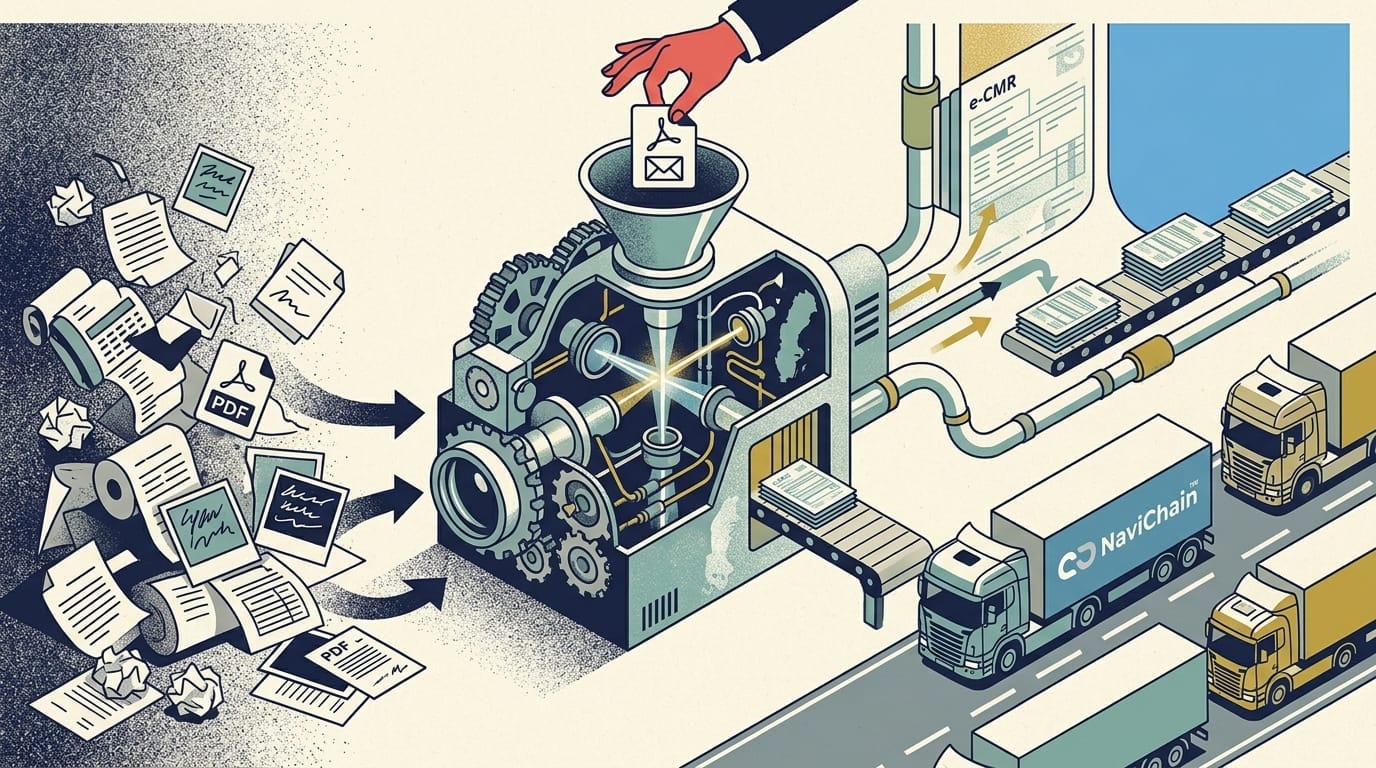
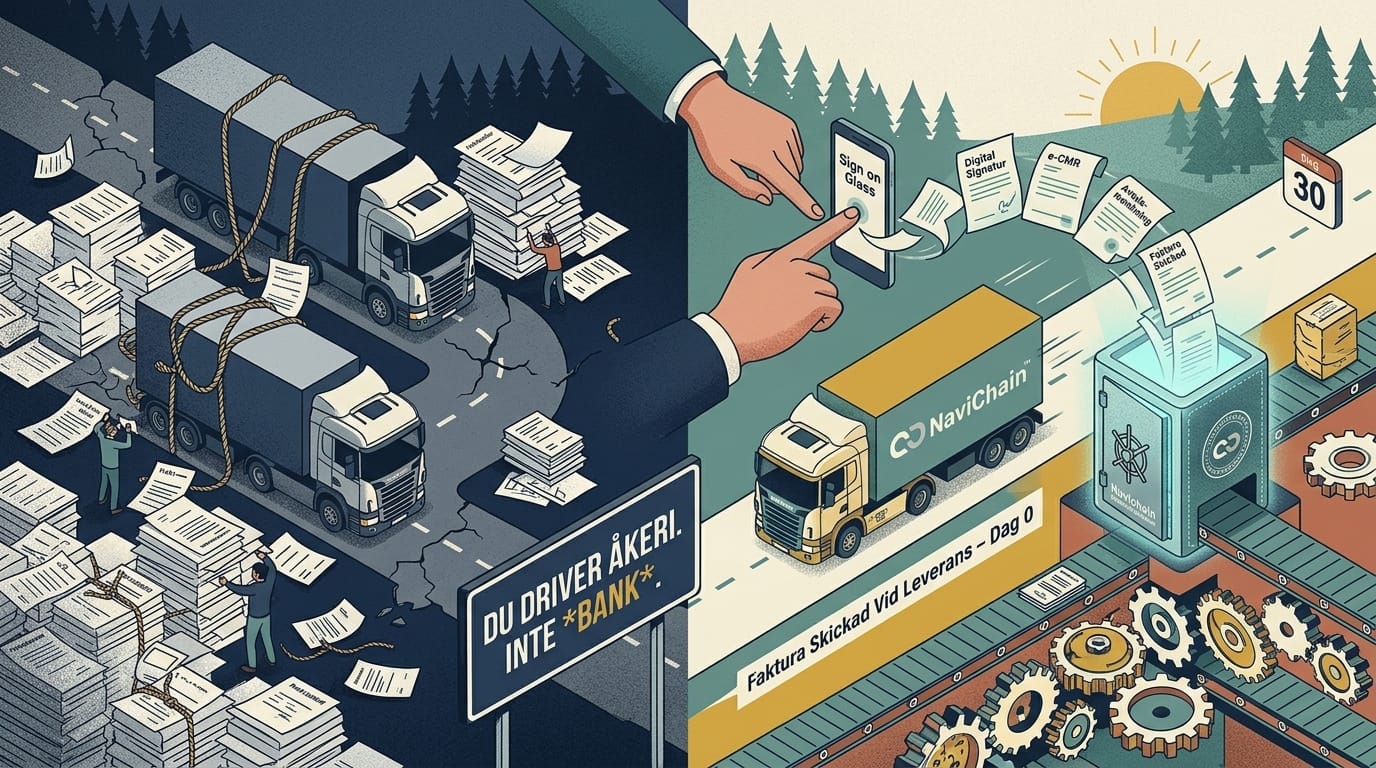
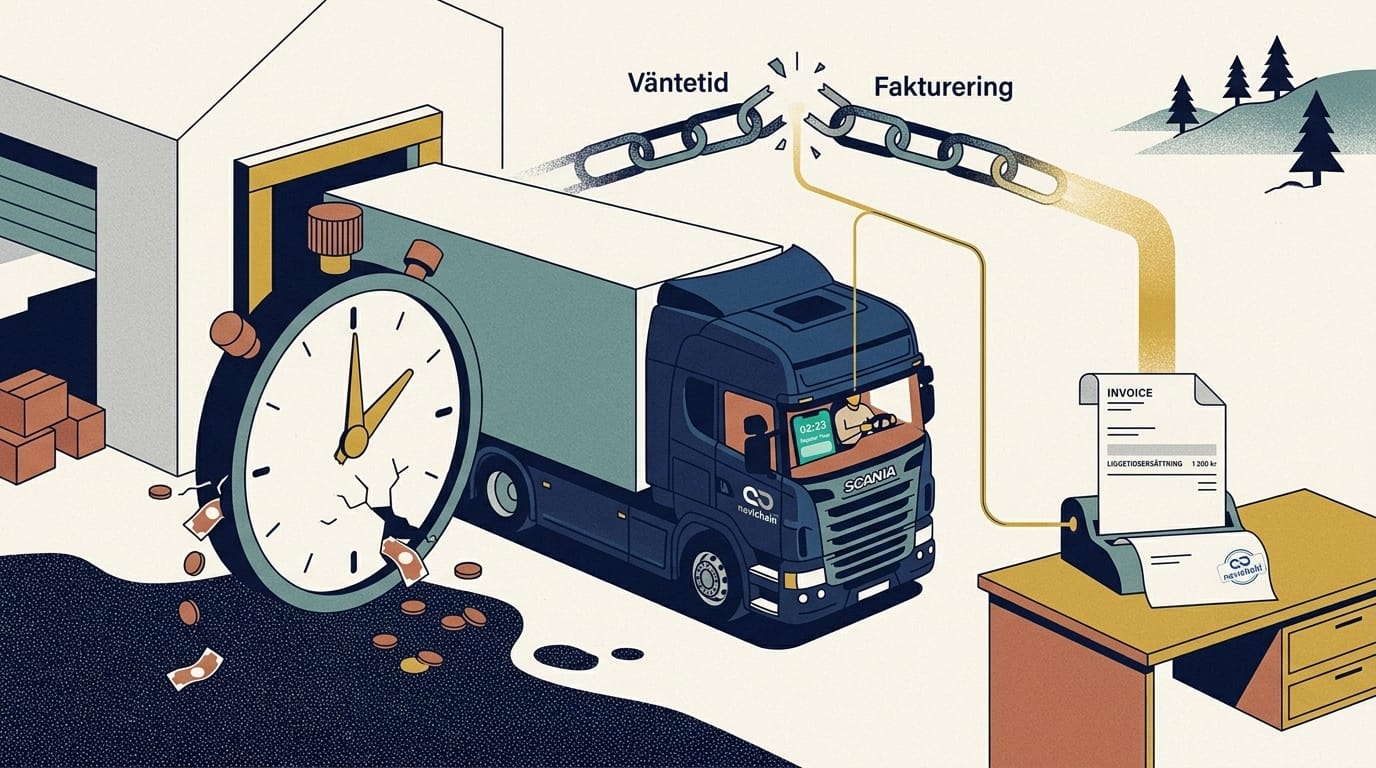
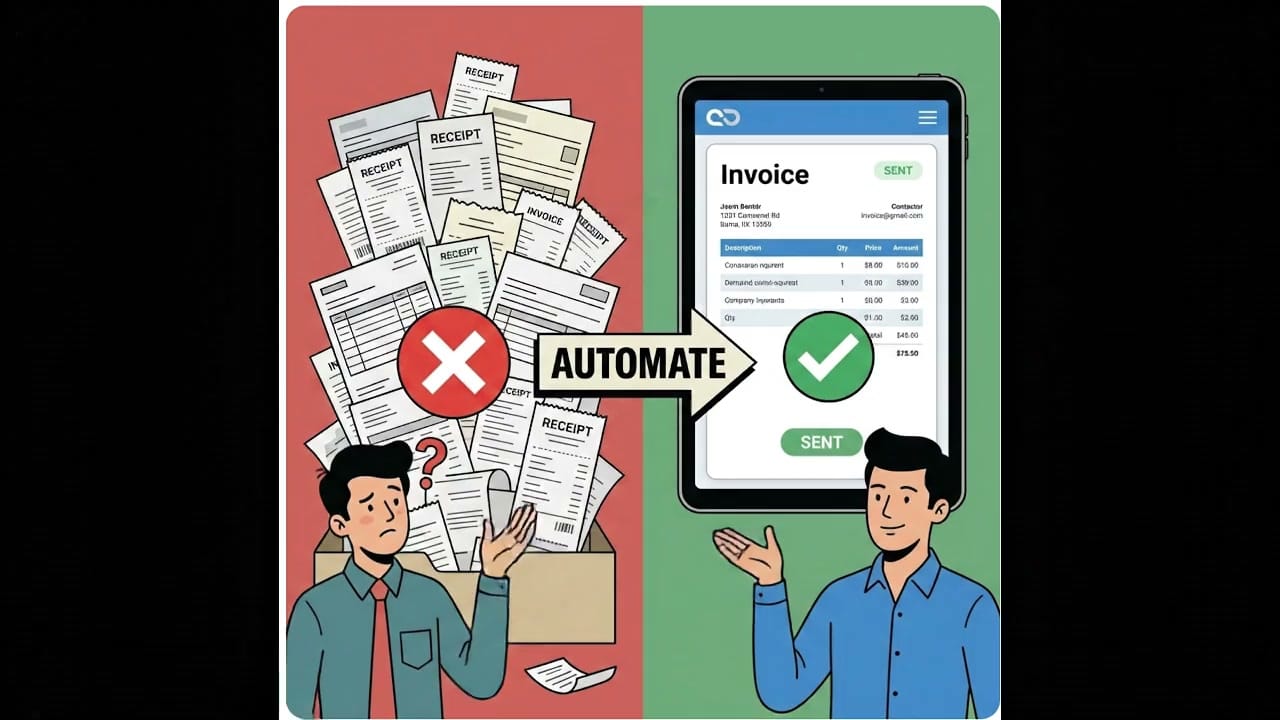
Summary for Decision Makers For many small and medium-sized haulage companies (SMEs), paperwork is a daily struggle that consumes both time and profit margins. Complex waybills, lost documents, incomplete delivery notes, and slow invoicing processes create an administrative bottleneck that hinders growth. This white paper explores how the digitalization of waybills (e-CMR) is not just a matter of meeting upcoming EU regulatory requirements (eFTI), but a critical step towards streamlining operations and boosting efficiency.

· 7 min read
e-CMR: The Efficiency and Satisfaction Engine
e-CMR

e-CMR: The Efficiency and Satisfaction Engine

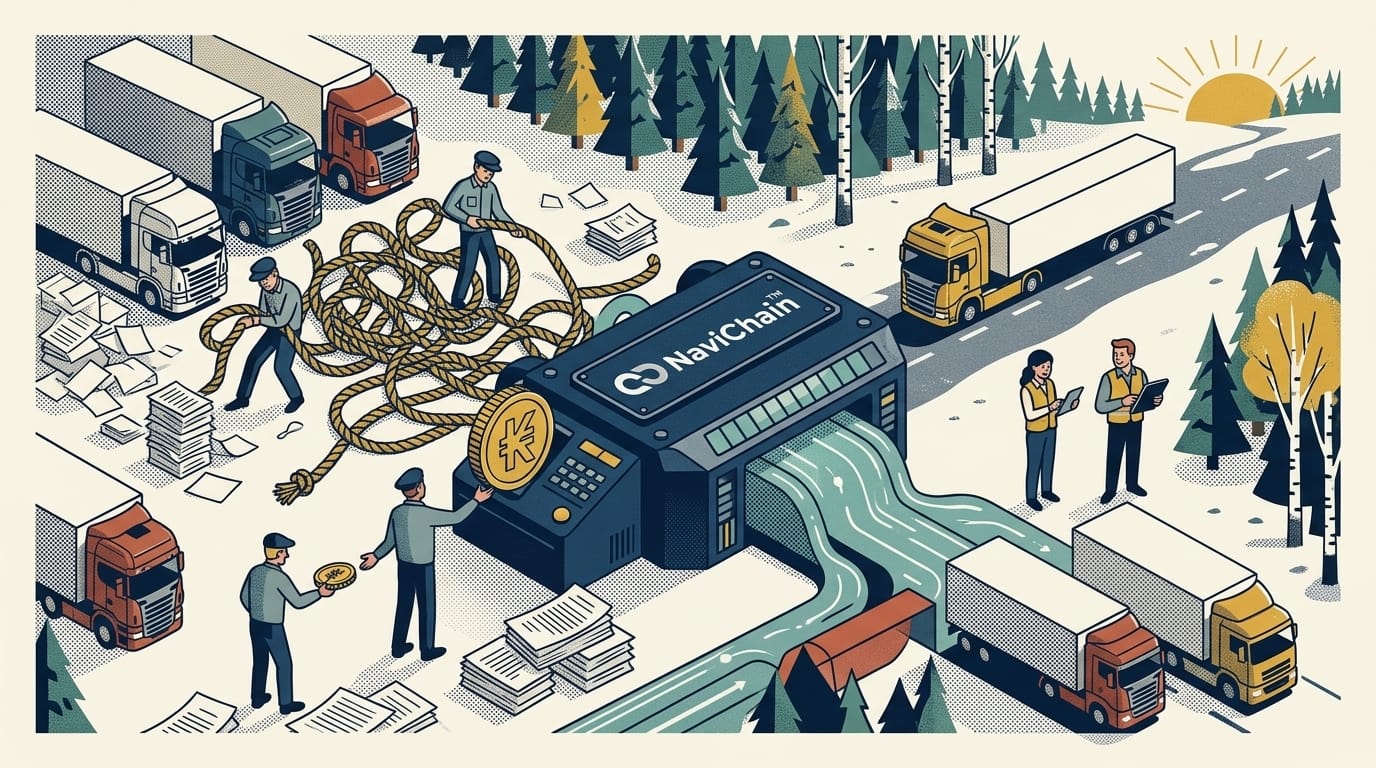
A revolutionary solution for SME logistics owners & managers Summary In today's demanding logistics landscape, operational efficiency and customer satisfaction are of utmost importance. Traditional paper-based waybills (CMR) represent a significant bottleneck, hindering real-time visibility, creating administrative burdens, and impacting the customer experience. This white paper explores how electronic consignment notes (e-CMR) can revolutionize your business, drive efficiency, and foster lasting customer relationships. We

· 4 min read
Beyond the Silo: Why 'Best-of-Breed' is Breaking European Supply Chains
Leveranskedja

Beyond the Silo: Why 'Best-of-Breed' is Breaking European Supply Chains

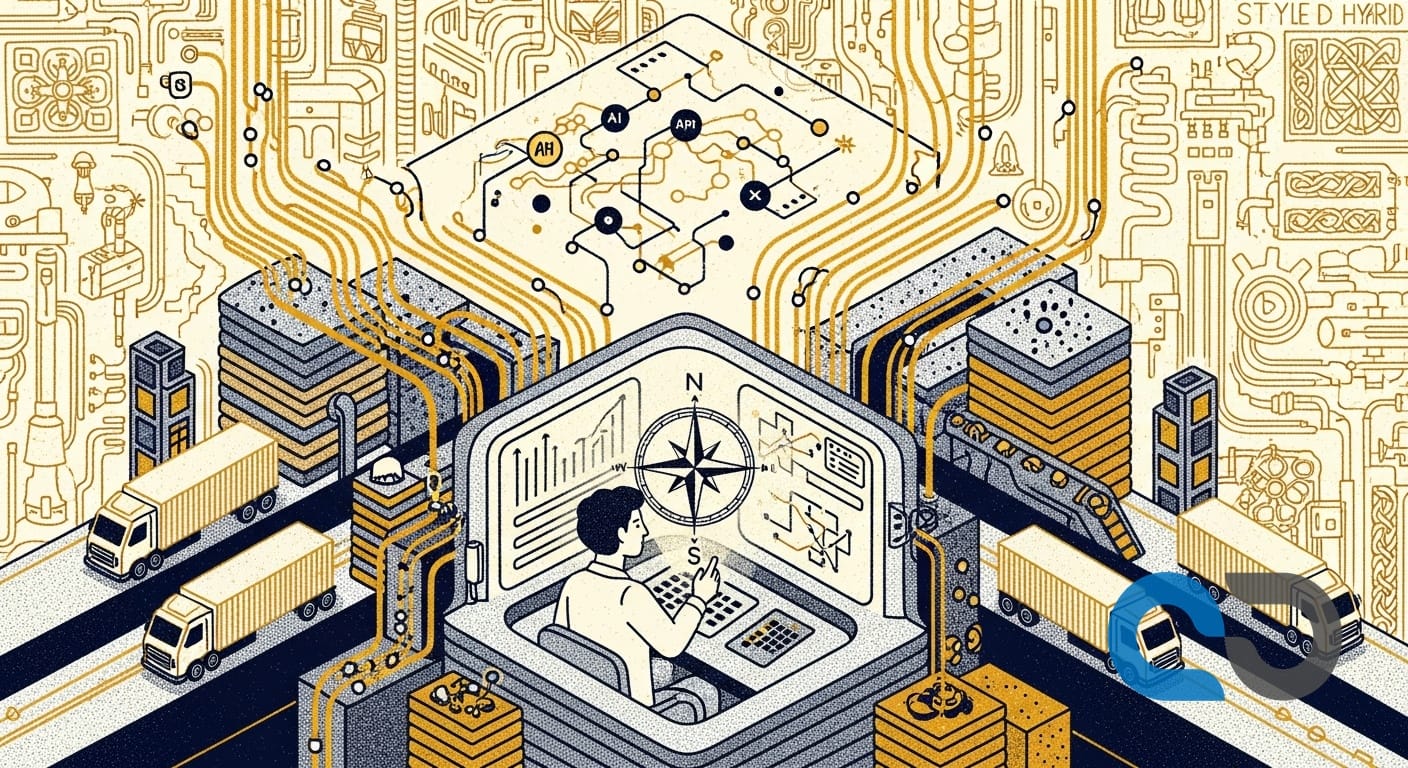
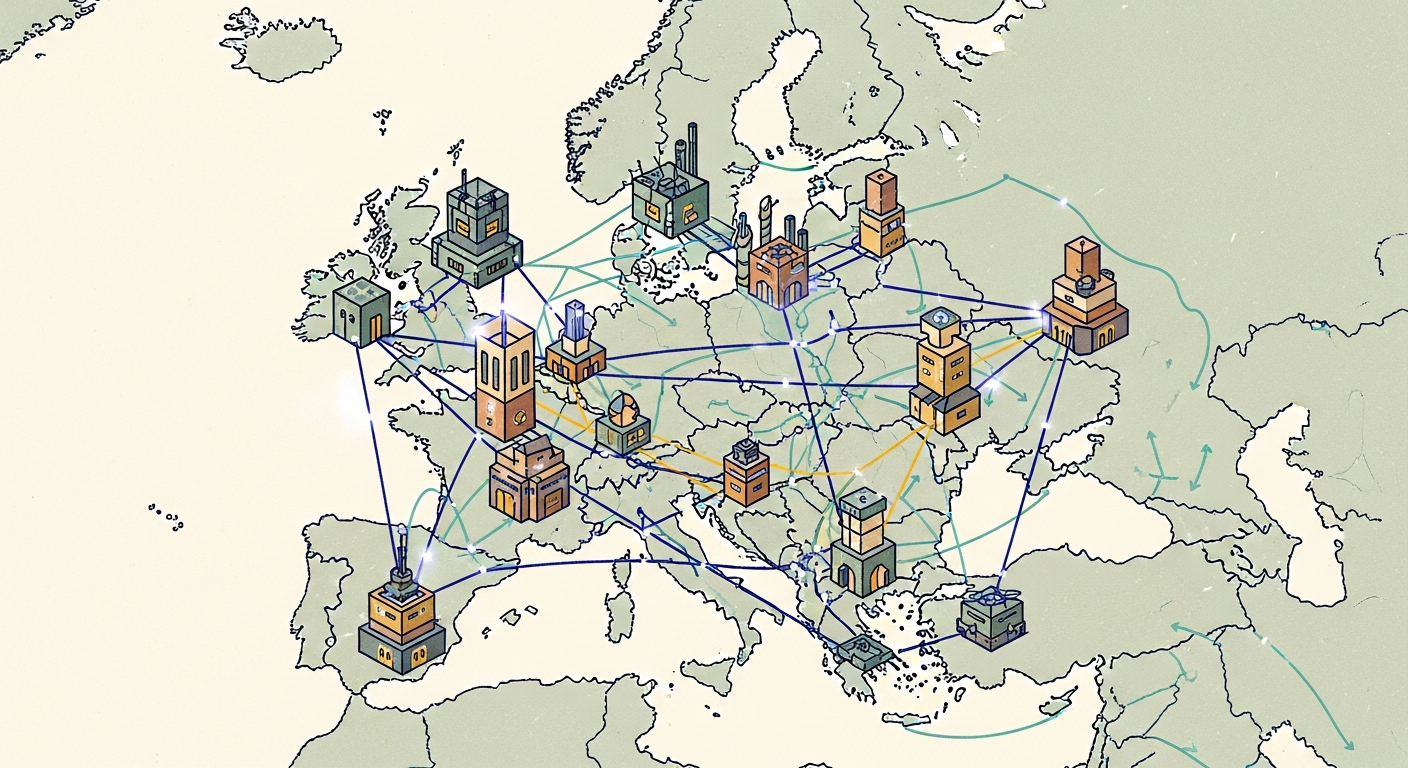
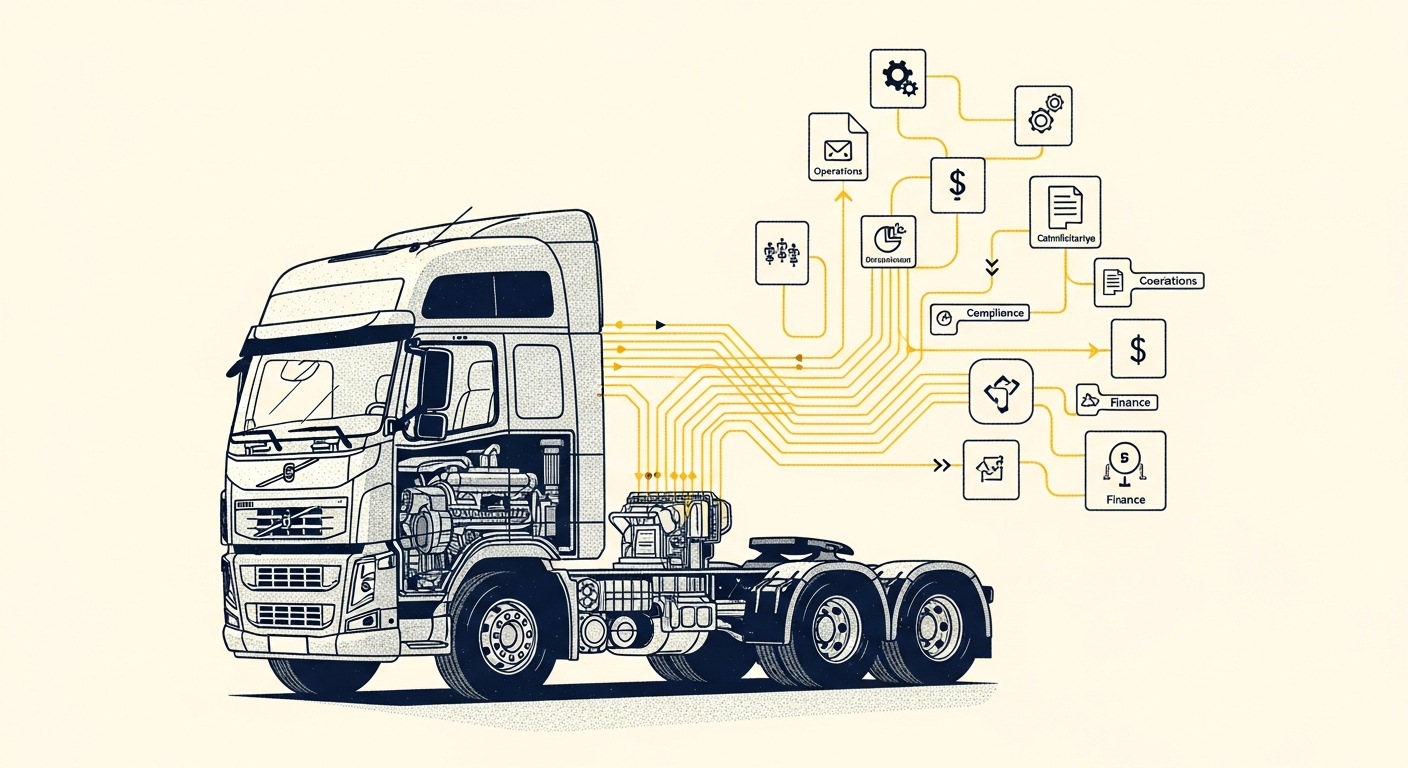
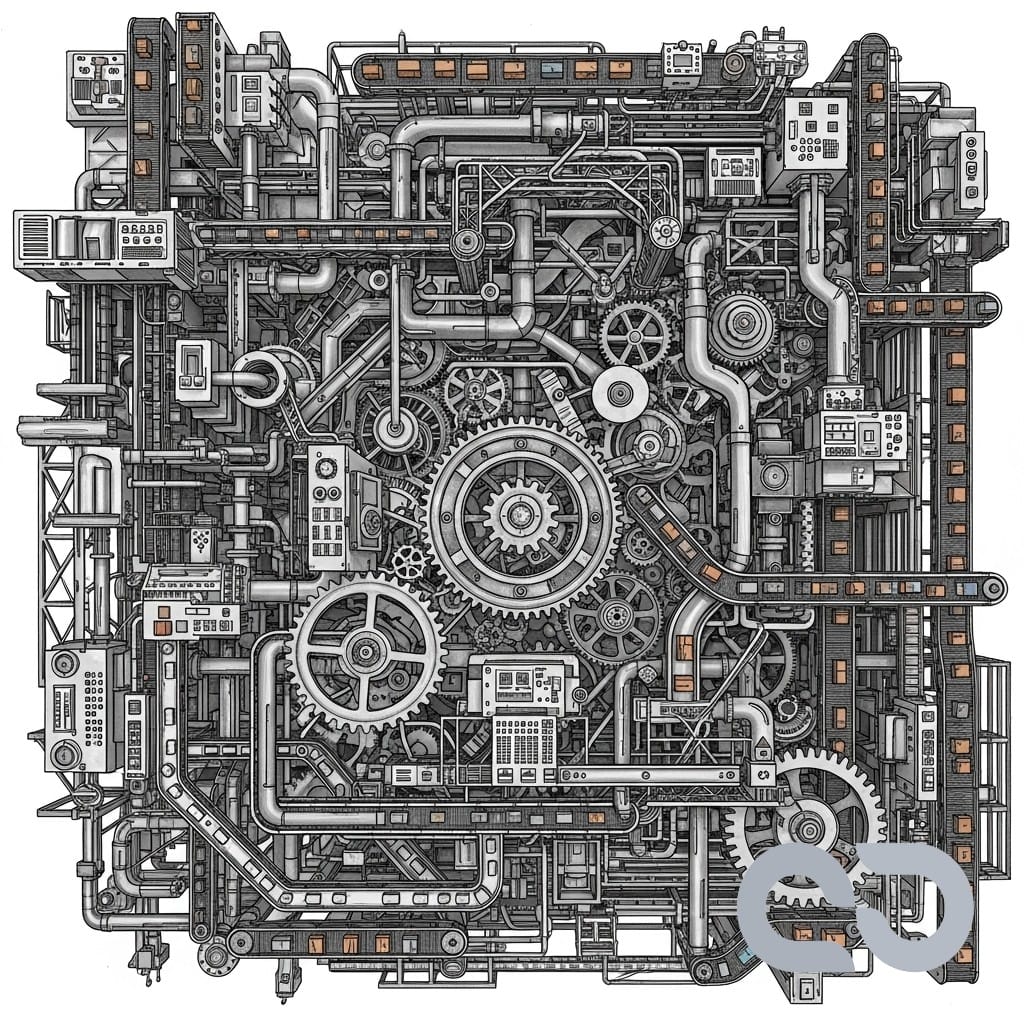
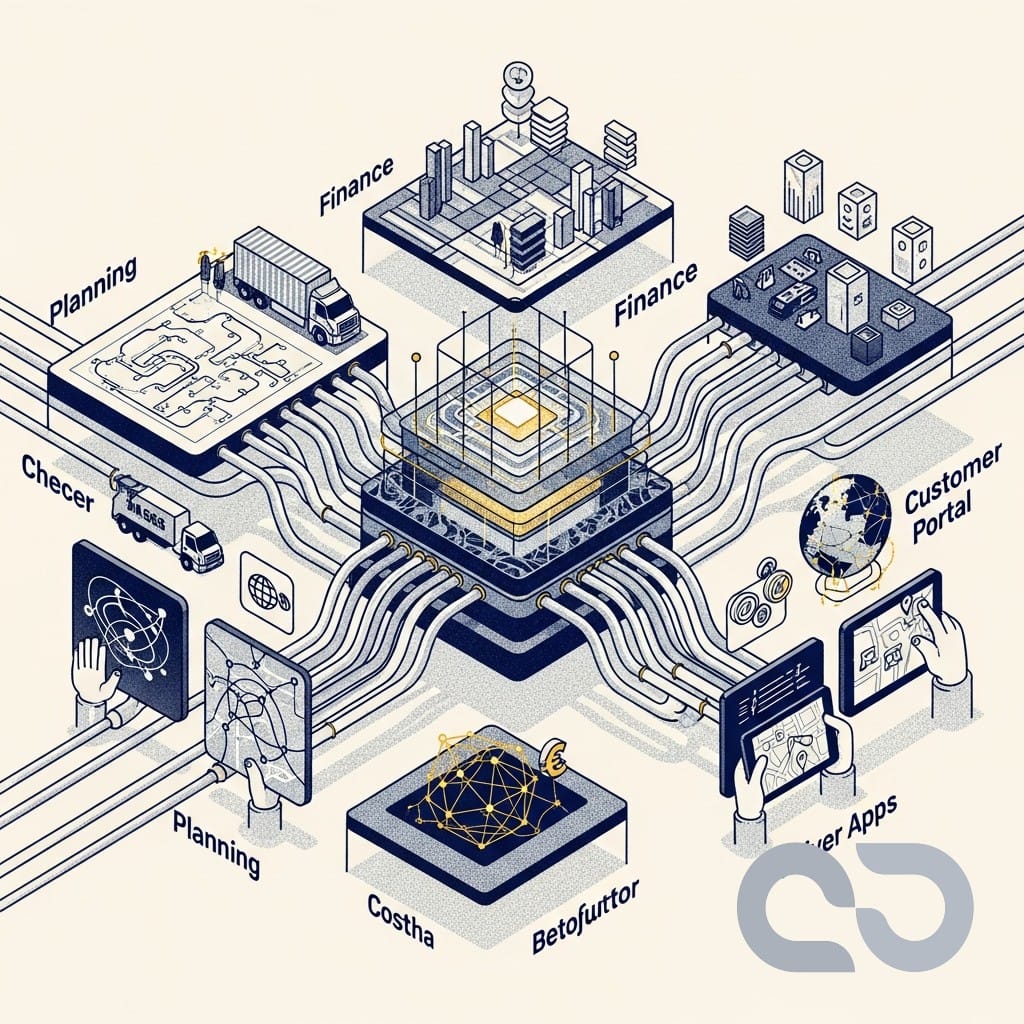
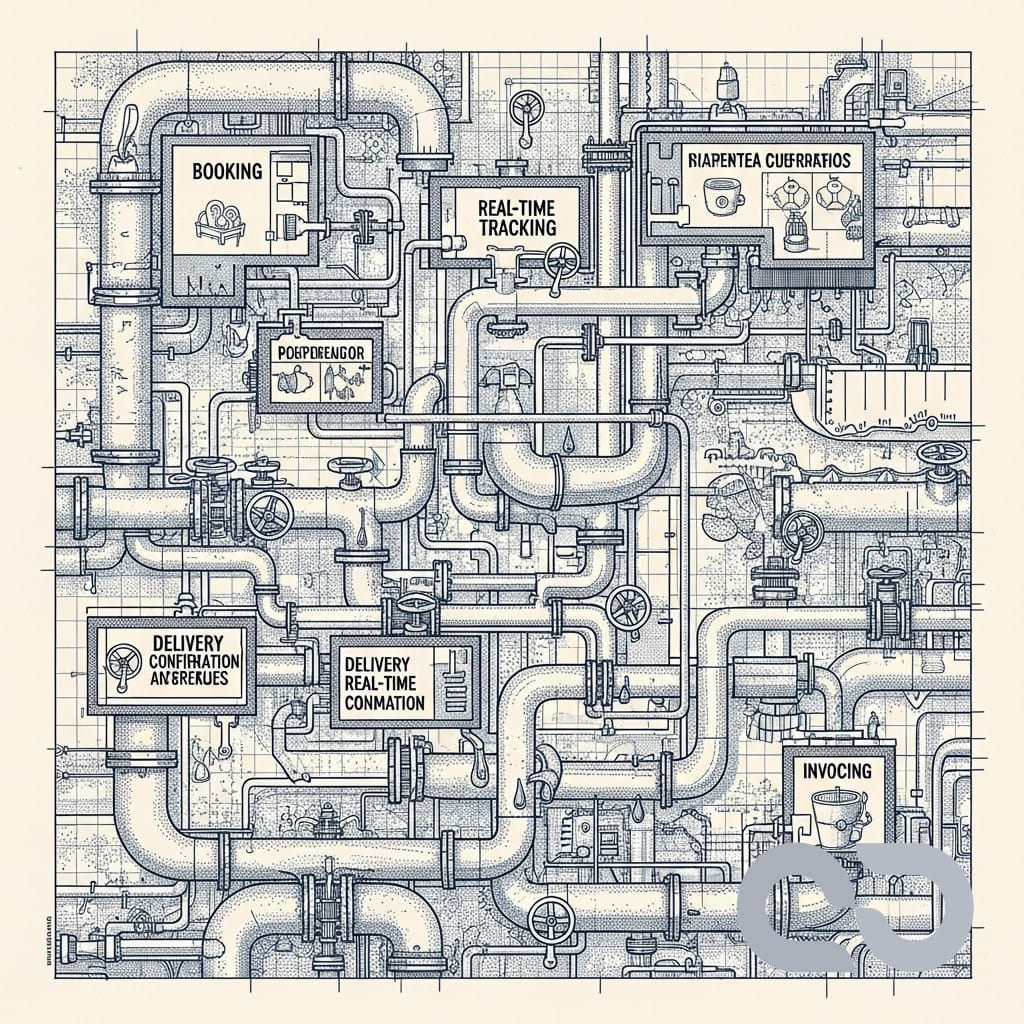
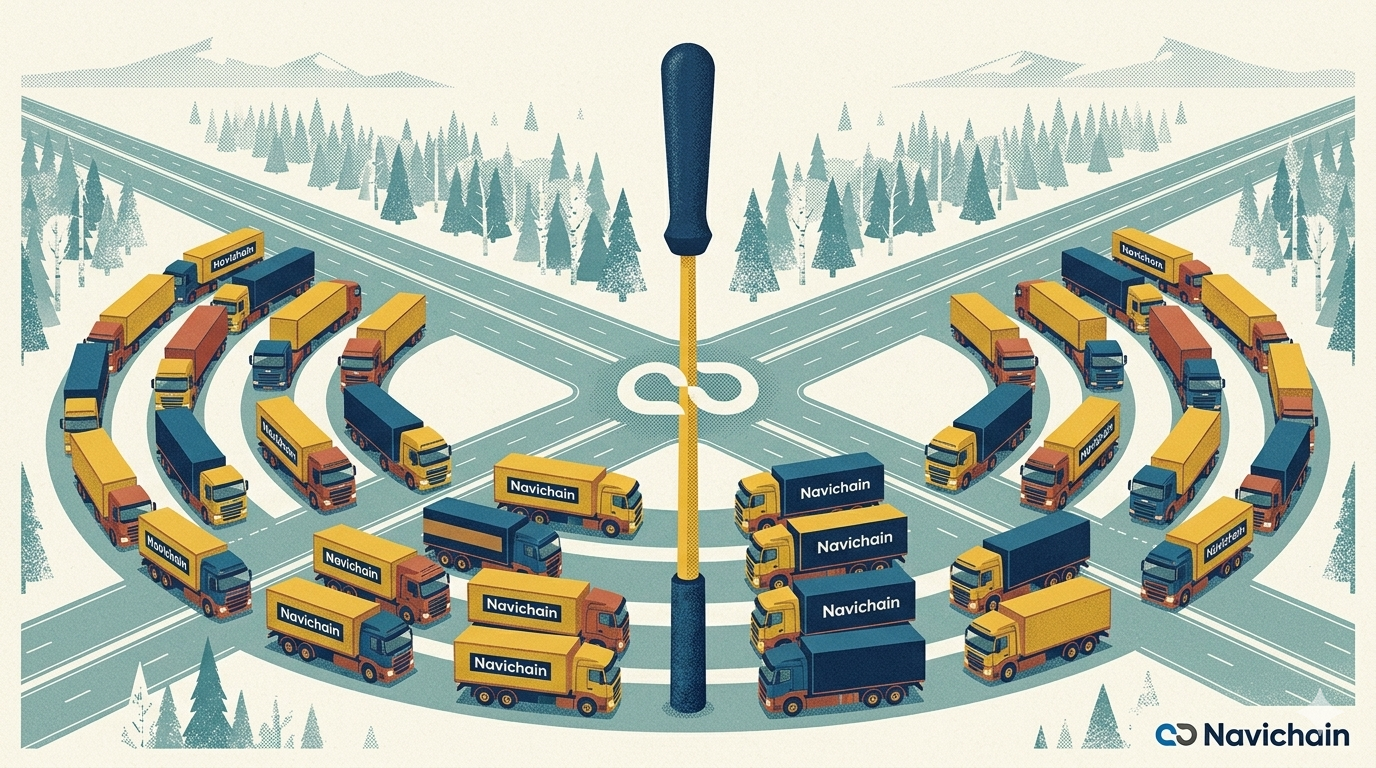
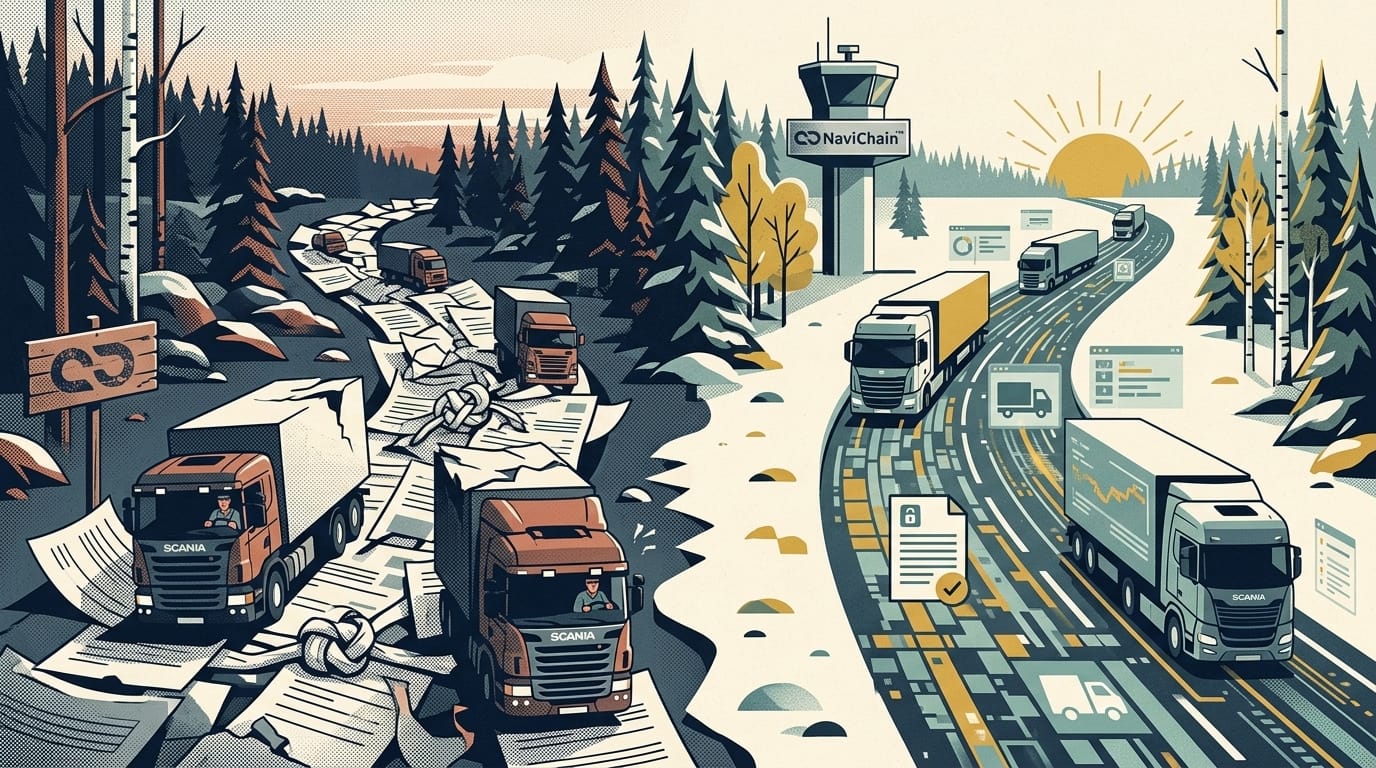
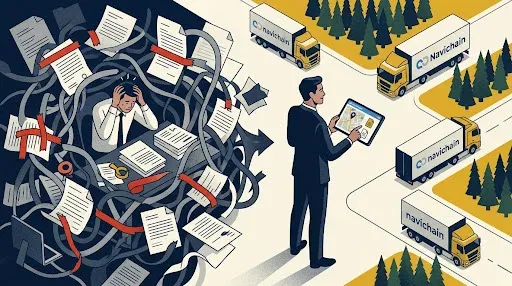
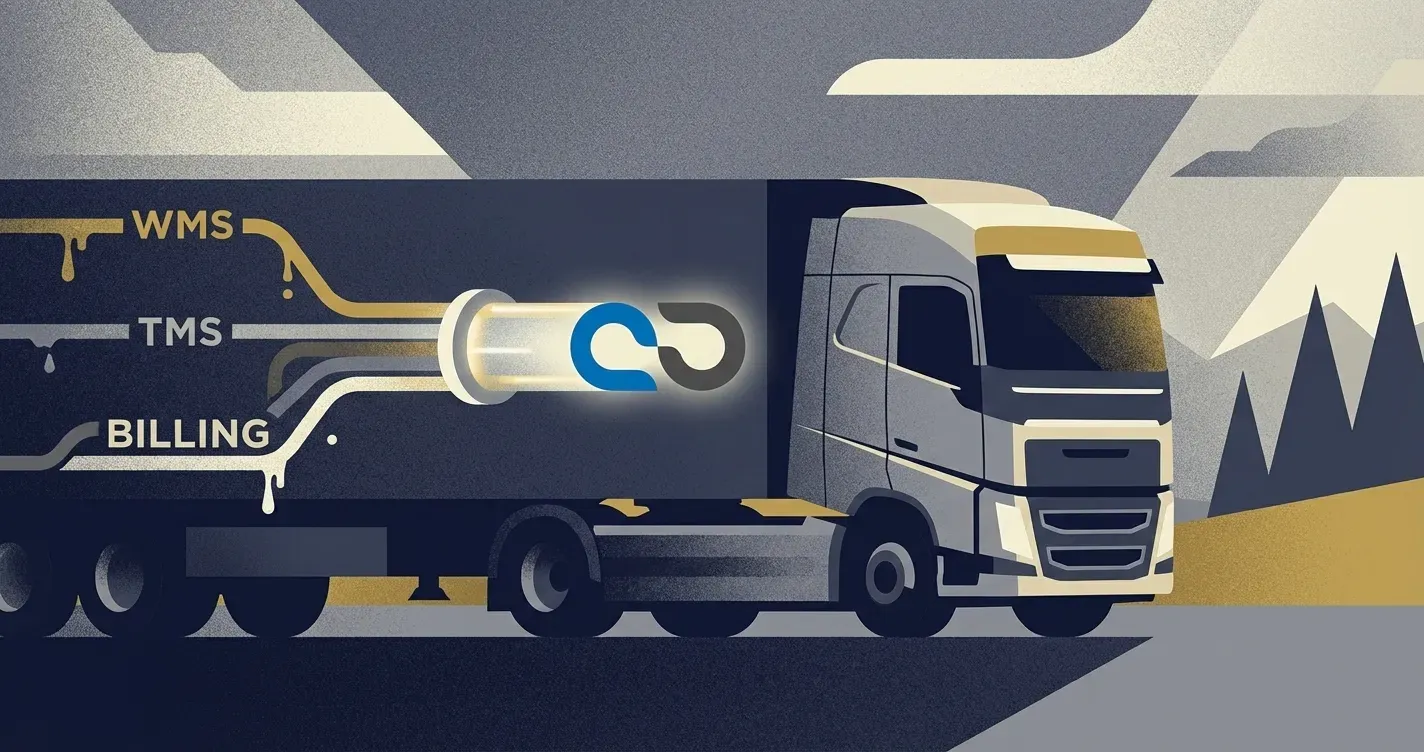
Beyond Silos: Breaking European Supply Chains Summary The image illustrates the complex and uncoordinated systems often characterizing the "best-of-breed" approach, leading to inefficiency and lack of visibility in the supply chain. European small and medium-sized enterprises (SMEs) are increasingly experiencing the negative consequences of a "best-of-breed" strategy for their supply chains. What originally

· 13 min read
The Agility Trap: Why Your Fragmented Technology Stack Is Your Biggest Competitive Disadvantage
Logistik

The Agility Trap: Why Your Fragmented Technology Stack Is Your Biggest Competitive Disadvantage

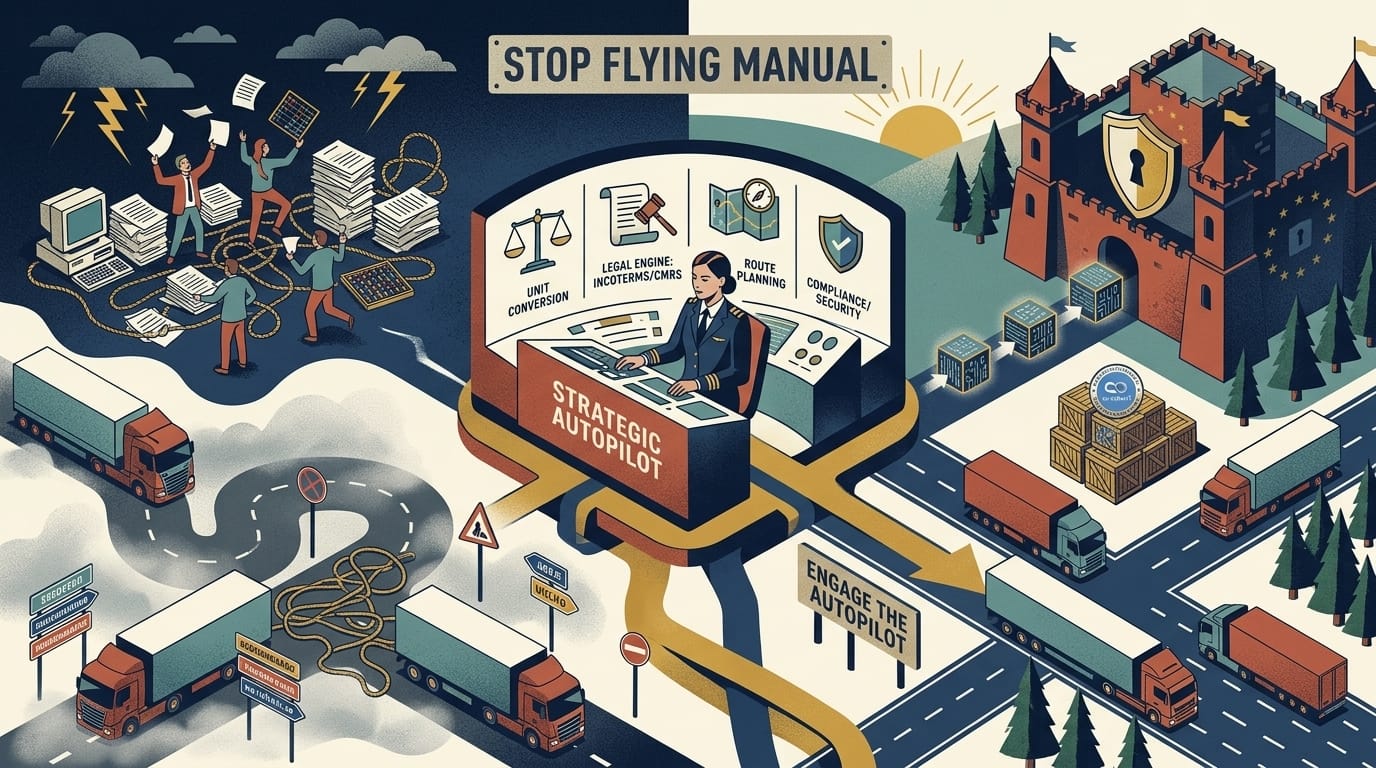
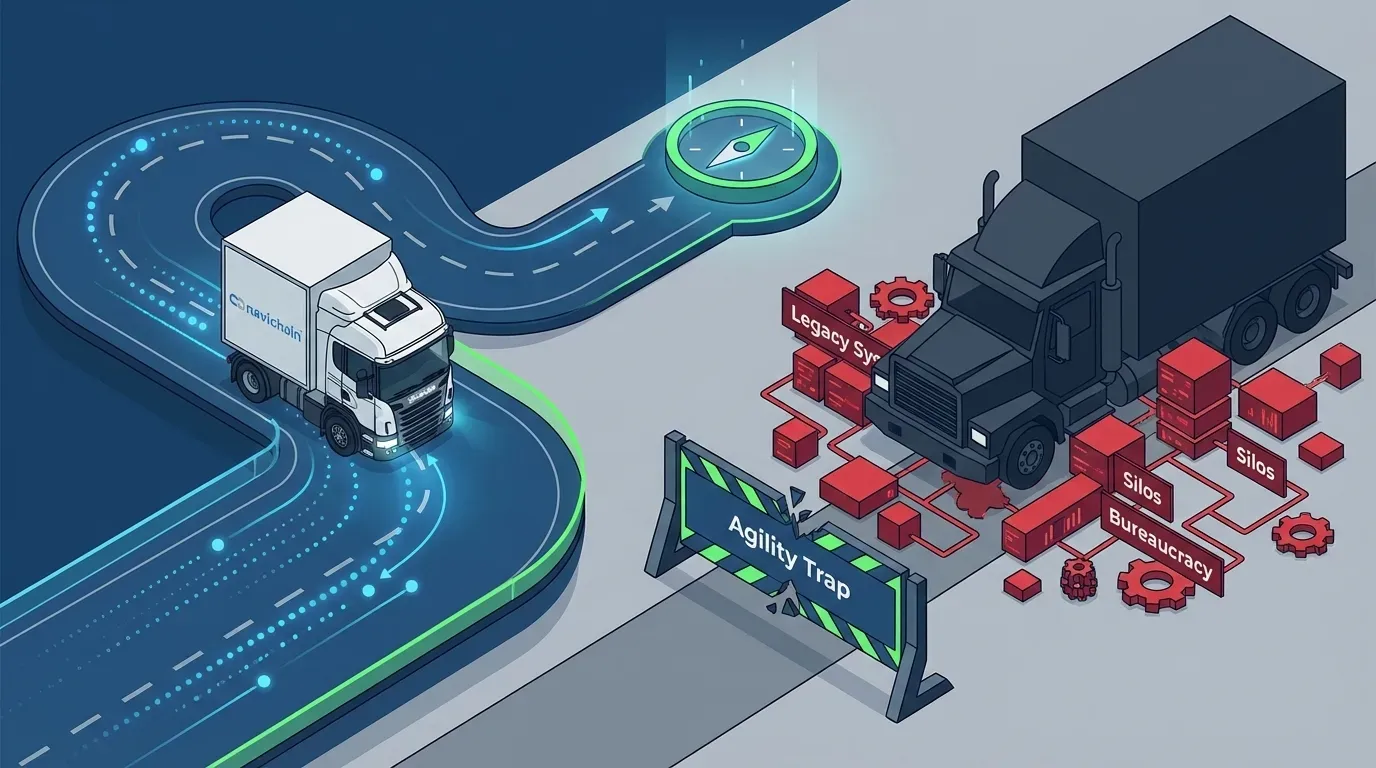
The Flexibility Paradox: Has the Traditional Strength of Haulage Companies Become Their Achilles' Heel? Discover how major carriers are not just "big," but "smart," and how modern technology is putting pressure on small and medium-sized haulage companies. This report explores the myth of "David versus Goliath" in today's logistics landscape. The Agility Trap: Why Your Fragmented Technology Stack Is Your Biggest Competitive Disadvantage For decades, the competitive advantage for small to medium-sized haulage companies (SMEs) has been their agility.

· 10 min read
Beyond the hype: The real, operational challenges of implementing e-CMR
e-CMR

Beyond the hype: The real, operational challenges of implementing e-CMR

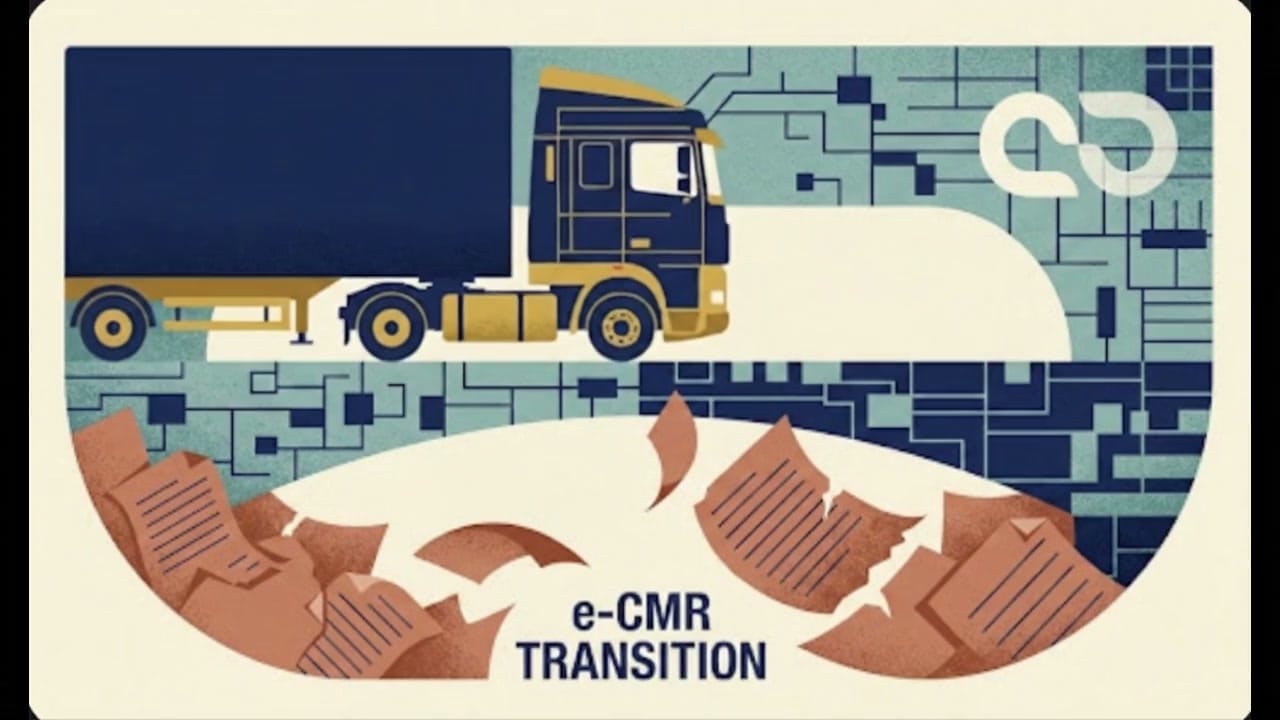
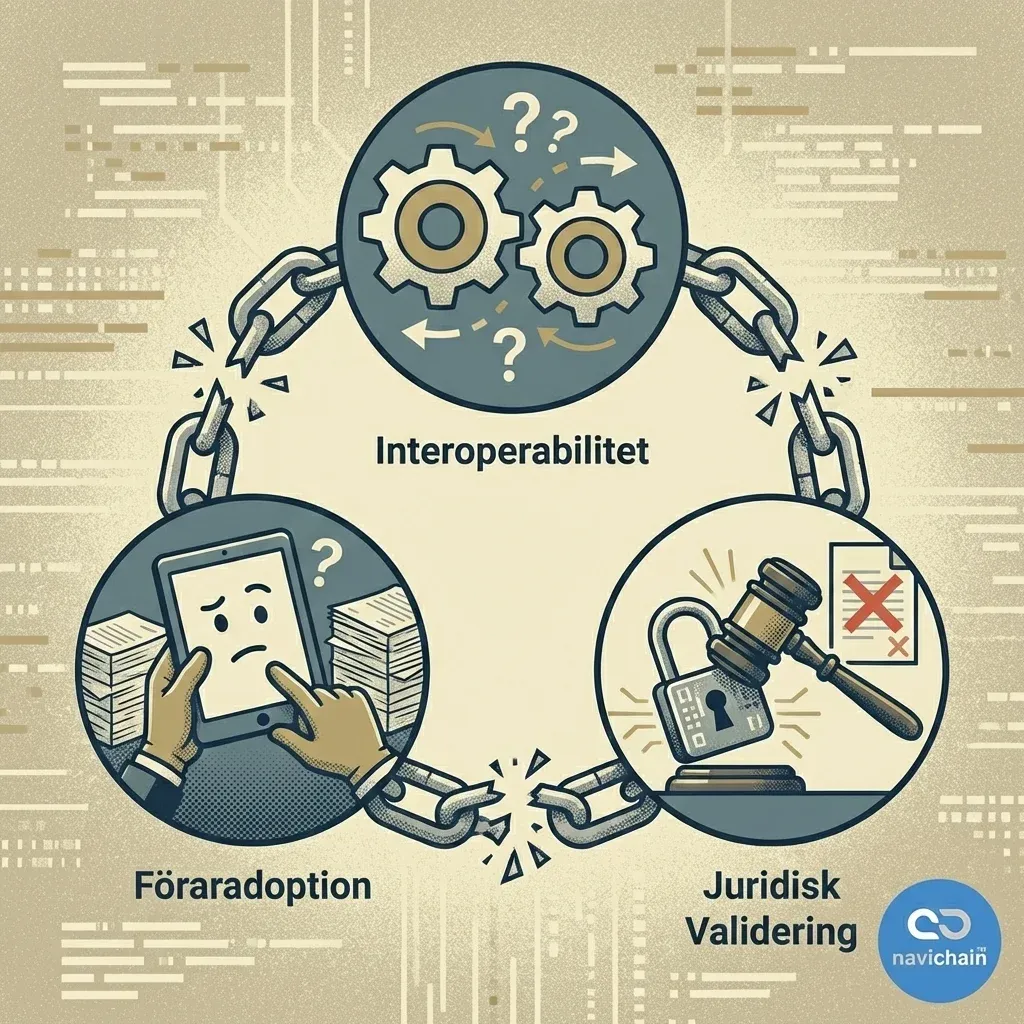
Beyond the hype: The real operational challenges of implementing e-CMR Challenges with e-CMR Implementation in Logistics The transition to digital consignment notes (e-CMR) is often described as a simple "no-brainer" for the logistics industry. The promise is paperless efficiency, saved time, and reduced administrative work. However, for the haulage companies and logistics firms actually standing at the starting line to implement the technology, reality is significantly more complex. Many

· 6 min read
The Insight Paradox: Why More Data Leads to Poorer Operational Decisions
Logistik

The Insight Paradox: Why More Data Leads to Poorer Operational Decisions

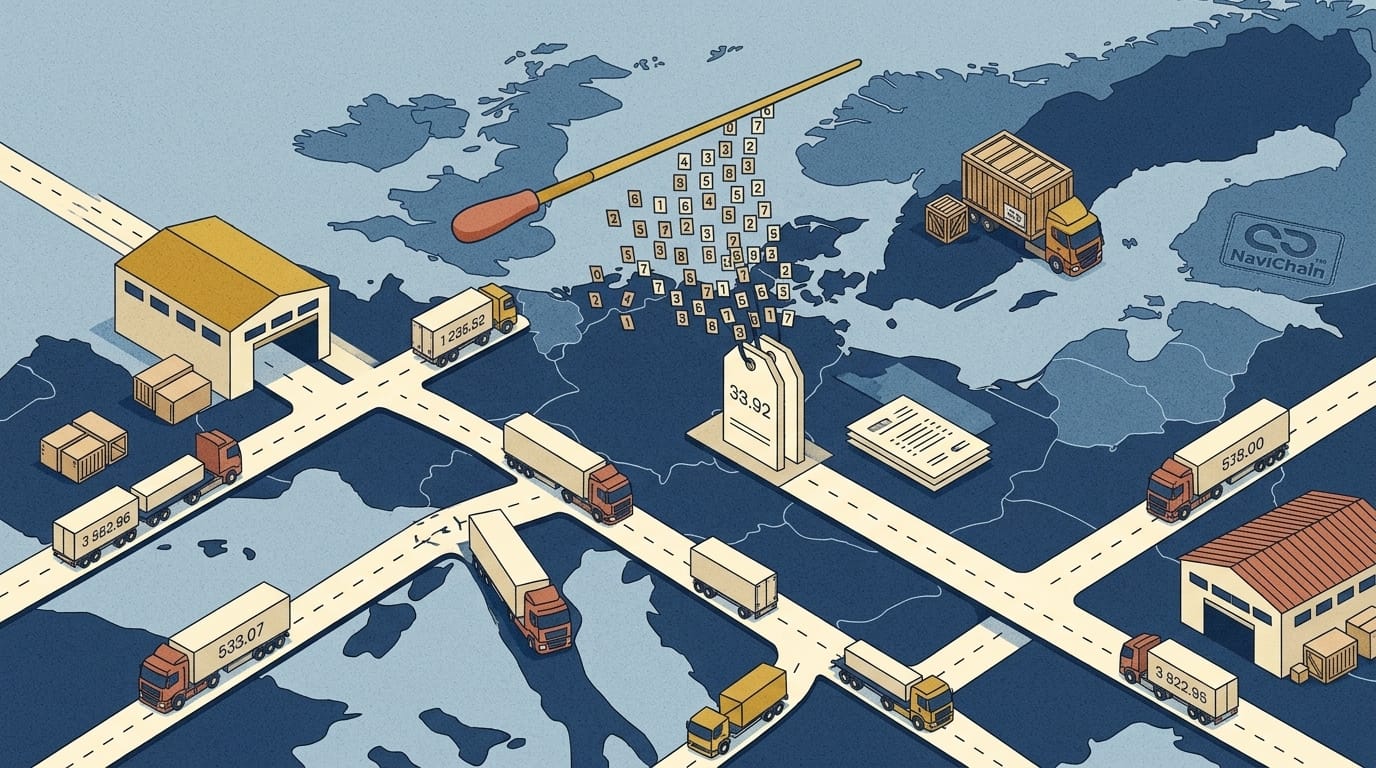
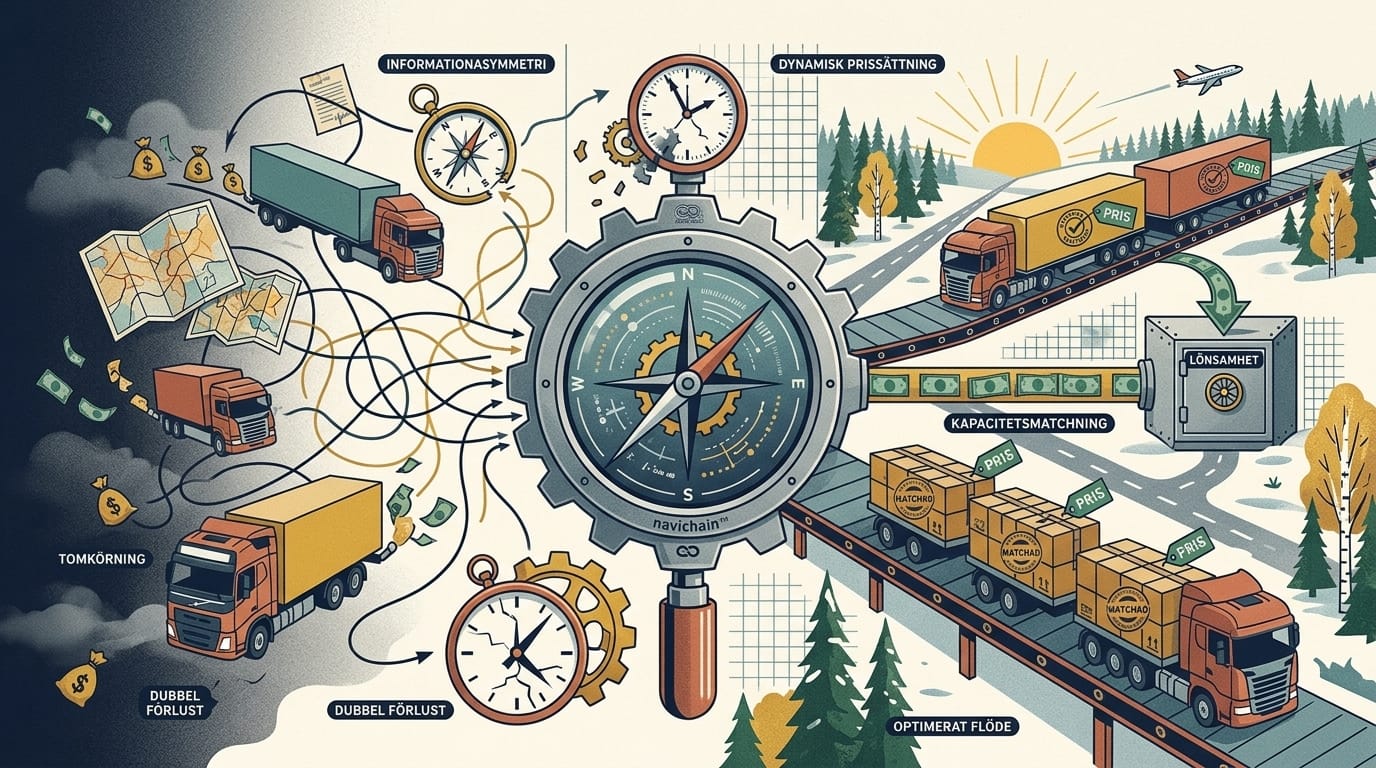
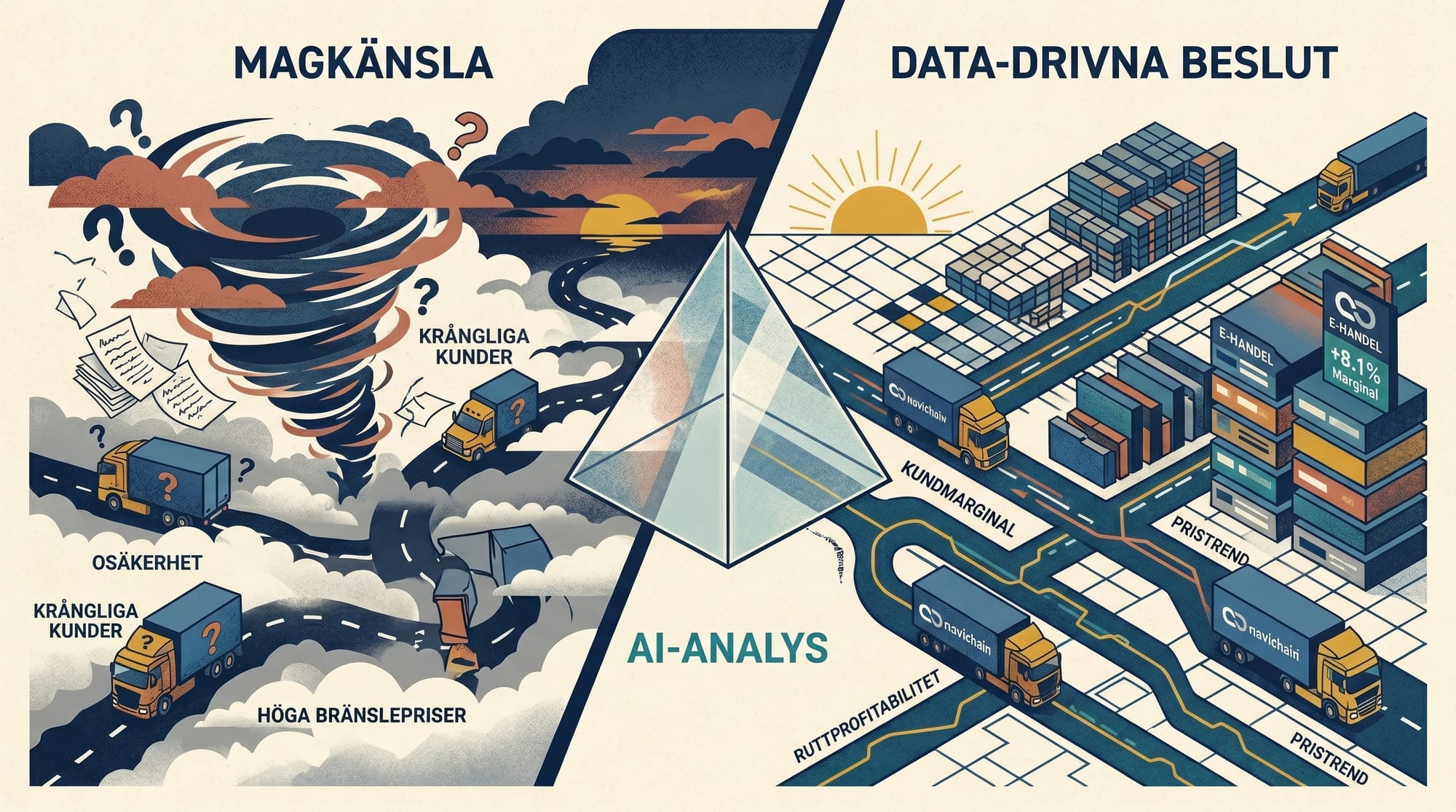
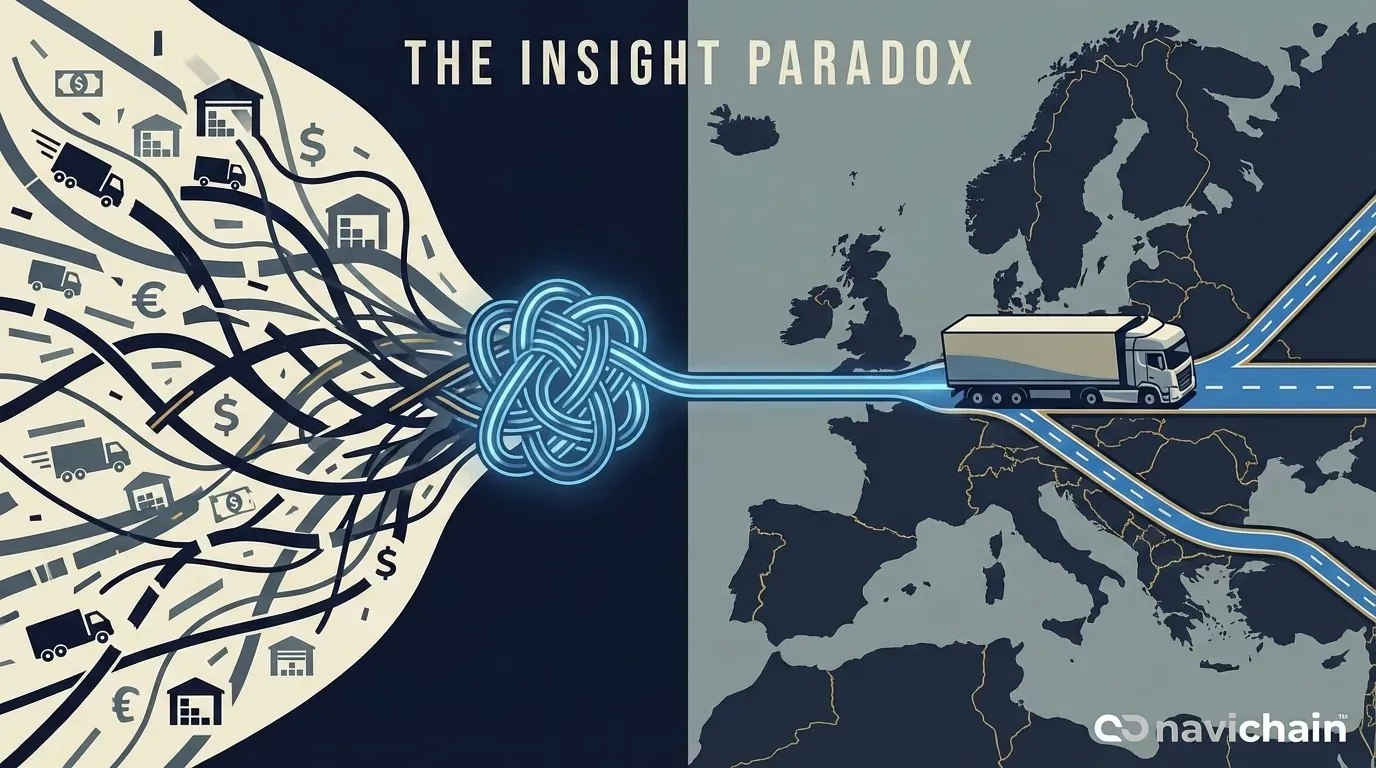
Scandinavian logistics managers face immense pressure to optimize complex routes, such as choosing between transshipment and direct delivery to the customer. Despite investments in multiple systems (TMS, WMS, invoicing), these high-risk decisions remain a daily "best guess." The conventional view is that more data from more specialized tools leads to better insights. The reality is the opposite. This data fragmentation creates a "data-rich, insight-poor" paradox.

· 10 min read
Self-determination in motion: Why European SMEs are regaining control of the supply chain
Logistik

Self-determination in motion: Why European SMEs are regaining control of the supply chain

The notorious "Excel trap" is a common and costly problem. Many SMEs still rely on Excel spreadsheets to manage critical logistics functions such as transport planning, warehouse management, route optimization, and invoicing. This creates inefficiency, lack of transparency, difficulties in scaling, and a high risk of human error. When data is fragmented across different Excel spreadsheets and departments, visibility is lost, making it difficult to make informed decisions.
· 12 min read