Profitability Paradox: How More Systems Lead to Less Control and Lower
🇬🇧 Read this article in English
In an industry characterized by fierce competition and rising costs, profit margins are constantly under pressure. This white paper explores how haulage company owners and logistics managers can navigate this challenging landscape and increase their profitability. Discover strategies for efficient route planning, fuel consumption optimization, and improved invoicing to strengthen your competitiveness.
The Profitability Paradox: How More Systems Lead to Less Control and Lower
This is the single most important question for every haulage company owner and logistics manager in Scandinavia today. In an industry characterized by intense competition, rising fuel prices, high personnel costs, and an increasing regulatory burden, profit margins have been squeezed to levels that often hover around a meager 2-4%. Every decision, from route planning to invoicing, has an immediate impact on the bottom line.
Introduction: The Constant Struggle for Profitability
"How can I increase the profitability of my haulage company?" This is the single most important question for every haulage company owner and logistics manager in Scandinavia today. In an industry characterized by intense competition, rising fuel prices, high personnel costs, and an increasing regulatory burden, profit margins have been squeezed to levels that often hover around a meager 2-4%. Every decision, from route planning to invoicing, has an immediate impact on the bottom line. The conventional response has been to either cut costs – negotiate fuel agreements, optimize tire wear – or to invest in point solutions.
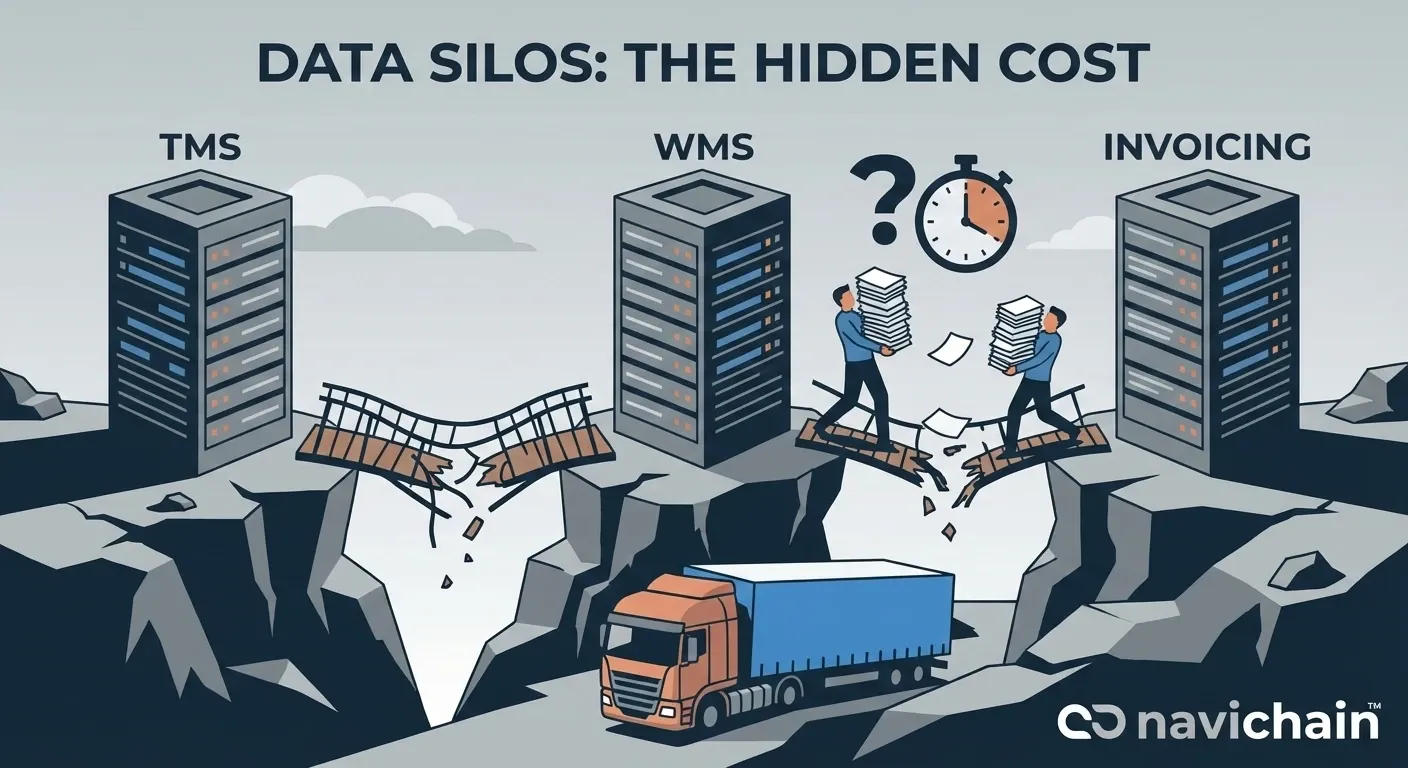
A typical haulage company owner grapples with the question of how to increase the company's profitability, which often leads to the implementation of a multitude of different systems.
You buy a new TMS to plan routes, a WMS to manage inventory, and perhaps a separate invoicing program to handle finances. The logic seems sound: each system is the best in its class. But here arises the profitability paradox: the more separate systems an SME haulage company implements to solve specific problems, the less control and lower profitability they tend to achieve. Why? Because each new system creates a new data silo. Each silo creates manual work, communication gaps, and operational friction. This friction is the hidden enemy that silently drains your profits. This white paper argues that the path to increased profitability does not lie through more separate systems, but through a radical shift to a unified operational model. We will analyze the hidden costs of data silos and present a strategic framework for building a resilient and profitable haulage company.
Revealing Friction: The True Cost of Separate Systems
To understand why profitability is eroded, we must look beyond the obvious costs (such as diesel) and instead examine the internal processes. Friction in a fragmented system landscape manifests itself in several costly ways.
1. The Administrative Black Hole: Manual Data Entry
In a typical SME haulage company, information from a customer order must be manually entered into the TMS system. When the transport is completed, the information (perhaps with adjustments from the driver) must be manually transferred to the invoicing system. If the goods pass through a warehouse, they must also be registered in a WMS. Each transfer is a potential source of error and a guaranteed time thief.
Data in Practice: Studies in the logistics sector show that administrative staff can spend up to 30-40% of their time manually moving and verifying data between non-integrated systems. This is time not spent on customer service, optimization, or business development. It is pure, unproductive cost.
Fig 2: Data in Practice: Studies in logistics show that administrative staff can spend 30-40% of their time on manual data handling...
2. The High Cost of Empty Runs: Lack of Holistic View
Empty runs are every haulage company's nightmare. Eurostat and IRU have pointed out that up to 20-25% of all truck trips in certain segments in Europe are made without a load. This is not just an environmental problem; it is an economic disaster. The cause is rarely an unwilling dispatch/transport management, but more often an unable dispatch/transport management. Without a unified system where incoming orders, available vehicles (Asset Management), and return flows (WMS) are visible in real-time, planning becomes reactive. You solve the most urgent problem at hand, which often results in a truck driving back empty. You simply lack the data needed to proactively combine assignments and maximize load factor.
3. Hidden Errors and Delayed Invoicing
When the invoicing basis must be manually compiled from driving logs, TMS data, and any warehouse services, errors occur. An extra waiting time is not billed, an addition is forgotten. The result? You lose revenues that you are entitled to. Even worse is the time delay. If it takes two extra weeks to issue a correct invoice due to administrative chaos, your cash flow is directly affected. In an industry with small margins, a strong cash flow is the difference between survival and bankruptcy.
4. GDPR and Security Risks: Uncontrolled Data Sprawl
Where is your data? When you have a TMS in the cloud with one provider, an accounting system with another, and driving data on local servers, you have created a nightmare for compliance. Tracking vehicle and driver data constitutes processing of personal data under GDPR. With data spread across multiple systems (and potentially multiple legal jurisdictions, such as the USA, via large cloud providers) it becomes almost impossible to guarantee compliance. The risk of data breaches and high penalty fees is imminent.
The Way Forward: The Framework for Unified Operations
The solution to the profitability paradox is to stop treating symptoms with point solutions. You must redesign the very operational system for your haulage company.
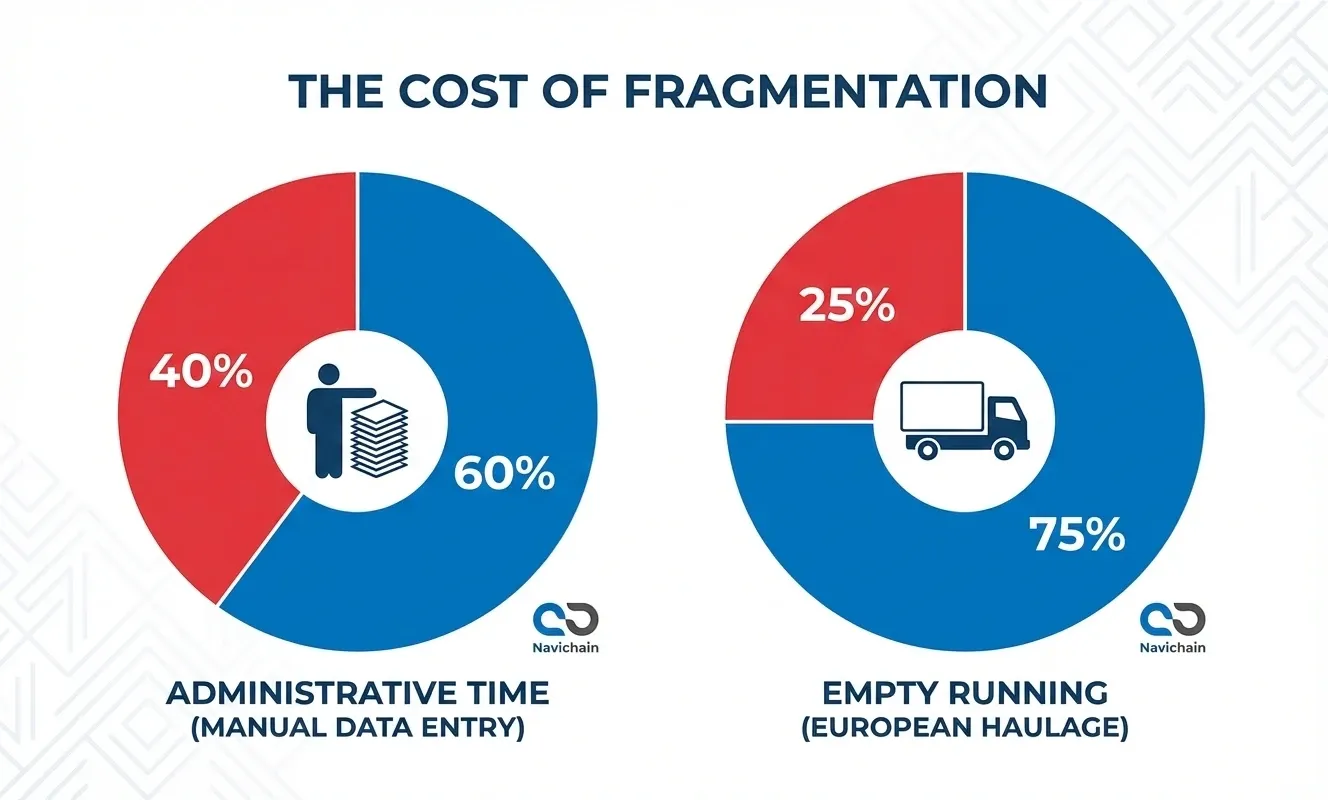
Fig 3: The Profitability Paradox showing how more systems can lead to less control and lower profits for smaller haulage companies.
The path to sustainable profitability is built on three strategic pillars.
Pillar 1: Consolidate the Core to a Single Source of Truth
Instead of having separate systems that talk to each other through fragile integrations, you must have a single system where all data lives. Dispatch/transport management (TMS), warehouse management (WMS), order management, and invoicing must be modules in the same unified platform. When an order is created, it should exist in the same database used to plan the route, instruct the warehouse, and generate the invoice. When a driver marks a delivery as complete in their app, the finance department should be able to see this immediately and invoice. This "single source of truth" eliminates manual data entry, minimizes errors, and gives everyone in the organization an identical picture of reality.
Pillar 2: Automate Everything That Is Not Strategic
With a unified platform, automation of workflows becomes possible. Focus on automating tasks that do not add strategic value but today steal enormous amounts of time.
- Order-to-Cash: Automate the entire flow. When a transport is completed (verified by TMS), the system should automatically generate a correct invoicing basis based on the agreed prices and any additions (such as waiting times, verified by GPS data).
- Reporting: Stop exporting data to Excel. Let the system automatically generate reports on profitability per customer, per vehicle, or per route.
- Notifications: Automatic notifications to customers about ETA, and to dispatch/transport management if a driver is approaching the limit of their driving time.
Pillar 3: From Reactive Planning to Predictive Optimization
When all your data is in one place (Pillar 1) and in real-time (Pillar 2), you can start using it to make smarter decisions. This is the step from being data-driven to being data-informed. With a comprehensive overview of all orders, vehicle positions, and availability, a dispatch/transport manager (or an AI assistant) can proactively piece together routes. The system can identify opportunities for co-loading and backhauls that are impossible to see when data is fragmented. By analyzing historical data, you can identify which customers or routes are actually profitable and which are not, giving you tools to renegotiate agreements on a fact-based basis.
From Diagnosis to Design: The Blueprint for a Resilient Logistics System
Implementing this framework requires a new type of technical foundation.
Figure 4: Architecture for a resilient logistics system.
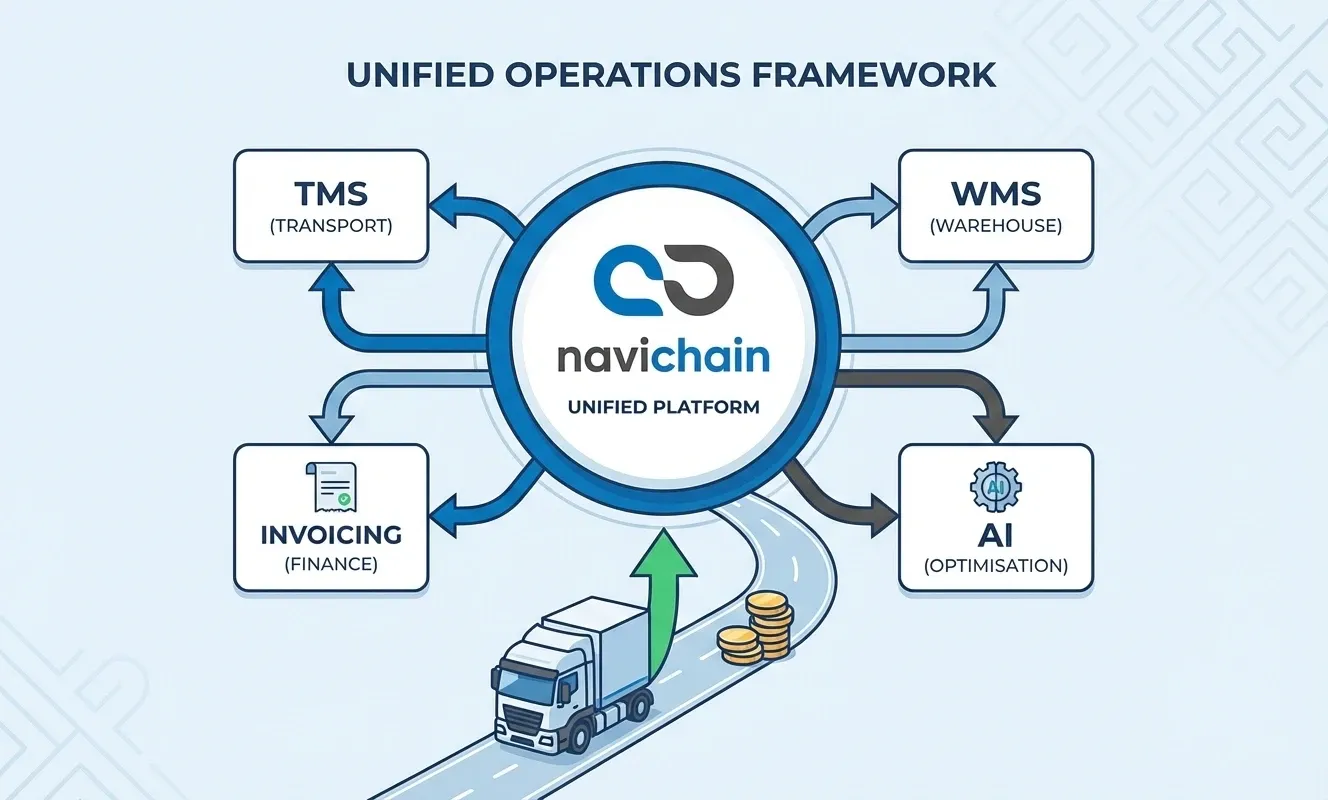
A schematic overview of the architecture for a resilient logistics system, illustrating how different components are integrated to create a unified operational fabric.
Regardless of which provider you choose, a modern logistics platform for European SME haulage companies must be built on three fundamental principles.
Principle 1: Unified Operational Fabric
The platform must function as a central nervous system for the entire operation. It must be built from the ground up to handle TMS, WMS, order management, invoicing, and asset management as parts of a single whole. This creates a "unified operational fabric" where information flows without friction from one function to another, creating a single source of truth for the entire company.
Principle 2: Secure Data Architecture and Control
For European, and especially Scandinavian, SMEs, data control is not a bonus – it is a matter of survival. Relying on cloud platforms that are subject to foreign legislation (such as the USA's CLOUD Act) is a strategic risk. True resilience and simple GDPR compliance require that your data is stored and processed within your own legal jurisdiction (EU/Sweden). Ideally, this should be done on a secure, self-hosted infrastructure where you have full control over your own operational information, free from international data complexities.
Principle 3: Embedded Analytical Intelligence
Data is only valuable if it can be turned into insight. A modern platform must have a built-in, proprietary AI layer (Integrated AI). This intelligence must be able to analyze the unified data from Principle 1, within the secure environment from Principle 2. This enables performing deep, secure data analysis to identify patterns, optimize routes, predict maintenance needs, and discover new efficiency gains – all without ever exposing your sensitive business data to third parties.
References/Sources
- Sveriges Åkeriföretag: Reports on the haulage industry's conjuncture and profitability. (Examples: https://www.akeri.se/sv/rapporter-och-remisser
- Transport & Logistik Idag (TLI): Articles on digitalization and efficiency challenges in the Swedish transport sector. (Examples: https://www.transportnet.se/tli/
- IRU (International Road Transport Union): Studies on driver shortages and efficiency metrics in European road transport. (Examples: https://www.iru.org/resources/iru-library
- Eurostat: Statistics on road freight transport, including data on empty runs. (Examples: https://ec.europa.eu/eurostat/web/transport/data/database
- Integritetsskyddsmyndigheten (IMY): Guidelines on GDPR and processing of personal data, e.g., in vehicle tracking. (Examples: https://www.imy.se/vagledningar/
The Enabler of the Blueprint: Navichain SaaS Unique Logistics Platform
This white paper has presented a strategic framework for solving the profitability paradox in SME haulage companies.
Navichain SaaS: A unified logistics platform for the haulage companies of the future.
We have argued that the way forward is built on the principles of a Unified Operational Fabric, Secure Data Architecture and Control, and Embedded Analytical Intelligence. Navichain SaaS is designed to be the exact implementation of these principles. 1. Unified Operational Fabric: We do not offer separate systems. Navichain SaaS is a single, unified logistics operations system. Our platform seamlessly integrates Transport Management (TMS), Warehouse Management (WMS), Asset Management, Invoicing, and Order Management. This realizes Principle 1 and creates the single source of truth required to eliminate administrative friction. 2. Secure Data Architecture and Control: Our entire platform is operated on our own secure, self-hosted infrastructure in Sweden. This is our core differentiation. By keeping your data strictly within Swedish/EU jurisdiction, we guarantee maximum data security, total control over your operational information, and uncomplicated GDPR compliance. You are protected from the risks and complexities associated with international data transfers (Principle 2). 3. Embedded Analytical Intelligence: Our platform is enhanced with open AI models operated entirely in a self-hosted, sovereign infrastructure for maximum data integrity and local execution running on our own secure Swedish infrastructure. This allows you to perform deep, secure data analyses on your unified operational data to unlock unique efficiency gains (Principle 3) – all without your data ever leaving the secure environment. Our mission is to democratize logistics technology and provide SME haulage companies with the tools they need not only to survive but to thrive. We break down data silos and automate workflows so that you can focus on what you do best: delivering. "cta": { "text": "Learn more about how Navichain SaaS can increase your profitability", "url": "https://navichain.se/demo }
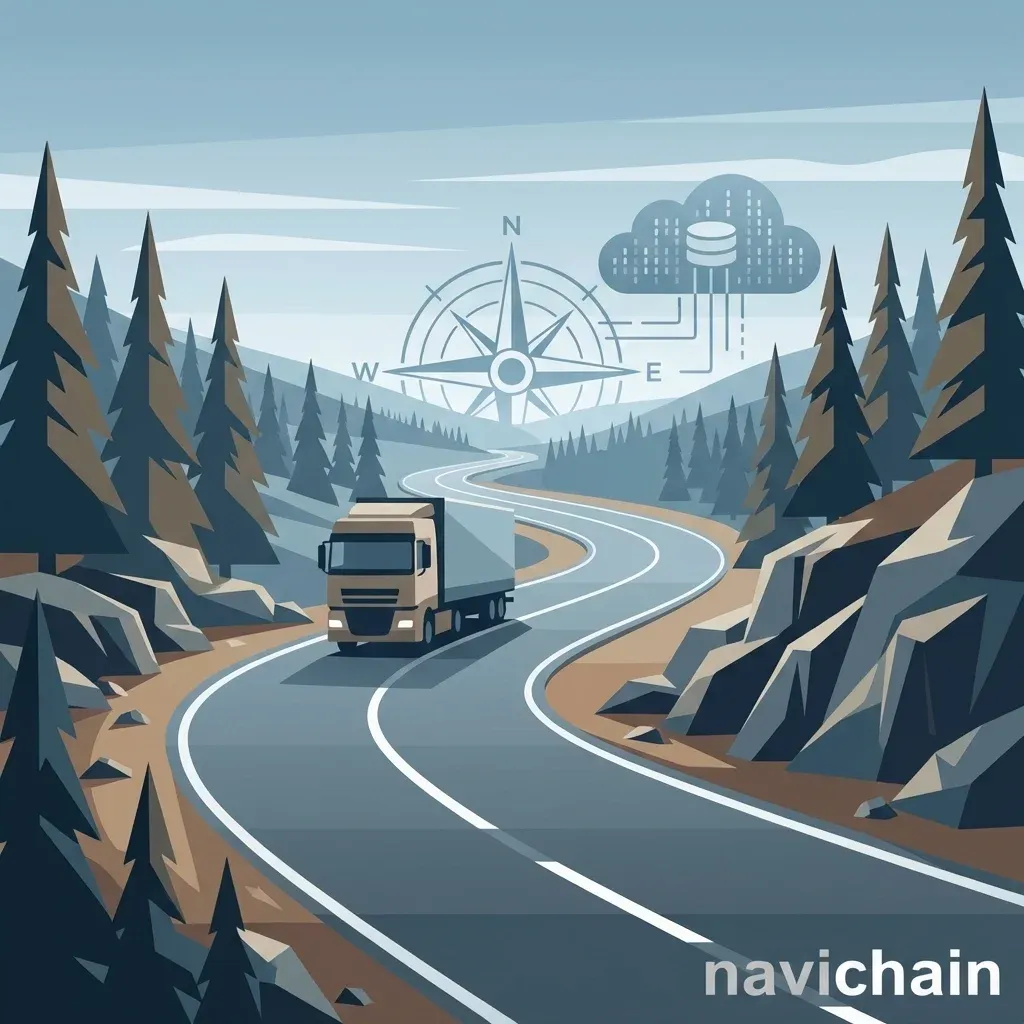
Navichain SaaS: A unified solution that breaks down data silos and gives haulage companies full control over their data, leading to increased profitability and efficiency.
.jpeg)
Navichain provides an overview of the entire logistics chain, enabling optimization and increased profitability. With Navichain, you gain control over your operations and can make data-driven decisions.