New EU regulations for light transport vehicles 2026 – How to meet the requirements with Navichain HaaS

For some years now, the regulations regarding international freight traffic have been tightened. From 1 July 2026, light transport vehicles (2.5–3.5 tonnes, including trailers or semi-trailers) are now also subject to many of the strict rules that previously only applied to heavy trucks.
For many businesses, this means a massive transition with requirements for new technology, increased administration, and ongoing skills development. But it doesn't have to mean an insurmountable administrative burden. With Navichain and Hardware-as-a-Service (HaaS) via Teltonika FMC650, you can meet the requirements quickly, easily, and fully automated.
Changes that come into force
The new EU requirements stipulate a number of changes for haulage companies and transport firms operating across borders.

Figure 2: The risk of sanctions means devastating administrative frustration.
- Tachographs become mandatory: By no later than 1 July 2026, vehicles between 2.5–3.5 tonnes in international freight traffic must be equipped with a smart tachograph (G2V2). However, for purely domestic transport in Sweden, the exemption for tachographs under 3.5 tonnes total weight remains.
- Driving and rest times: Drivers are now fully subject to the regulations on driving and rest times, which places high demands on accurate documentation and monitoring of working hours.
- eCall and technical requirements: eCall (automatic emergency call) is already mandatory for new light trucks (class N1). However, from January 2026, the requirement to check the eCall system during inspection is removed due to the phase-out of 2G/3G networks.
- Risk of sanctions: It has been reported that countries such as France and Germany actively check training, documentation, and correct handling of the equipment. Deficiencies lead to sanction fees and fines.
What is required in practice for the new tachograph ecosystem?
Just buying a digital system is not enough; a physical infrastructure must be in place in the vehicle. To comply with the law and enable automatic remote download, four basic pillars are required.
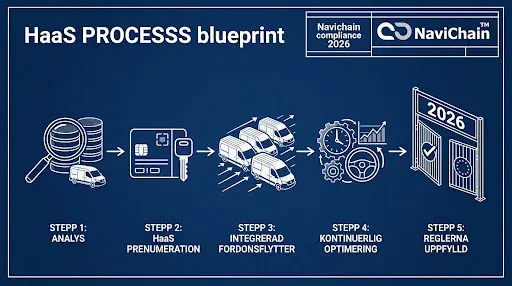
Figure 3: The exact technical flow for HaaS implementation.
1. A type-approved tachograph in the vehicle
The vehicle must be equipped with a physical tachograph of the correct generation (usually Smart Tachograph version 1 or 2 for more modern vehicles).
Where is it located? In heavy trucks or buses, it is usually mounted in a standard radio slot (1-DIN format, ISO 7736), either high up above the windscreen or integrated in the center console. It has a digital display, buttons, and two slots where driver cards are inserted.
2. Accredited installation (Legal requirement)
You cannot buy a tachograph online and screw it in yourself. It must be sold, installed, activated, and sealed by a workshop accredited by Swedac. During installation, the unit is calibrated (e.g., the exact rolling circumference of the wheels is measured). After that, an inspection is required every two years. For a list of certified workshops, see Transportstyrelsen's accredited workshops.
3. Company card (Critical for remote download)
For the software in Navichain to be able to retrieve the data, the tachograph must first be unlocked. This is done with a company card issued by Transportstyrelsen. To enable Remote Download (remote download), the card is normally not placed in the truck but is placed in a storage server or a card reader at the office (hosted via Navichain).
4. Driver cards for all drivers
The drivers must have their personal driver cards from Transportstyrelsen, which are inserted into the physical tachograph at each working shift to register the individual's driving times. Read more about the rules regarding the cards on Transportstyrelsen's information page about tachographs and cards.
Navichain HaaS: How FMC650 automation is solved
Once the physical infrastructure is in place, Navichain steps in as the missing digital link that automates your administration. Through our offer of Hardware-as-a-Service (HaaS), we equip your vehicles with the market-leading telematics unit Teltonika FMC650 – directly integrated into the subscription.
Compatibility and connection
FMC650 works seamlessly with the market's leading tachographs that support remote download, including:
- VDO Continental: DTCO 1.3 and newer (including new Smart Tachograph Gen 2 such as DTCO 4.1).
- Stoneridge Electronics: SE5000 Exakt Duo (rev. 7.3+) and SE5000 Smart 2.
The connection (which is recommended to be done by a workshop) is usually made on the back of the tachograph, in the color-coded C-connector for CAN-bus. Through this cable, FMC650 "talks" to the tachograph.
A complete solution for 199 kr/month
Instead of signing expensive, separate agreements for data retrieval, FMC650 connects the vehicle via the office's company card and asks the tachograph to wirelessly send the .ddd files. The data is then streamed directly into your Navichain TMS.
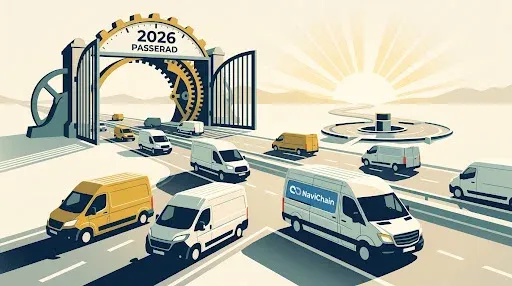
Figure 5: An optimized operation means trouble-free logistics without sanctions.
For only 199 kr/month per vehicle, you ensure:
- Automatic, wireless download of all tachograph data (collection and storage for at least 1 year).
- Real-time control of driving and rest times directly in the dispatch manager's interface.
- Protection against hefty sanction fees abroad.
- A single scalable cloud platform, without hidden fees or expensive integration consultants.
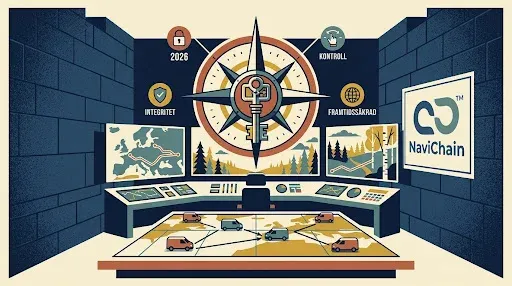
Figure 6: Full sovereignty with a centralized hub for compliance.
Preparations for July 2026 require decisive action, but the actual operation does not need to be complicated. Navichain handles the technology, while you focus on the roads and the business.
References and further reading
For further in-depth information and official guidelines regarding the legal requirements, see the following industry sources:
- Transportstyrelsen – New rules for tachographs: Official vehicle information about smart tachographs and regulations from 2026.
- EU's Mobility Package (Mobility Package I): The European Commission's collected directives on driving and rest times as well as cabotage.
- Trafikverket: Information about traffic rules and professional traffic on Swedish roads.
- Swedac – Accreditation: List of approved and accredited workshops for installation.
- Teltonika Wiki: Technical specification for FMC650 and tachograph solutions.