e-CMR: The Efficiency and Satisfaction Engine

A revolutionary solution for SME logistics owners & managers
Summary
In today's demanding logistics landscape, operational efficiency and customer satisfaction are of utmost importance. Traditional paper-based consignment notes (CMR) constitute a significant bottleneck, hindering real-time visibility, creating administrative burdens, and impacting the customer experience. This white paper explores how electronic consignment notes (e-CMR) can revolutionize your business, drive efficiency, and foster lasting customer relationships. We will delve into the concrete benefits of e-CMR and highlight how it seamlessly integrates with your existing systems to unlock a new level of performance and profitability. This is not just about eliminating paper; it's about building a more agile, responsive, and customer-centric logistics business. Discover how e-CMR, especially when integrated into a comprehensive platform like Navichain, becomes the engine for operational excellence and unparalleled customer satisfaction.
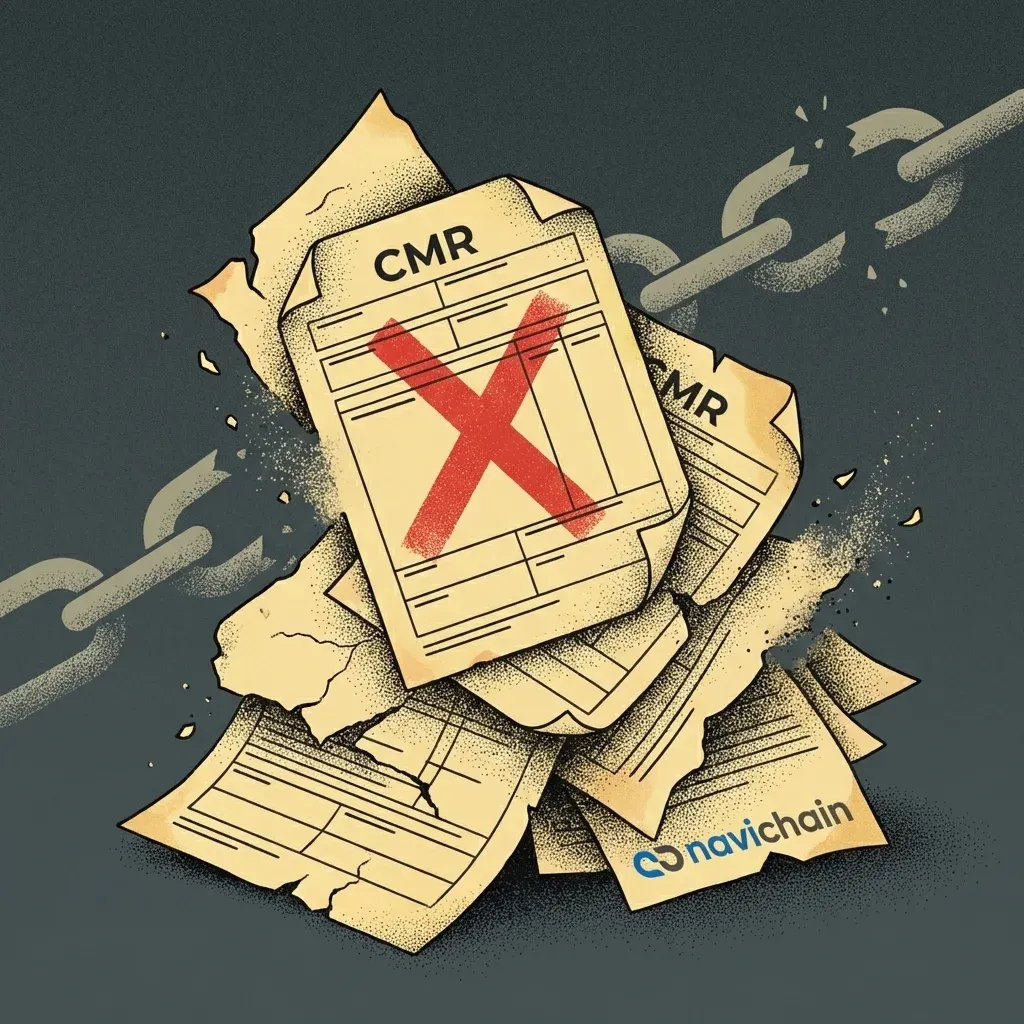
Efficiency Gap: Why Paper Costs You Money & Time
The inefficiency of paper-based CMRs is often underestimated. Consider the hidden costs associated with:
- Manual data entry: Hours spent manually entering data from paper CMRs into your TMS or WMS systems is a drain on resources and prone to errors. These errors can lead to costly billing disputes and inaccurate inventory management.
- Lost or damaged documents: Paper CMRs are easily lost, damaged, or misfiled, creating delays in the payment process and compliance issues. Reconstructing lost documents is a time-consuming and frustrating process.
- Delayed communication: The time it takes for paper CMRs to be physically transported between drivers, warehouses, and back offices delays communication and decision-making. Real-time updates are impossible, hindering your ability to proactively manage potential issues.
- Administrative costs: The sheer volume of paper CMRs requires significant storage space and administrative efforts for archiving, storage, and retrieval. This results in higher overhead costs and reduced productivity.
- Billing discrepancies: Errors and delays in paper-based billing processes lead to customer dissatisfaction and potential revenue loss. Resolving billing disputes requires significant time and effort.
By eliminating paper, e-CMR directly addresses these inefficiencies, frees up valuable resources, and streamlines your operations.
Customer Experience: Why Digital Makes Customers Happier
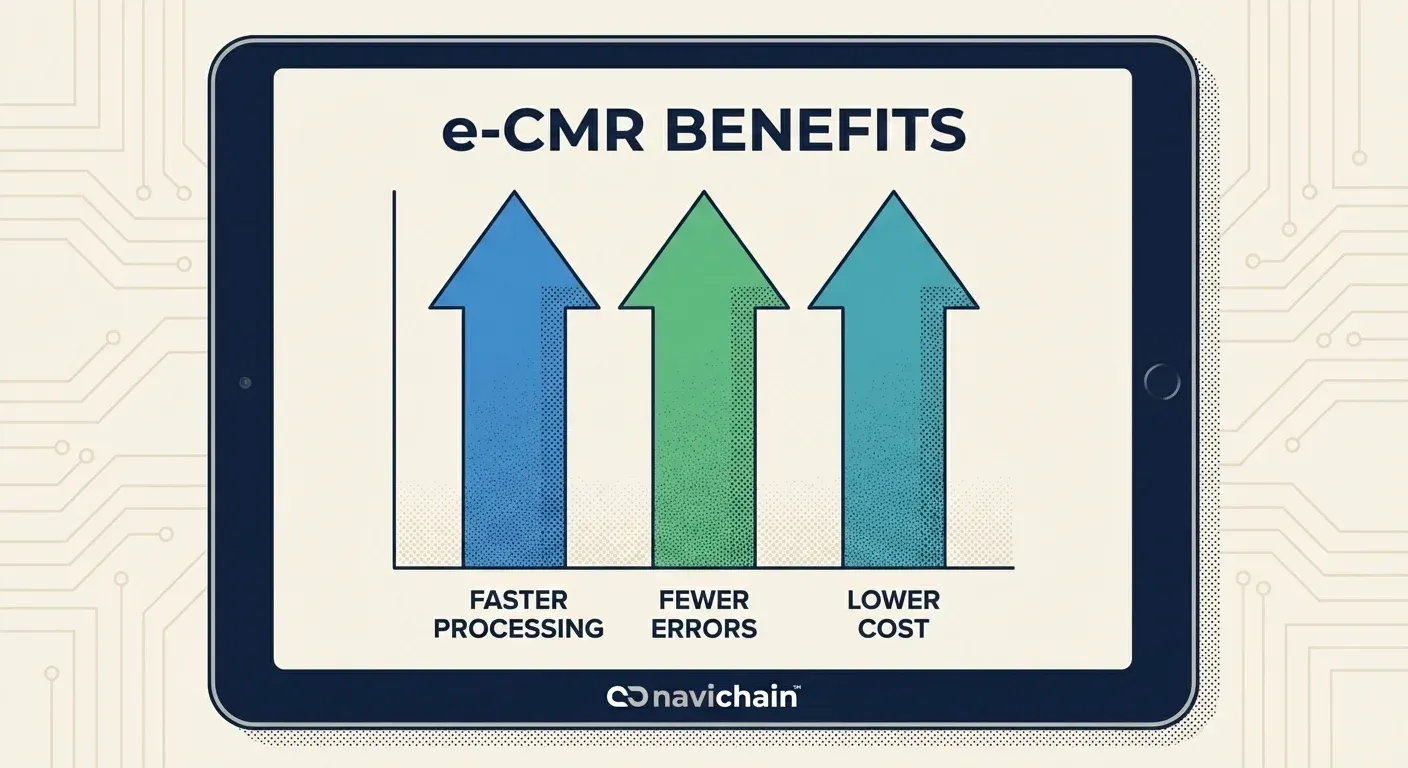
In today's digital age, customers expect real-time visibility and seamless communication. Paper-based CMRs simply cannot deliver the service level that customers demand. e-CMR, on the other hand, offers:
- Real-time tracking & visibility: Customers can track their shipments in real-time, providing them with peace of mind and reducing the need for constant inquiries.
- Proactive communication: Automatic notifications and updates keep customers informed about the status of their shipments, minimizing delays and surprises.
- Faster proof of delivery: Immediate access to electronically signed CMRs provides instant proof of delivery, speeding up the payment process and reducing disputes.
- Improved accuracy: Digital data collection minimizes errors and ensures that customers receive accurate information about their shipments.
- A modern & professional image: Embracing e-CMR demonstrates your commitment to innovation and customer satisfaction, enhancing your reputation in the market.
e-CMR enables you to provide a superior customer experience, fostering loyalty and driving repeat business.
The Advantage of a Unified Platform: Why e-CMR Must Be Part of TMS/WMS, Not a Standalone Solution
While standalone e-CMR solutions offer some benefits, the true power of e-CMR is unleashed when it is seamlessly integrated with your Transportation Management System (TMS) and Warehouse Management System (WMS). This unified platform approach provides:
- End-to-End Visibility: Seamless data flow between your TMS, WMS, and e-CMR systems provides complete visibility across your entire supply chain.
- Automated workflows: Automate key processes such as dispatch, invoicing, and reporting, eliminating manual steps and reducing errors.
- Data-driven insights: Centralized data provides valuable insights into your operations, enabling you to identify areas for improvement and optimize performance.
- Reduced costs: Streamlined processes and improved visibility lead to reduced costs across your organization.
- Improved collaboration: Enhanced communication and collaboration between drivers, haulage companies, warehouse staff, and customers.
A unified platform ensures that e-CMR is not just a standalone solution but an integrated part of your overall logistics ecosystem, driving significant improvements in efficiency and customer satisfaction. It is crucial to choose vendors that offer solutions meeting specific data sovereignty requirements.
Navichain Platform Chapter: Unified Operational Framework
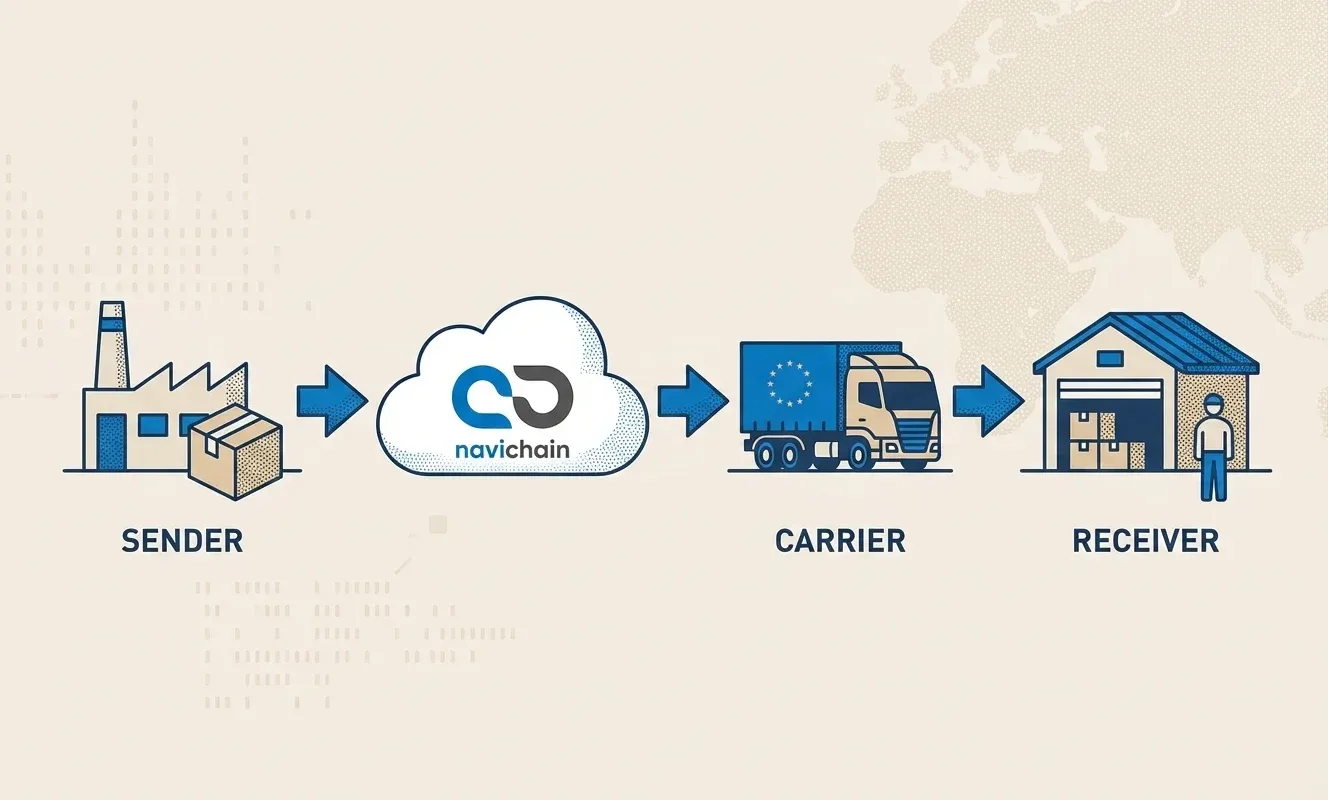
Navichain is more than just e-CMR software. It provides a unified operational framework that seamlessly integrates e-CMR with comprehensive TMS, WMS, and invoicing functions. Navichain eliminates data silos and unlocks a new level of operational efficiency.
- Real-time order management: Efficiently manage orders, track inventory levels, and optimize routes to ensure on-time delivery.
- Automated invoicing: Automatically generate accurate invoices based on e-CMR data, eliminating manual data entry and reducing billing disputes.
- Seamless communication: Facilitate seamless communication between drivers, haulage companies, warehouse staff, and customers via a centralized platform.
- Comprehensive reporting: Gain valuable insights into your operations with customizable reports that track key performance indicators (KPIs).
- Customizable workflows: Tailor workflows to your specific needs, automate key processes, and improve efficiency.
Navichain's unified platform transforms your e-CMR data into actionable insights, enabling you to make informed decisions and optimize your logistics operations. By leveraging Navichain's platform, SMEs can streamline their operations and focus on business growth.
Conclusion
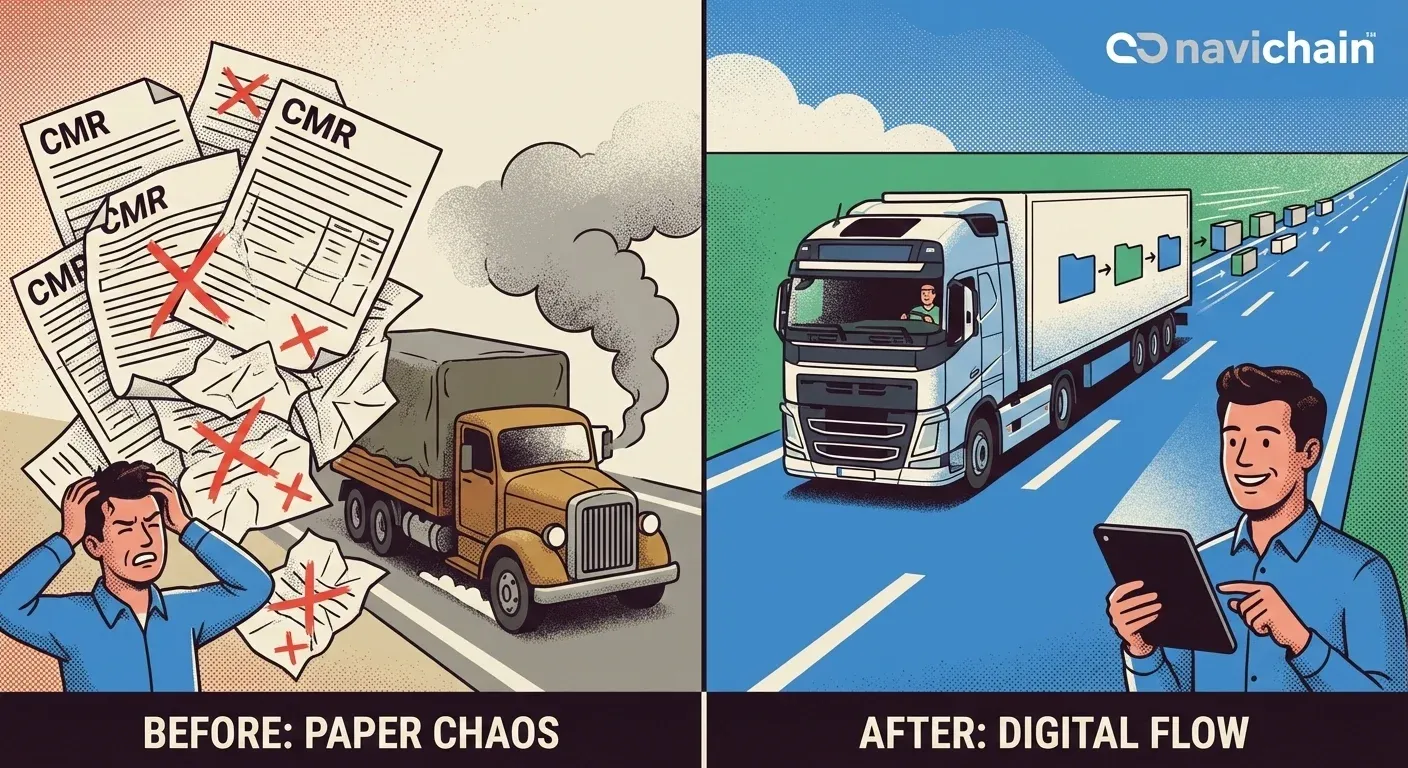
e-CMR is no longer a futuristic concept; it is a practical solution that can significantly enhance the efficiency and customer satisfaction of SME logistics businesses. By embracing e-CMR and integrating it with a unified platform like Navichain, you can unlock a new level of performance, reduce costs, and build stronger customer relationships. The future of logistics is digital, and e-CMR is the key to unlocking that future. Embrace the change and experience the power of e-CMR.
References
- International Road Transport Union (IRU). (2024). e-CMR: The Digital Future of Logistics.
- European Commission. (2025). Electronic Freight Transport Information (eFTI).
- Ti Insight. (2024). Digital Transformation in the European Road Freight Market.
Ready to optimize your supply chain?
Sources
- International Road Transport Union (IRU). (2024). e-CMR: The Digital Future of Logistics.
- European Commission. (2025). Electronic Freight Transport Information (eFTI).
- Ti Insight. (2024). Digital Transformation in the European Road Freight Market.