Beyond the Silo: Why 'Best-of-Breed' is Breaking European Supply Chains
🇬🇧 Read this article in English

Beyond Silo: How European Supply Chains Are Breaking Free
Beyond Silo Best Of Breed Breaking Supply Chains
Summary

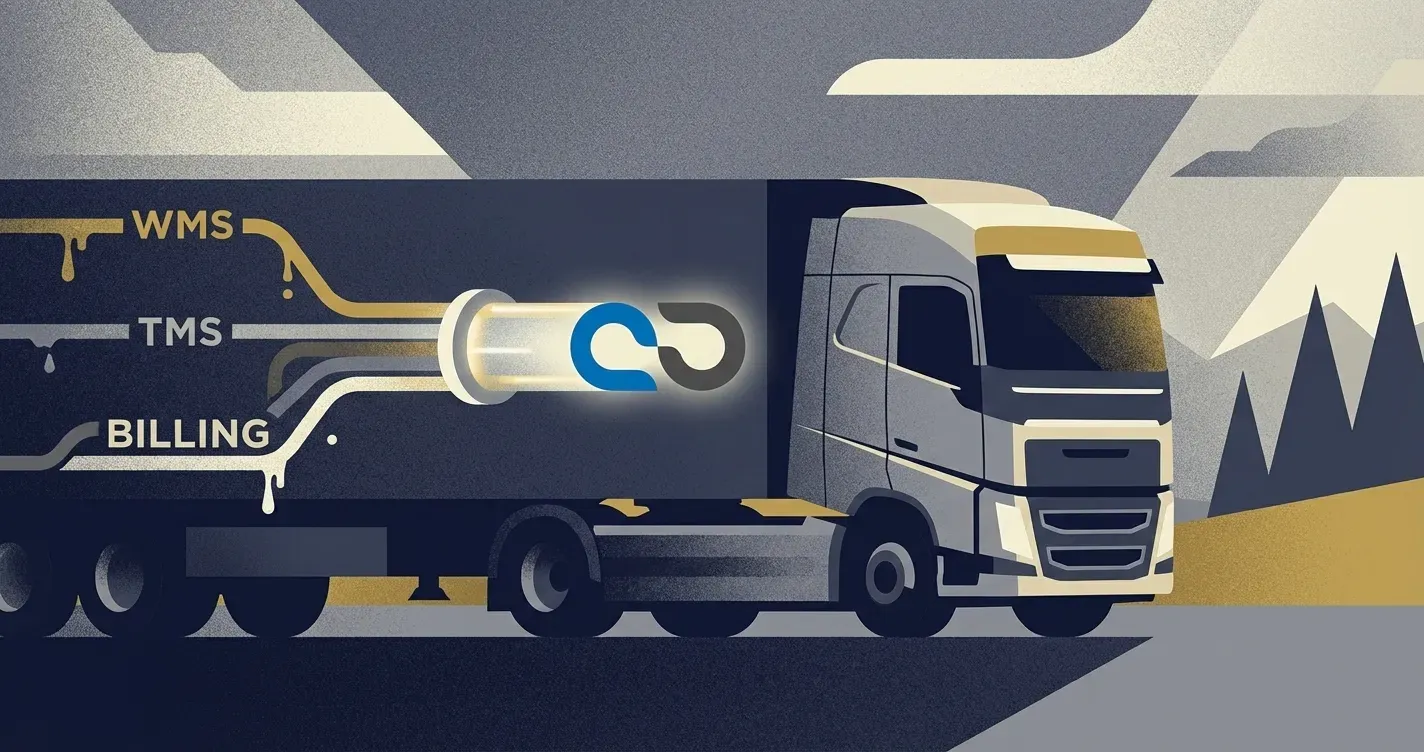
The image illustrates the complex and uncoordinated systems that often characterize the "best-of-breed" approach, leading to inefficiency and lack of visibility in the supply chain.
European small and medium-sized enterprises (SMEs) are increasingly experiencing the negative consequences of a "best-of-breed" strategy for their supply chains. What was originally promised as optimal efficiency has, in practice, resulted in fragmented systems, isolated data silos, and escalating costs. This in-depth report examines the often-overlooked costs of this fragmentation and presents a unified platform as a strategic and long-term solution. By effectively eliminating data silos, automating manual processes, and providing real-time insights, SMEs can transform their supply chains from cost centers to significant competitive advantages. Navichain SaaS, with its Unified OS and AI-driven features, offers a concrete and proven path forward to achieve increased operational efficiency, reduced costs, and enhanced strategic resilience in an increasingly complex and unpredictable global market. By integrating all aspects of the supply chain into a single platform, Navichain enables SMEs to optimize their processes, improve customer service, and increase profitability.
Introduction
In the fast-moving and highly competitive European market, an efficient, agile, and transparent supply chain is an absolute prerequisite for SMEs' long-term success and survival.
In the fast-moving and highly competitive European market, an efficient, agile, and transparent supply chain is an absolute prerequisite for SMEs' long-term success and survival. For many years, the "best-of-breed" strategy, which involves carefully selecting the best specialized software solutions for each specific task within the supply chain, has been a popular and often recommended method for optimizing various aspects of the business. The underlying idea is appealing and intuitive: to implement the most advanced and feature-rich tools for each function, from transport management (TMS) to warehouse management (WMS), order management (OMS), and invoicing. The thought is that each system should be optimized for its specific function, leading to maximum efficiency.
However, reality has proven to be significantly more complex and challenging than the initial theory. Instead of creating a seamless, integrated, and efficient process, the "best-of-breed" strategy has, in many cases, resulted in a fragmented landscape of isolated systems that do not communicate effectively with each other. This has created data silos, increased the need for manual data entry, complicated integrations between systems, and drastically reduced visibility across the entire supply chain. The consequences are significant and far-reaching: increased costs, reduced operational efficiency, poorer customer service, and a diminished ability to quickly and effectively respond to changing market conditions and unexpected disruptions. This fragmentation affects not only internal efficiency but also the ability to collaborate effectively with supply chain partners, further reducing competitiveness.
This report aims to thoroughly examine the hidden costs of fragmented supply chains and to present a unified platform as a strategic solution for European SMEs. We will explore the specific challenges that the "best-of-breed" strategy entails, analyze relevant industry trends and data supporting the need for a more integrated and holistic solution, and present Navichain SaaS as a technology that enables a more efficient, profitable, and resilient supply chain. We will also investigate how AI-driven automation can revolutionize supply chains by optimizing processes, predicting demand, and improving decision-making. The goal is to provide SMEs with a clear understanding of the benefits of a unified platform and how they can implement it to achieve their business goals.
Part 1: The Challenge – The Hidden Costs of Fragmentation
The initial attraction of "best-of-breed" solutions is easy to understand.
The initial attraction of "best-of-breed" solutions is easy to understand. Why compromise with an "all-in-one" solution when you have the opportunity to choose the best tool for each specific task? However, this strategy has proven problematic due to the inherent friction created by these disparate systems. This friction manifests in several critical ways, undermining the efficiency and profitability of SMEs:
- Data Silos: The Major Challenge: Perhaps the most significant challenge is the creation of data silos. Information gets trapped within individual systems, making it extremely difficult to get a holistic and cohesive view of the business. For example, customer order information may be in the CRM system, inventory data in the WMS, and transport information in the TMS. Compiling this information to make well-informed decisions requires manual effort, is time-consuming, and often prone to errors. This hinders real-time decision-making and complicates strategic planning, which relies on incomplete or outdated data. The ability to quickly identify trends, optimize inventory, and respond to market changes is seriously jeopardized. Additionally, the use of advanced analytics and machine learning to optimize processes and predict future needs is hindered. Data silos also impede effective collaboration between different departments within the company, leading to misunderstandings and inefficiency.
- Manual Data Entry and Processing: A Time-Consuming Process: Moving data between systems often requires manual entry and processing. This is not only time-consuming but also a source of potential errors. Employees must spend valuable time transferring data instead of focusing on more strategic activities such as customer relations, product development, and marketing. Additionally, the risk of human error in manual data entry increases, which can lead to incorrect reports, incorrect orders, and dissatisfied customers. This inefficiency affects not only operational efficiency but also employee morale and engagement. Constantly having to handle data manually can lead to frustration and reduced productivity.
- Complex and Costly Integrations: An Expensive Affair: Integrating "best-of-breed" solutions is often a complex and costly process. Each system may have its own unique APIs and data structures, requiring custom integrations. Even when integrations are successful, they can be fragile and require ongoing maintenance and updates. The costs of integration can quickly escalate, straining the IT budget and diverting resources from other important projects. Additionally, integrations can create bottlenecks and delays in data flow, further reducing efficiency. Managing different vendors and their specific integrations also increases administrative complexity. Integrating systems often requires specialized expertise, which can be difficult and expensive to find.
- Lack of Real-Time Visibility: A Dark Supply Chain: With data spread across multiple systems, it is difficult to get a real-time view of the entire supply chain. This makes it difficult to track key performance indicators (KPIs) and identify areas for improvement. The lack of visibility hinders operational efficiency and makes it difficult to quickly respond to changing market conditions. For example, it can be difficult to identify bottlenecks in the delivery process, optimize inventory, or proactively manage potential disruptions. This lack of transparency also complicates the ability to optimize resource allocation and improve customer service. Without real-time insights, SMEs cannot make quick and well-informed decisions, which can lead to missed opportunities and increased risks.
- Increased Administrative Costs and Complexity: A Heavy Burden: Managing multiple vendors, contracts, and support channels increases the administrative burden and consumes valuable time and resources that could be better spent on core business activities. Each vendor has its own support processes, billing routines, and agreements, requiring significant administrative effort. Additionally, it can be difficult to coordinate updates and maintenance between different systems, which can lead to compatibility issues and downtime. This fragmentation of responsibility and support increases the risk of misunderstandings and delays. Managing multiple vendors also requires more time and resources to ensure that all systems are functioning correctly and that data is synchronized.
The cost of inaction is significant and can be directly detrimental to SMEs' competitiveness and long-term survival. Inefficient supply chains lead to:
- Lost Revenue: A Direct Consequence: Delays, incorrect orders, and dissatisfied customers directly result in lost revenue and damage the company's reputation. A poor reputation can be difficult to recover from and can affect future sales.
- Increased Costs: An Economic Burden: Manual data entry, complex integrations, and increased administrative costs increase total operating costs and reduce profitability. These costs can quickly erode profit margins and make it difficult for SMEs to invest in growth.
An example of how lack of visibility in the supply chain can lead to increased administrative costs and lost revenue for SMEs.
- Reduced Competitiveness: A Struggle to Keep Up: SMEs with inefficient supply chains struggle to compete with larger companies that have more resources and advanced systems. Larger companies can leverage economies of scale and invest in advanced technology, giving them a competitive edge.
- Limited Growth: A Brake on Expansion: Fragmented systems hinder the ability to scale the business and expand into new markets. Expanding requires an efficient and scalable supply chain, which is difficult to achieve with isolated systems.
Part 2: Context/Data – Industry Trends and Paradoxes
The European market is characterized by a paradox: while digitalization is increasing at a rapid pace, many SMEs are still struggling to integrate their systems effectively.
The European market is characterized by a paradox: while digitalization is increasing at a rapid pace, many SMEs are still struggling to integrate their systems effectively. Several industry trends underscore the need for a more integrated and holistic strategy:
- Increasing Complexity in Supply Chains: A Challenge for All: Globalization and increasing customer demands have led to more complex and dynamic supply chains. SMEs must be able to manage a larger number of suppliers, customers, and distribution channels. This requires a more sophisticated and integrated solution to manage all aspects of the supply chain.
- Increased Focus on Customer Experience: A Key to Success: Customers expect fast and reliable deliveries, as well as transparent information about their orders. SMEs must be able to deliver an excellent customer experience to maintain competitiveness. An integrated supply chain enables SMEs to track orders in real-time and provide customers with updates on delivery status.

Illustration of the challenges many SMEs face in integrating different systems to effectively manage their supply chains.
- Need for Agility and Resilience: A Lesson from Crises: Unpredictable events, such as pandemics and geopolitical tensions, have shown the importance of agile and resilient supply chains. SMEs must be able to quickly adapt to changing conditions and minimize disruptions. An integrated platform enables SMEs to quickly identify and manage risks in the supply chain.
- Emergence of New Technology: An Opportunity for Transformation: Artificial intelligence (AI), machine learning (ML), and the Internet of Things (IoT) offer new opportunities to optimize supply chains. However, to leverage these technologies, SMEs must have an integrated data platform. AI can be used to predict demand, optimize inventory, and automate processes.
Statistics underscore the need for change and investment in integrated systems:
- According to a report from the European Commission, SMEs that have fully embraced digital technology are on average 26% more profitable than those that have not. This shows the significant potential for digitalization to improve profitability.
- A study from Gartner shows that companies investing in integrated supply chain solutions achieve on average 15% lower operating costs and 5% higher revenues. This underscores the economic benefits of an integrated strategy.
- A survey from McKinsey & Company shows that companies with transparent supply chains are 30% more likely to effectively identify and manage risks. This highlights the importance of visibility in the supply chain to ensure resilience.
- According to Eurostat, only 41% of European SMEs have implemented some form of cloud-based solution. This indicates that there is significant potential for SMEs to leverage cloud-based platforms to improve their supply chain.
These trends and statistics underscore the need for a strategic shift from "best-of-breed" solutions to a more integrated and holistic strategy for the supply chain. SMEs that do not adapt to these changes risk falling behind their competitors and missing opportunities for growth and profitability.
Part 3: The Strategic Solution – A Unified Platform
The strategic solution to the challenges of fragmented supply chains lies in implementing a unified platform.
The strategic solution to the challenges of fragmented supply chains lies in implementing a unified platform. This platform serves as a central operating system (OS) for the entire supply chain, eliminating data silos, automating processes, and providing real-time visibility. A unified platform offers a range of advantages compared to "best-of-breed" solutions:
- Elimination of Data Silos: A Central Data Source: A unified platform consolidates all data from different parts of the supply chain into a central data source. This provides a holistic and cohesive view of the business, enabling better decision-making and strategic planning. With a central data source, SMEs can quickly and easily access the information they need to optimize their processes and improve customer service.
Schematic illustration of how a unified platform integrates various functions in the supply chain, eliminating data silos and enabling centralized information flow.
- Automation of Manual Processes: Increased Efficiency: A unified platform automates many of the manual processes associated with "best-of-breed" solutions. This frees up time and resources that can be used for more strategic activities. Automation can include everything from order management and invoicing to warehouse management and transport planning.
- Real-Time Visibility: Full Transparency: A unified platform provides real-time visibility across the entire supply chain. This enables SMEs to track key performance indicators (KPIs) and identify areas for improvement. With real-time insights, SMEs can quickly respond to changing market conditions and minimize disruptions.
- Improved Collaboration: Unified Communication: A unified platform facilitates collaboration between different departments within the company and with partners in the supply chain. This leads to better communication, increased efficiency, and improved customer service. With a common platform, all involved parties can easily share information and collaborate on common goals.
- Scalability and Flexibility: Adapting to Growth: A unified platform is scalable and flexible, enabling SMEs to adapt to changing business needs and expand into new markets. The platform can easily be adapted to support new products, services, and distribution channels.
- Reduced Costs: Increased Profitability: By eliminating data silos, automating processes, and improving visibility, a unified platform can help reduce costs and increase profitability. Reduced costs can include everything from lower operating costs and reduced inventory costs to improved customer service and increased sales.
The theoretical foundation for this strategy is based on the principles of systems thinking and process optimization. Systems thinking involves viewing the supply chain as a complex system of interconnected parts, where changes in one part of the system can affect other parts. By optimizing the entire system instead of focusing on individual parts, SMEs can achieve significant improvements in efficiency and profitability. Process optimization involves identifying and eliminating bottlenecks and inefficiencies in the supply chain. By automating processes and improving visibility, SMEs can reduce costs and improve customer service.
Part 4: The Enabler Technology (Navichain) – A Unified Operating System for Exceptional Supply Chains
Navichain SaaS represents a groundbreaking solution to address the challenges described above. It is a unified platform designed to integrate all aspects of the supply chain into a single, cohesive operating system (Unified OS). By eliminating data silos, automating processes, and providing real-time visibility, Navichain enables SMEs to transform their supply chains from cost centers to significant competitive advantages.
Navichain SaaS – A Complete Solution: Navichain SaaS is a cloud-based platform that offers a range of features to manage all aspects of the supply chain, including:
- Order Management (OMS): Automate the order process from order placement to delivery.
- Warehouse Management (WMS): Optimize inventory management and reduce inventory costs.
- Transport Management (TMS): Plan and optimize transportation to reduce costs and improve delivery times.
- Invoicing and Payment: Automate the invoicing process and manage payments efficiently.

A visual example of how Navichain breaks down silos and creates a cohesive view of the entire supply chain.
- Reporting and Analytics: Gain real-time insights into the performance of the supply chain and identify areas for improvement.
Unified OS – A Cohesive Platform: Navichain's Unified OS is the heart of the platform. It provides a central data source and a unified user interface for all functions. This eliminates data silos and makes it easy for users to access the information they need. Unified OS also enables seamless integration with other systems, such as CRM and ERP, providing a holistic view of the business.
AI-Driven Automation – Intelligent Optimization: Navichain uses AI-driven automation to optimize processes and improve decision-making. AI can be used to:
- Predict Demand: Use machine learning to predict demand and optimize inventory management.
- Optimize Transport Routes: Plan the most efficient transport routes to reduce costs and improve delivery times.
- Automate Order Management: Automate the order process from order placement to delivery.
A visual example of how Navichain breaks down silos and creates a cohesive view of the entire supply chain.
- Identify Risks: Identify potential risks in the supply chain and suggest actions to minimize disruptions.
By combining a unified platform with AI-driven automation, Navichain enables SMEs to achieve significant improvements in efficiency, profitability, and resilience.
Part 5: Business Outcomes – Return on Investment, Efficiency Gains, Strategic Resilience
The implementation of Navichain SaaS results in a range of concrete business outcomes for European SMEs:
- Increased Operational Efficiency: By automating manual processes and eliminating data silos, SMEs can reduce the time and resources required to manage the supply chain. This frees up time for employees to focus on more strategic activities. Studies have shown that companies implementing a unified platform can reduce their operating costs by up to 20%.
- Reduced Costs: By optimizing inventory management, planning efficient transport routes, and automating invoicing, SMEs can significantly reduce their costs. Reduced costs can include everything from lower inventory costs and transport costs to reduced administrative costs.
- Improved Customer Service: By providing customers with transparent information about their orders and ensuring fast and reliable deliveries, SMEs can improve customer service and increase customer satisfaction. Satisfied customers are more likely to return and recommend the company to others.
- Increased Strategic Resilience: By having an integrated and transparent supply chain, SMEs can quickly adapt to changing market conditions and minimize disruptions. This makes them more resilient to unpredictable events, such as pandemics and geopolitical tensions.
- Increased Profitability: By reducing costs, improving customer service, and increasing operational efficiency, SMEs can increase their profitability and improve their competitiveness. Increased profitability provides SMEs with the opportunity to invest in growth and innovation.
- Faster ROI: The investment in Navichain SaaS pays off quickly through the significant improvements in efficiency, profitability, and resilience that the platform provides. Many companies experience an ROI within 12-18 months after implementation.
By investing in Navichain SaaS, European SMEs can transform their supply chains and achieve significant business outcomes. The platform enables them to compete effectively in the global market and ensure long-term success.
Conclusion

Navichain SaaS enables a transparent and integrated supply chain, leading to increased resilience and profitability for European SMEs.
In an increasingly complex and competitive European market, an efficient and resilient supply chain is crucial for SMEs' success. The "best-of-breed" strategy, once considered the optimal solution, has in many cases proven problematic, resulting in fragmented systems, isolated data silos, and escalating costs.
The strategic solution lies in implementing a unified platform like Navichain SaaS. By integrating all aspects of the supply chain into a single, cohesive operating system (Unified OS) and leveraging AI-driven automation, Navichain enables SMEs to eliminate data silos, automate processes, improve visibility, and achieve significant improvements in efficiency, profitability, and resilience.
Continuing with a fragmented supply chain is no longer a sustainable option for European SMEs. To compete effectively in the global market and ensure long-term success, they must embrace a more integrated and holistic strategy. Navichain SaaS offers a concrete and proven path forward to achieve this goal. By investing in Navichain SaaS, SMEs can transform their supply chains from cost centers to significant competitive advantages and secure their place in the future of the European economy. The time to act is now.
References
- European Commission (2020). EU's strategy for sustainable and smart mobility
- International Road Transport Union (IRU) (2023). IRU's innovation agenda for road transport
- McKinsey & Company (2022). The next frontier in supply-chain management
- Gartner (2023). Gartner Supply Chain Top 25 for 2023
- Transportstyrelsen (2023). Freight transport by road
Navichain enables transparency and traceability throughout the supply chain, increasing efficiency and reducing risks. A visualized overview of a potential Navichain network.

An example of how a Navichain network can visualize the flow of information through a complex supply chain, contributing to increased traceability and coordination.