logistics

15 articles
New EU Regulations for Light Transport Vehicles 2026 – Solving Requirements with navichain HaaS
tachograph

New EU Regulations for Light Transport Vehicles 2026 – Solving Requirements with navichain HaaS

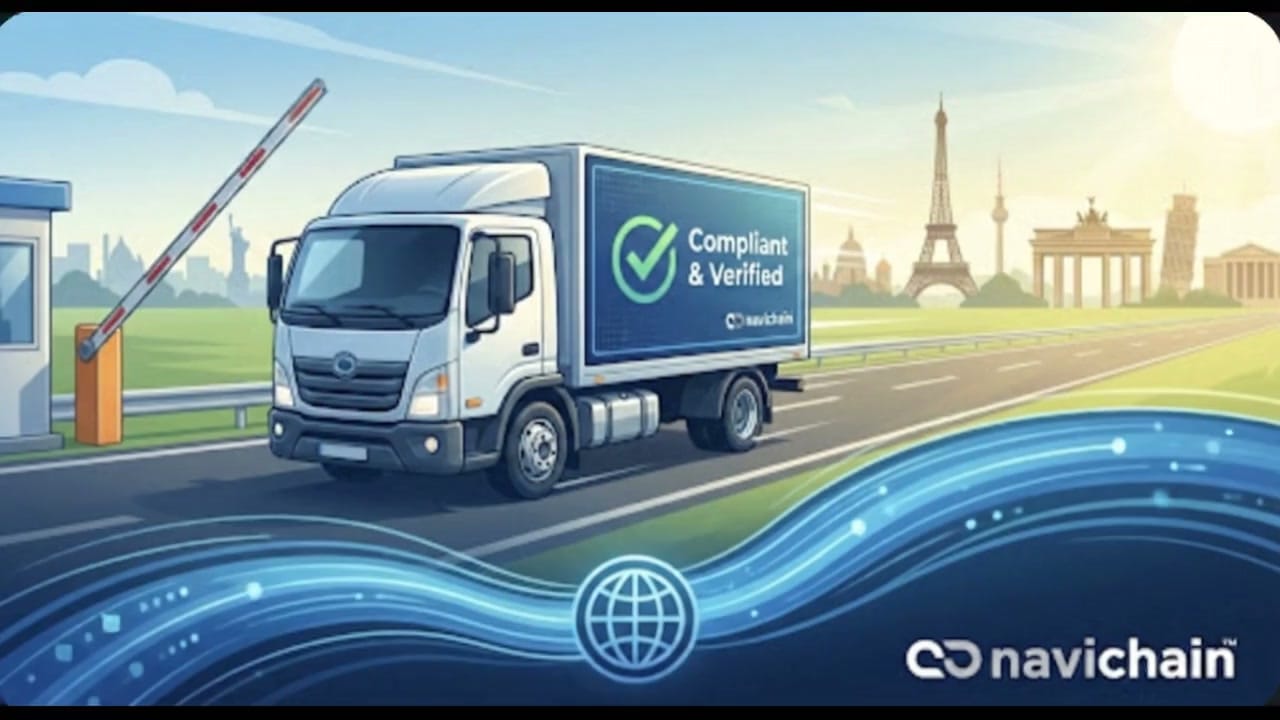
For some years now, the regulations surrounding international freight traffic have been tightening. Starting July 1, 2026, light transport vehicles (2.5–3.5 tons, including trailers or semi-trailers) will now be subject to many of the strict rules previously reserved exclusively for heavy goods vehicles (HGVs). For many businesses, this entails a massive transition requiring new technology, increased administration, and ongoing skills development. But it does not have to mean insurmountable red

· 4 min read
5 Steps to Simpler Everyday Life for Haulage Owners: Automate Your Administration
White Paper

5 Steps to Simpler Everyday Life for Haulage Owners: Automate Your Administration

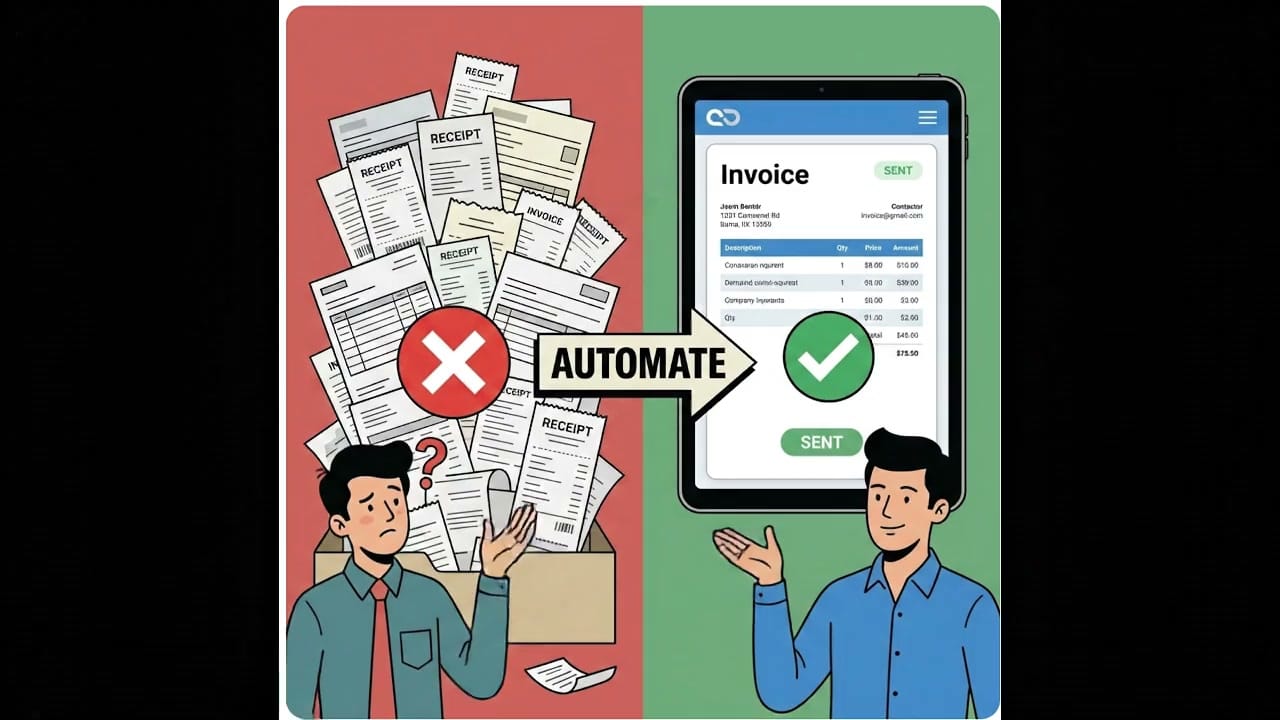
To simplify your haulage business and reduce administrative complexity, you need to transition from manual paperwork to an integrated Transportation Management System (TMS). By following 5 steps—digitizing consignment notes (e-CMR), automating invoicing, utilizing driver apps, implementing real-time tracking, and securing data sovereignty—you can drastically improve cash flow and operational control. Key Takeaways / Executive Summary: * The Burden of Complexity: Manual paperwork and fragmente

· 4 min read
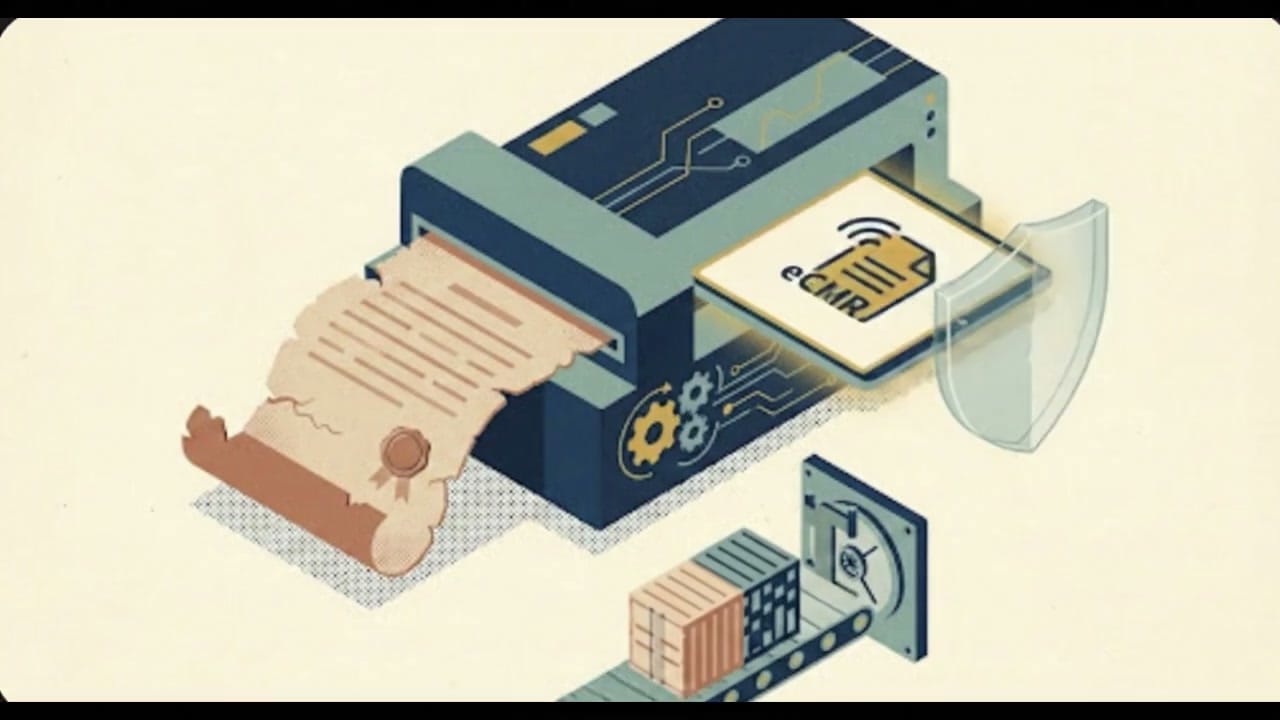
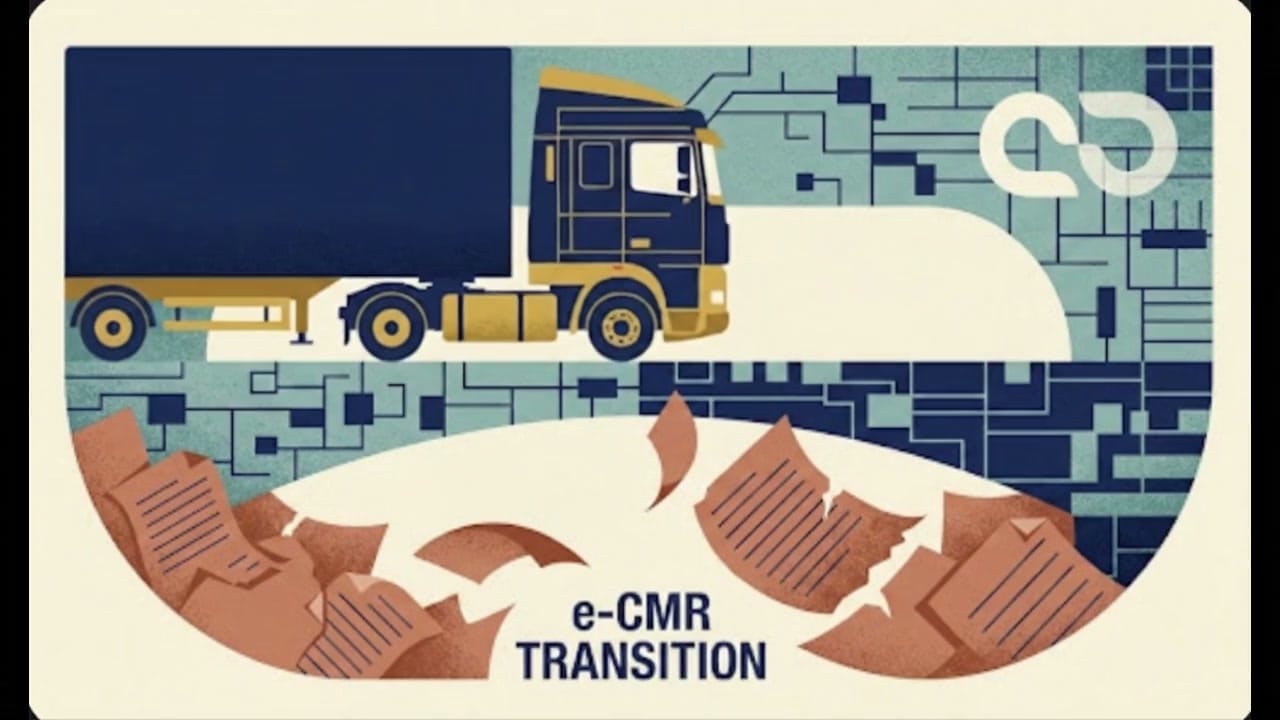
Maximize Efficiency: Save Time and Money with e-CMR for €29/mo
e-CMR

Maximize Efficiency: Save Time and Money with e-CMR for €29/mo

🇸🇪 Läs artikeln på svenska Executive Summary For many Small and Medium-sized Enterprises (SME) in haulage, paperwork is a daily struggle that eats into both time and profit margins. Complex waybills, lost documents, incomplete proofs of delivery, and slow invoicing processes create an administrative bottleneck that hinders growth. This white paper explores how digitizing waybills (e-CMR) is not just a matter of meeting upcoming EU regulations (eFTI), but a powerful lever for immediate effic

· 8 min read
Dispatcher Brain Drain: When Experience Retires
Brain Drain

Dispatcher Brain Drain: When Experience Retires

🇸🇪 Läs artikeln på svenska The transport industry is facing a demographic cliff edge. We call it the "Silver Tsunami." Across Europe and North America, a staggering 30% of the logistics workforce is expected to retire by 2030. These aren't just employees; they are the "Tribal Elders" of the supply chain. They hold the unwritten codes, the personal relationships, and the intuitive problem-solving skills that keep goods moving. When they leave, they take the company's brain with them. Executi

· 4 min read
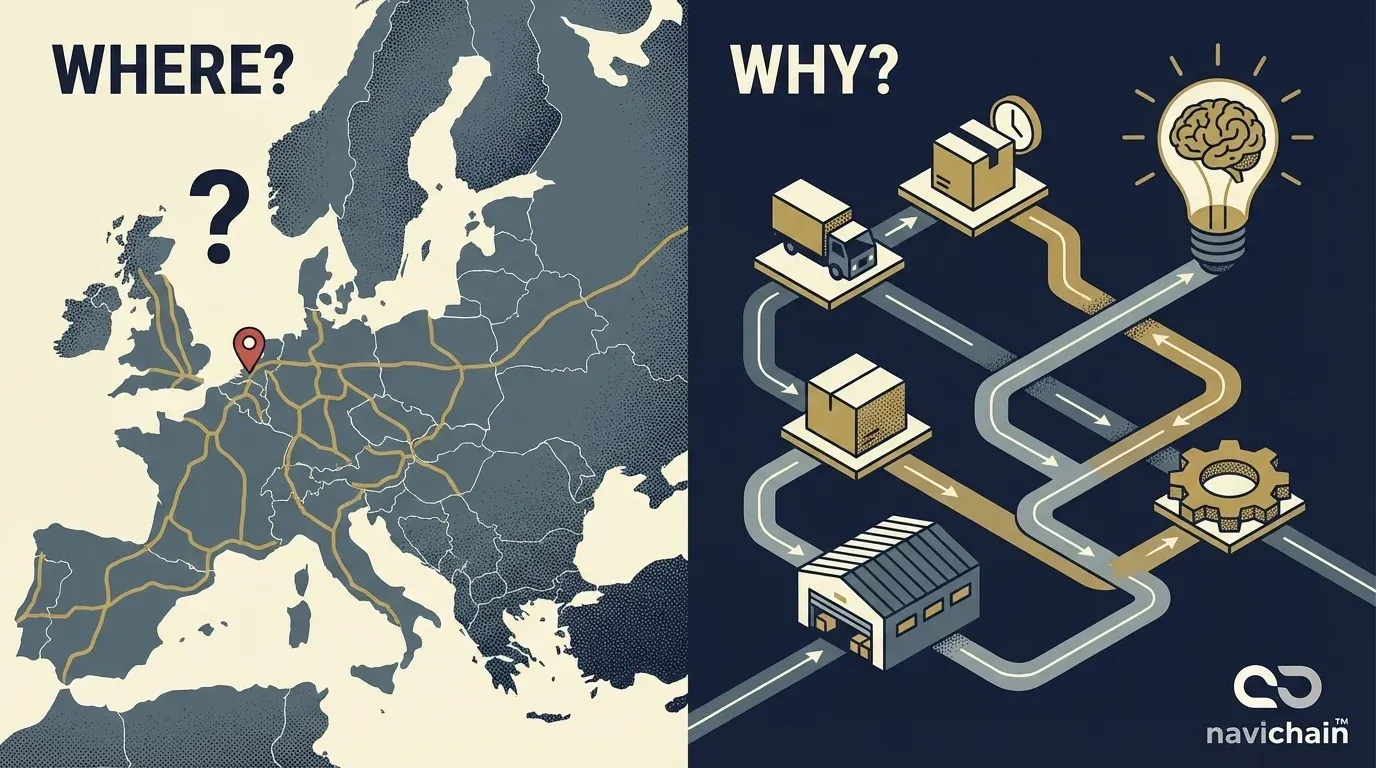
Why vs. Where: Bridging the Context Gap in Telematics and Regaining Control
Telematics

Why vs. Where: Bridging the Context Gap in Telematics and Regaining Control

🇸🇪 Läs artikeln på svenska In today's competitive landscape, businesses reliant on vehicle fleets require more than just location data. Traditional telematics systems tell you where your vehicles are, but fail to explain why. This context gap leads to inefficiencies, increased operational costs and a lack of strategic insight. Navichain offers a revolutionary approach: Contextual Telematics. By seamlessly integrating order and project data into the GPS stream, Navichain provides the complete

· 4 min read
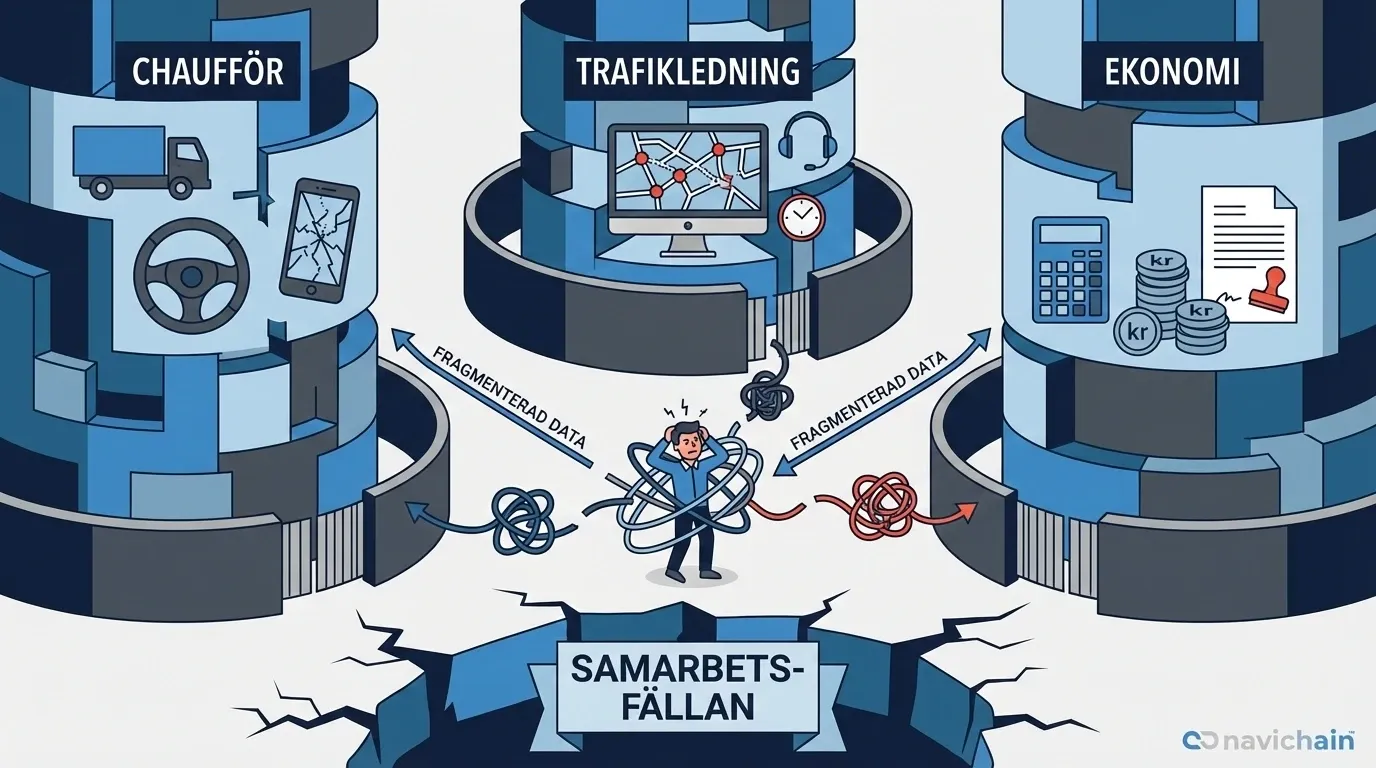
The Collaboration Trap: Why Fragmented Data Dooms Continuous Improvements
logistics

The Collaboration Trap: Why Fragmented Data Dooms Continuous Improvements

🇸🇪 Läs artikeln på svenska Central Thesis: Successful and sustainable quality development in logistics is operationally impossible without a unified data architecture. Companies attempt to build a culture of collaboration on a technical foundation of fragmented data silos, creating a paradox where attempts to optimise one function (such as route planning) inevitably create data conflicts and extra work for another (such as invoicing). The Collaboration Trap: Why Fragmented Data Dooms Continu

· 11 min read
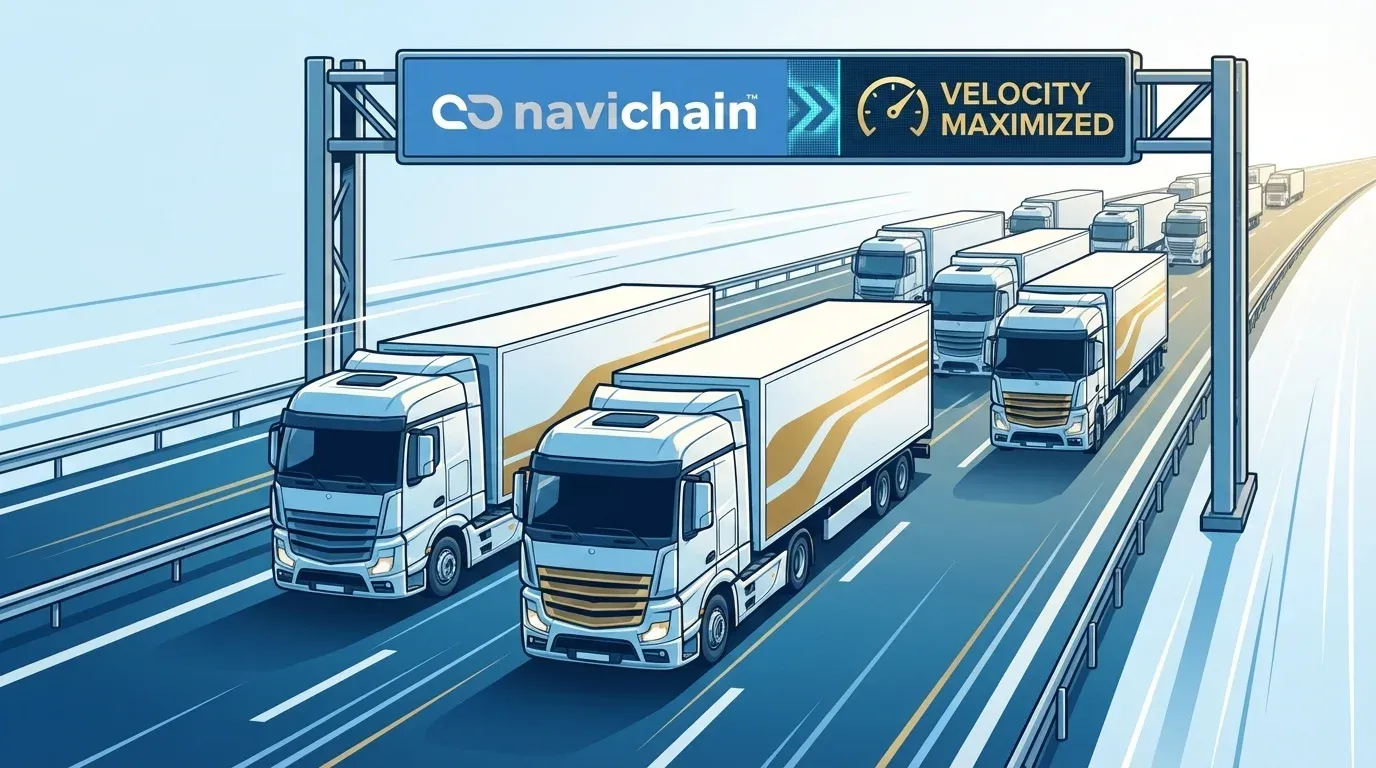
The Efficiency Dividend: Transforming Telematics from Observation to Orchestration
logistics

The Efficiency Dividend: Transforming Telematics from Observation to Orchestration

🇸🇪 Läs artikeln på svenska The logistics industry stands at a critical juncture. While investment in telematics solutions has become commonplace, the vast majority of businesses are only scratching the surface of its potential. They are trapped in a cycle of “passive data” – tracking vehicles as mere “dots on a map” without leveraging the real-time insights for dynamic operational adjustments. This white paper argues that the true value of telematics lies not in simple observation, but in aut

· 7 min read