Kundkommunikation logistik
The Communication Gap: How Fragmented Customer Communication Creates a Hidden Operational Tax
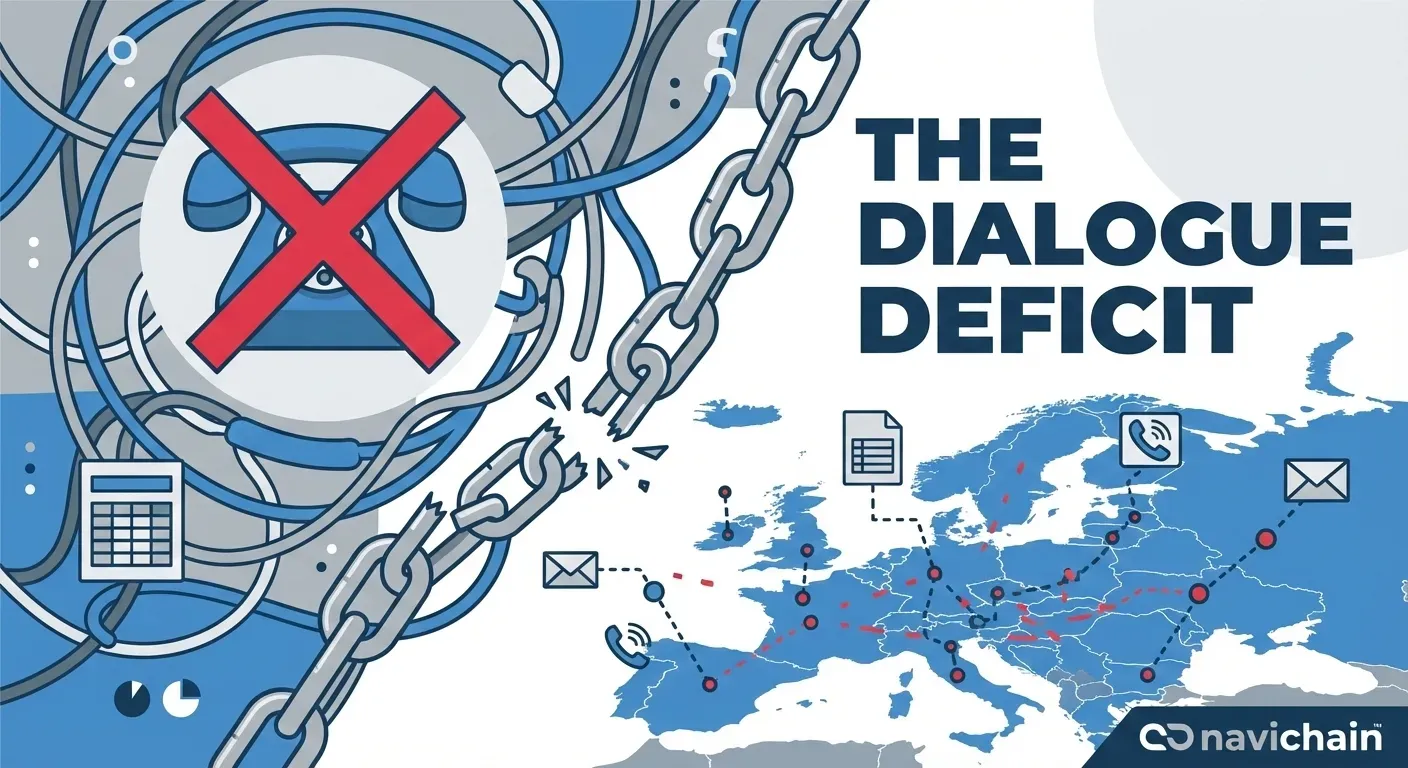
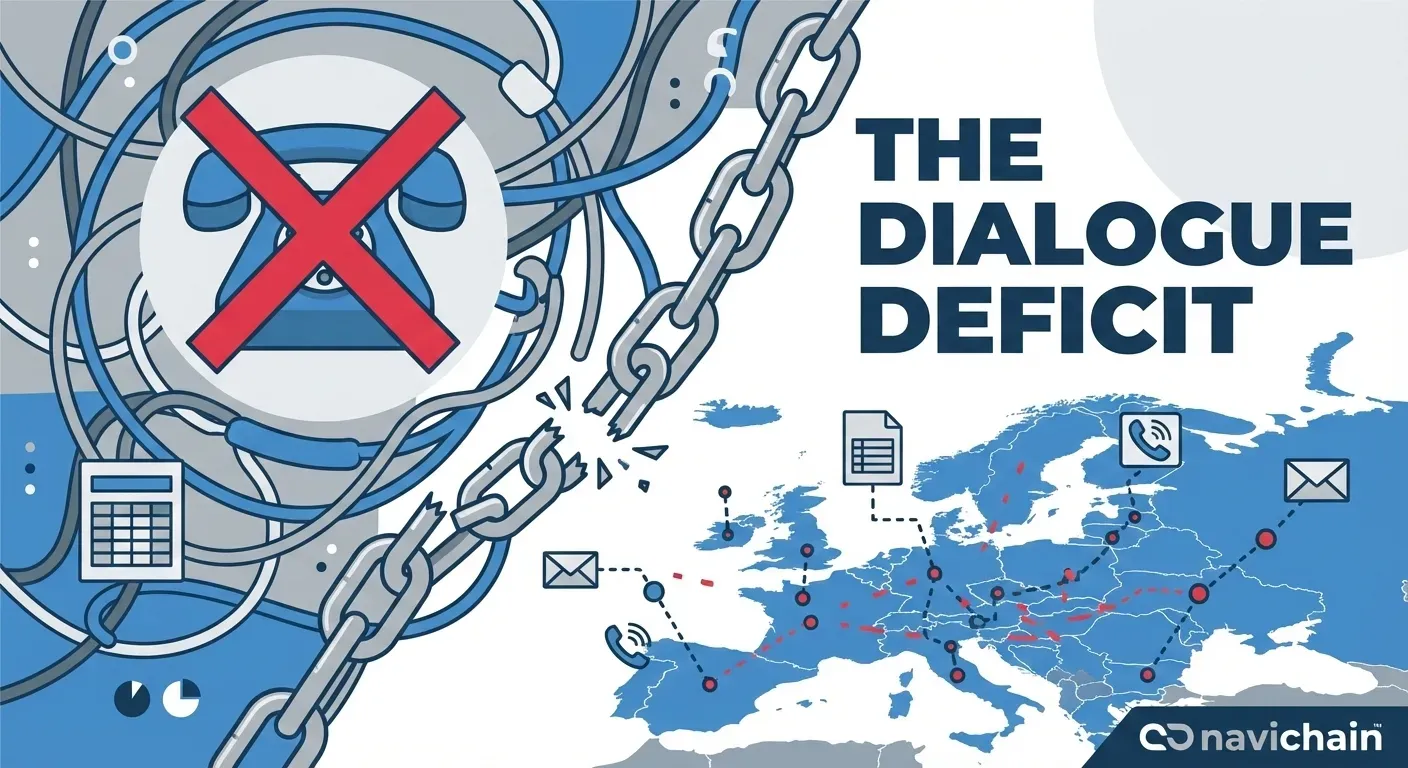
The Dialogue Deficit: How Fragmented Customer Communication Creates Hidden Operational Costs
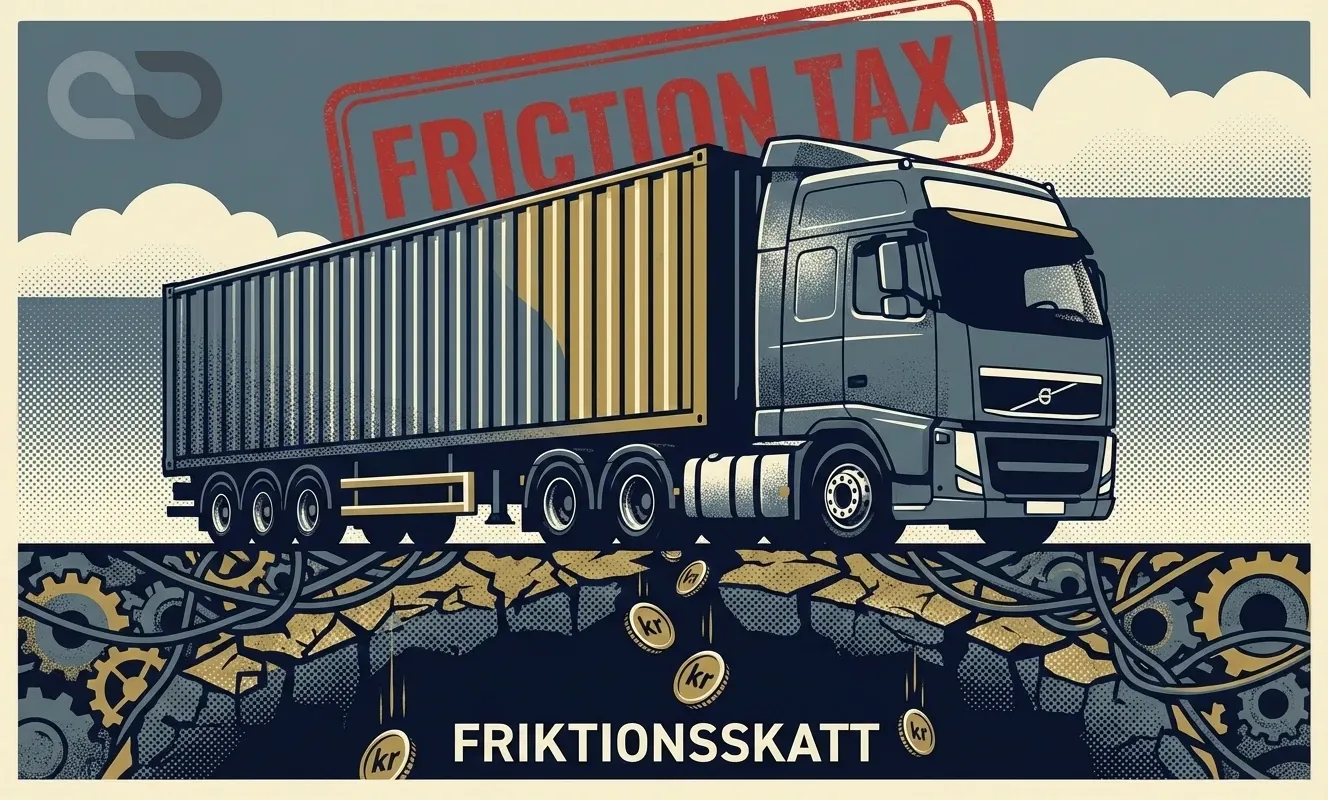
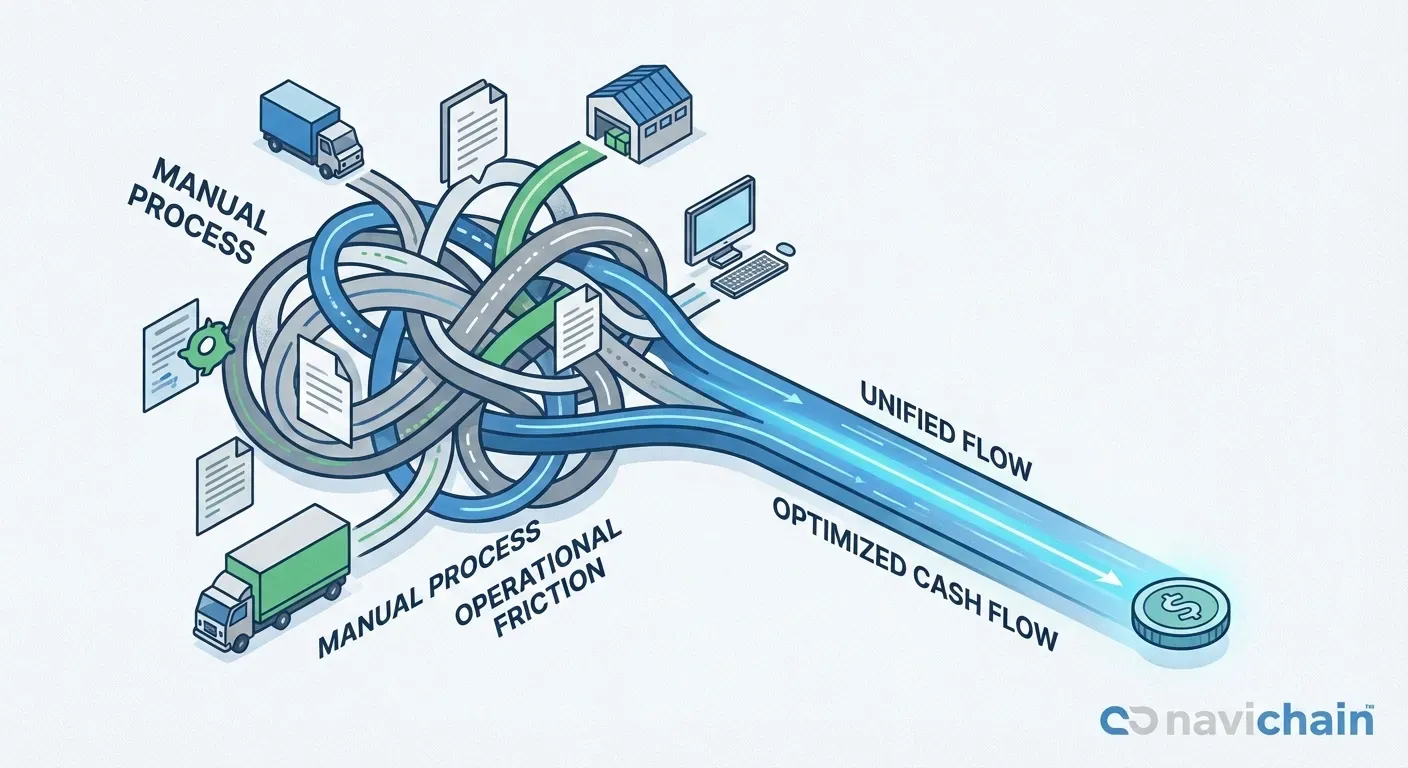
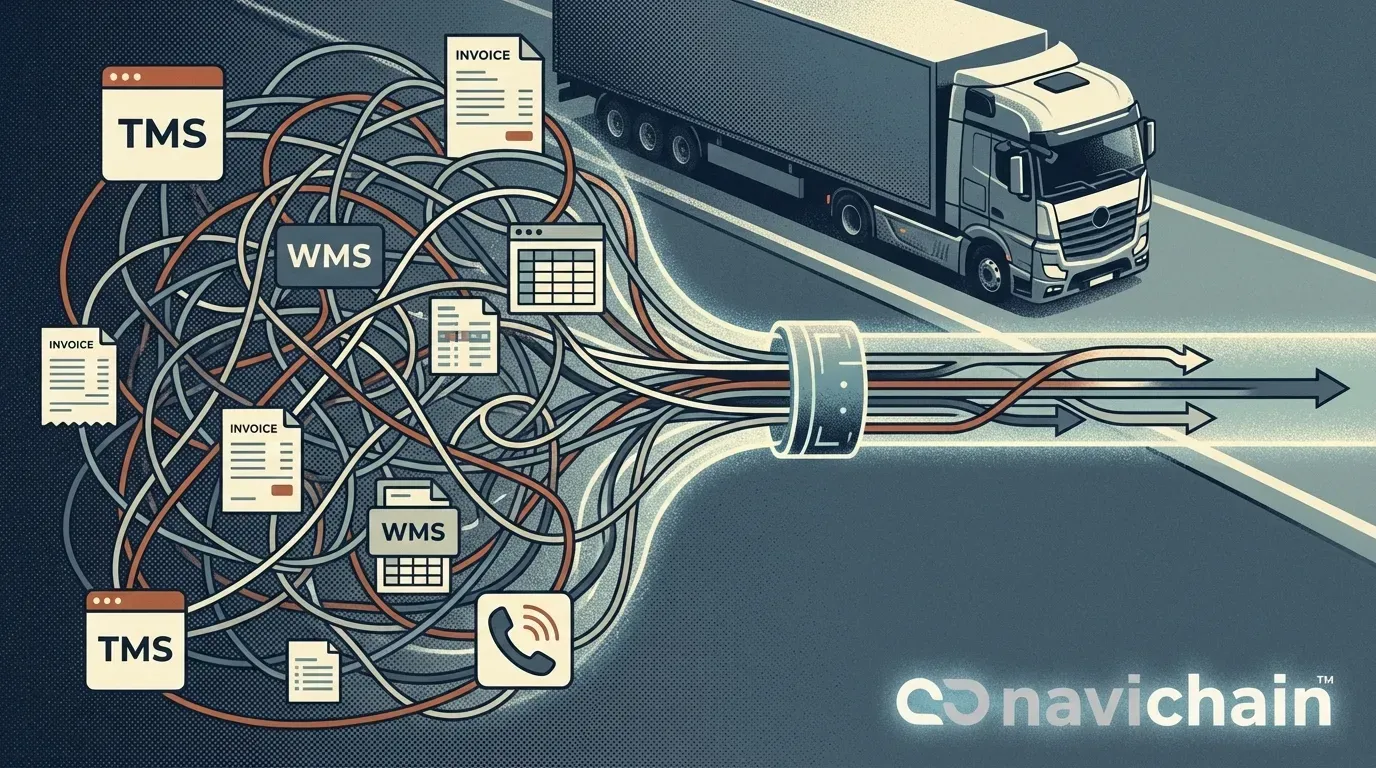
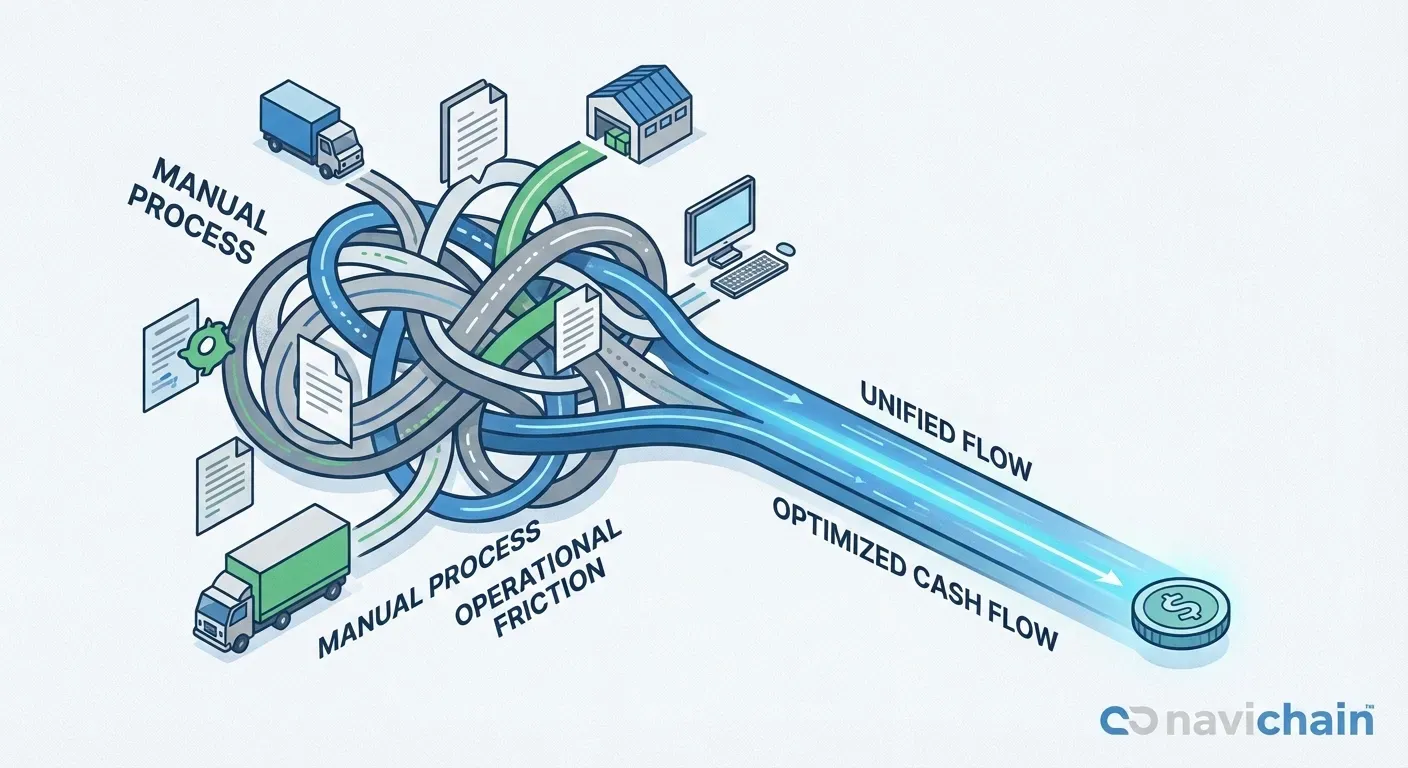
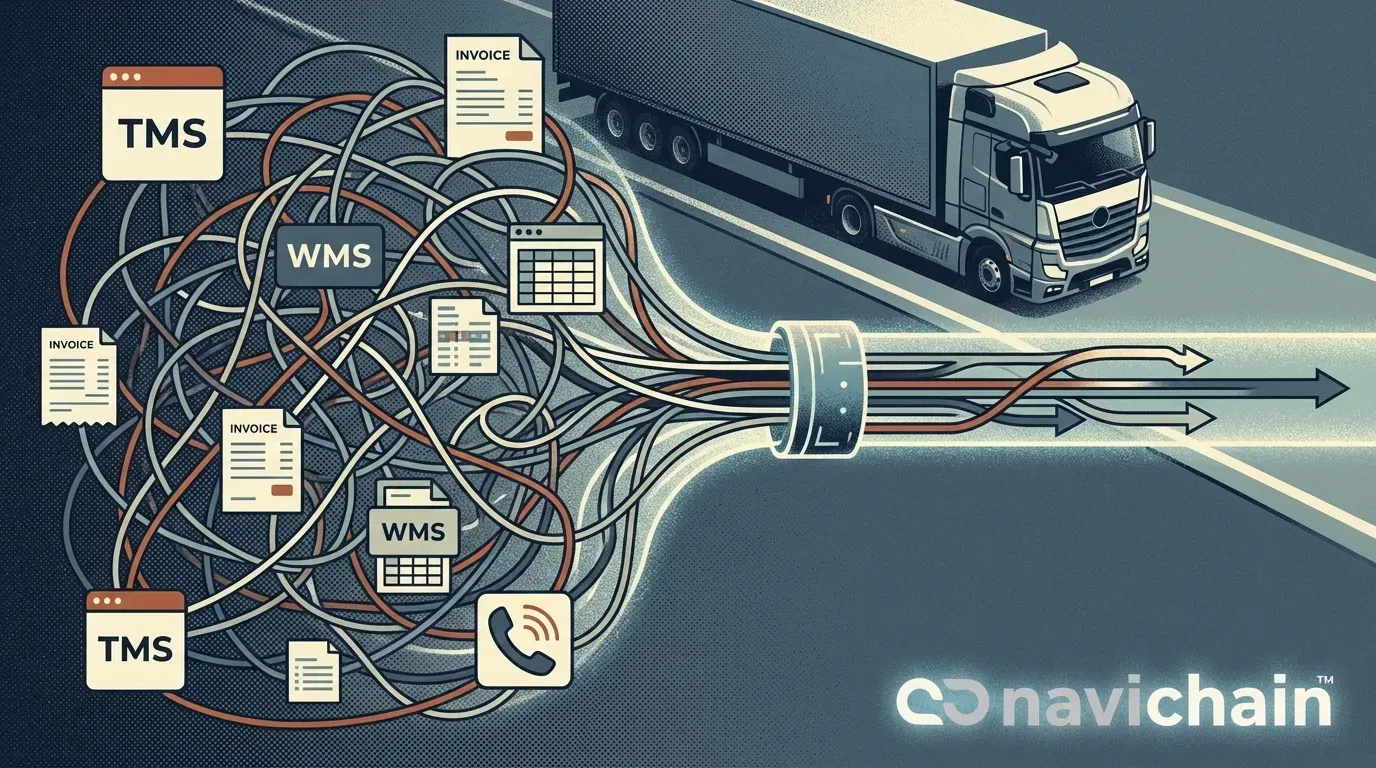
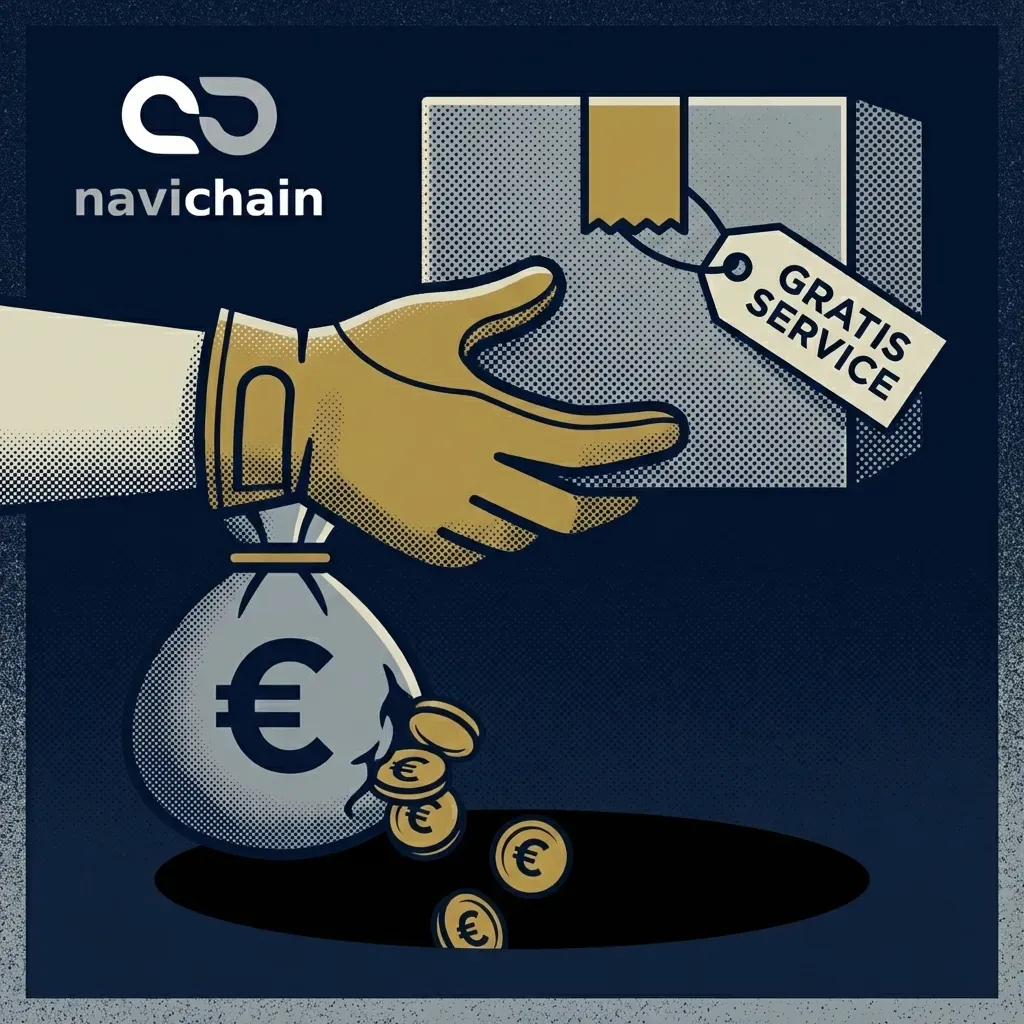
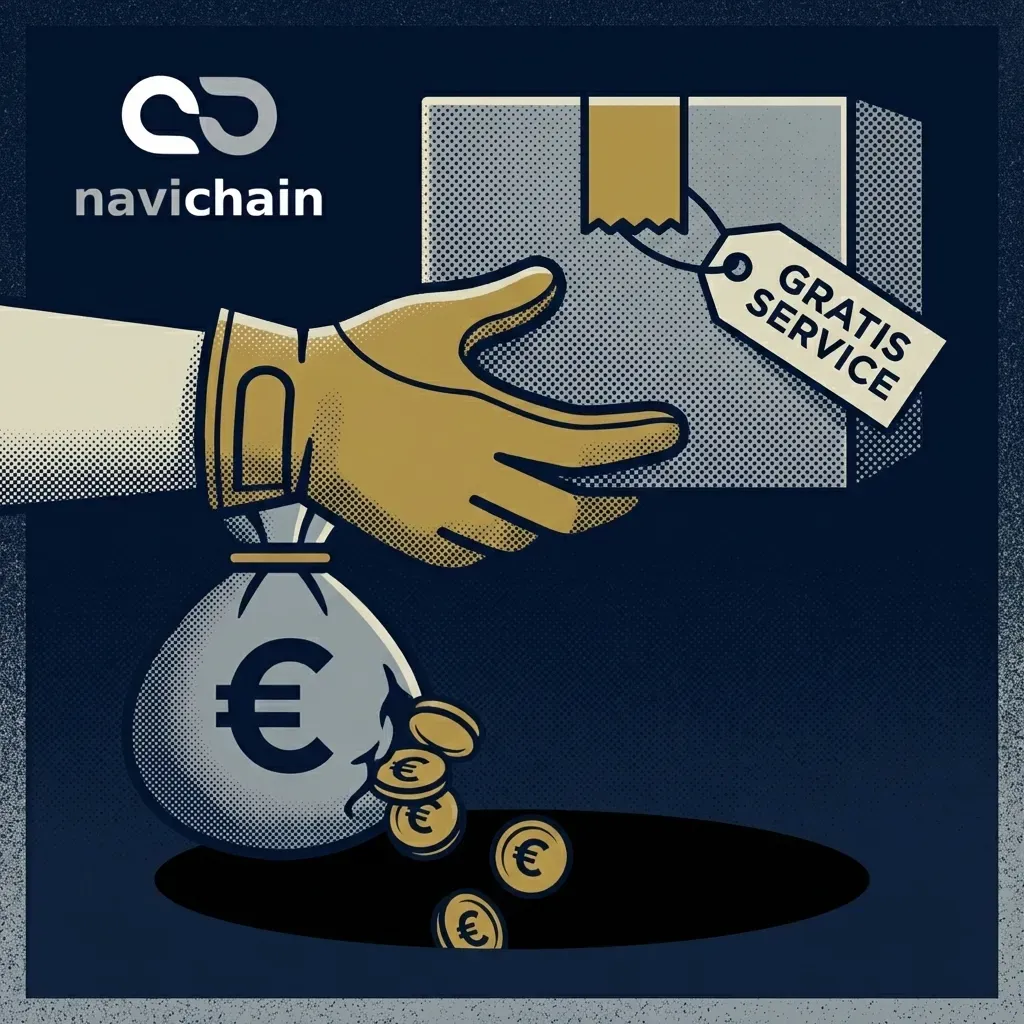
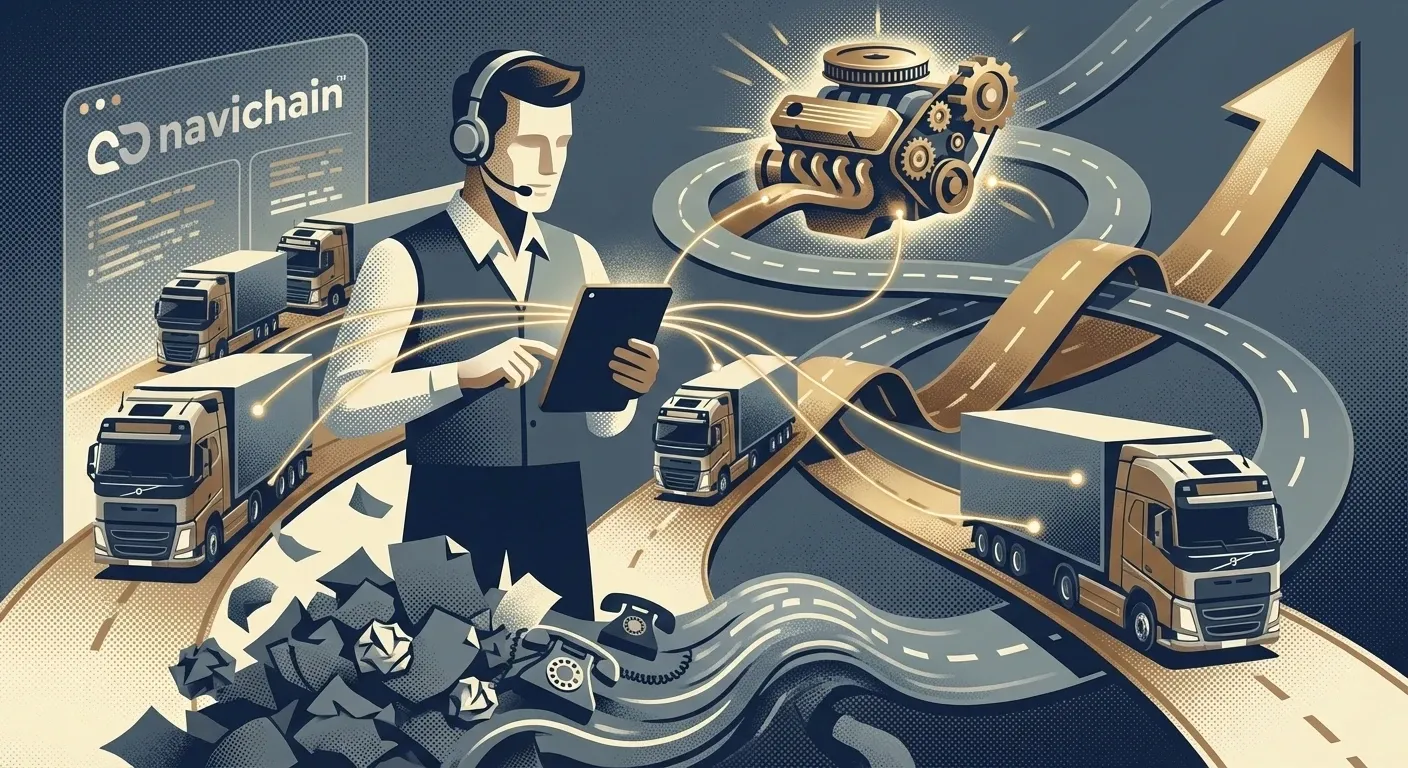
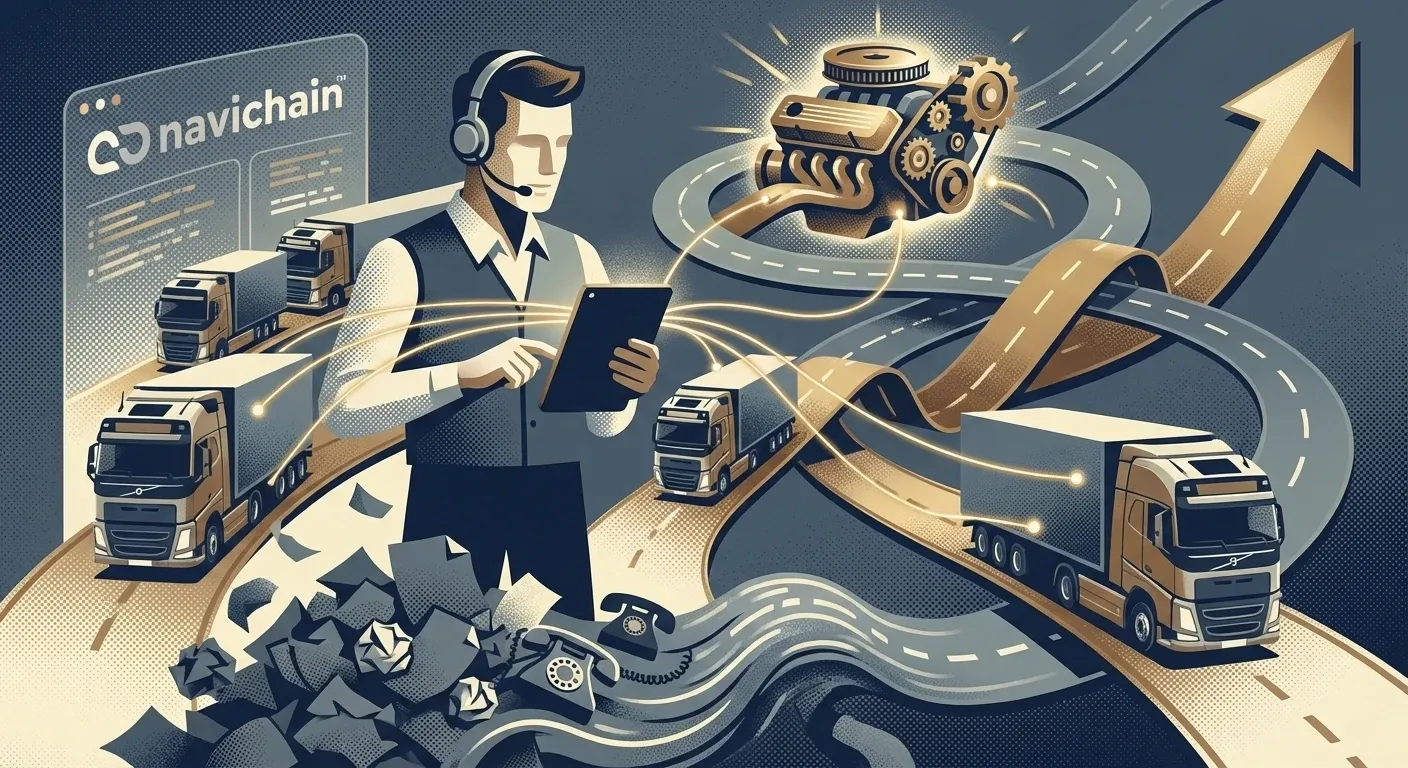
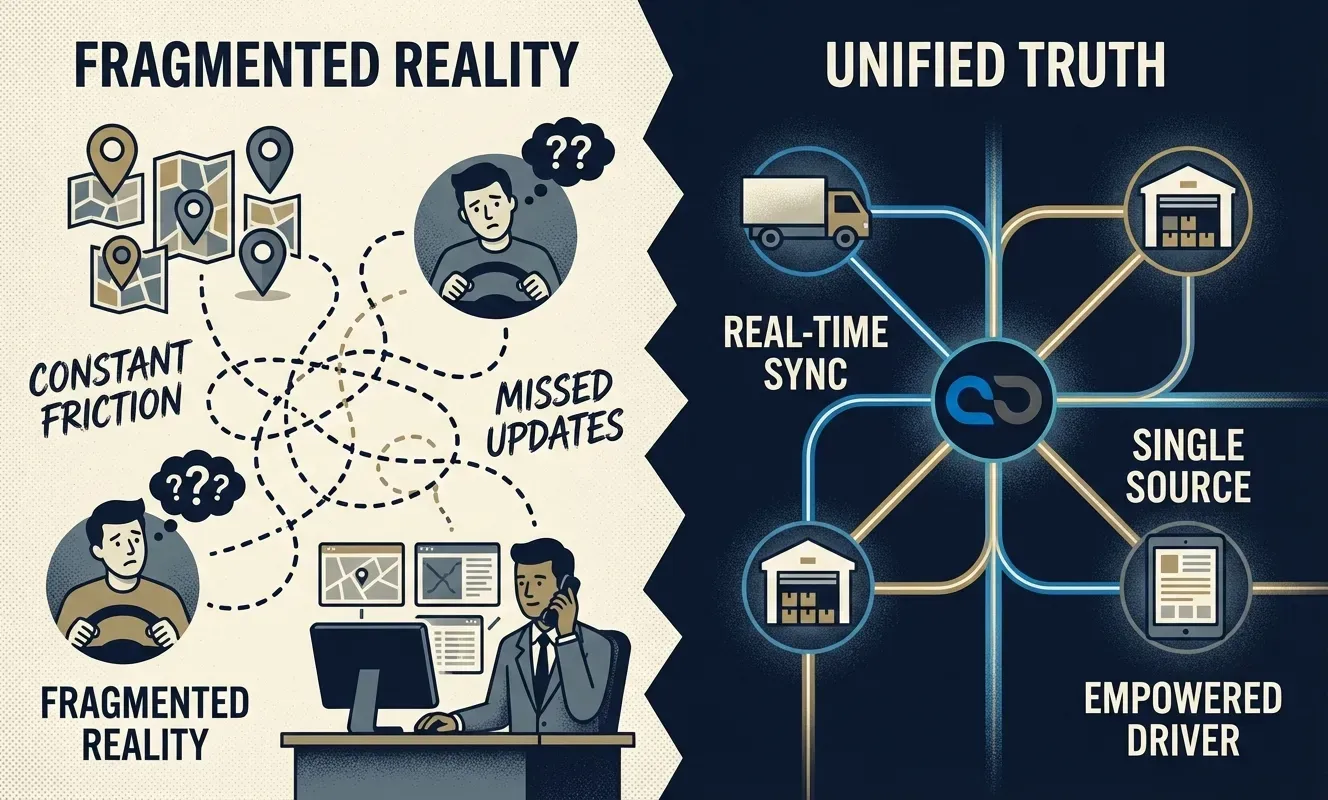
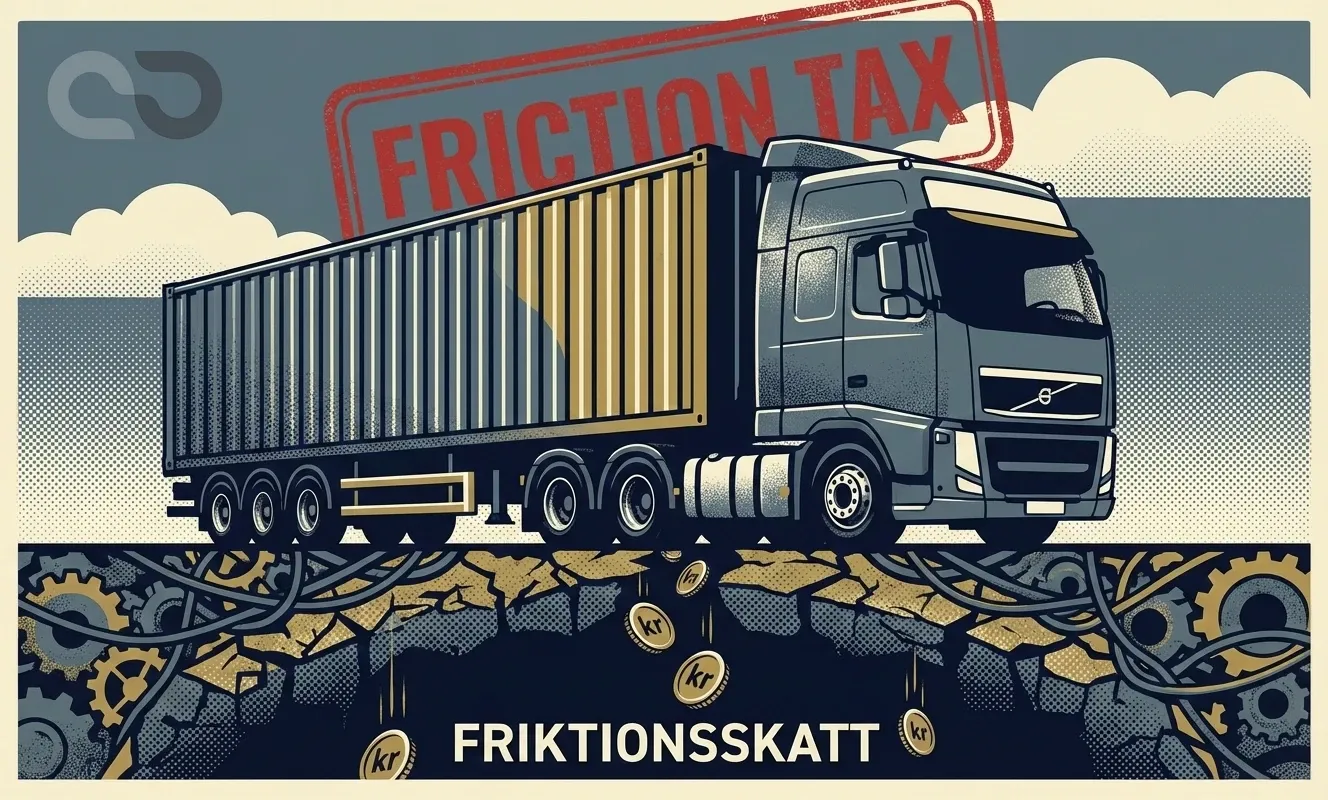
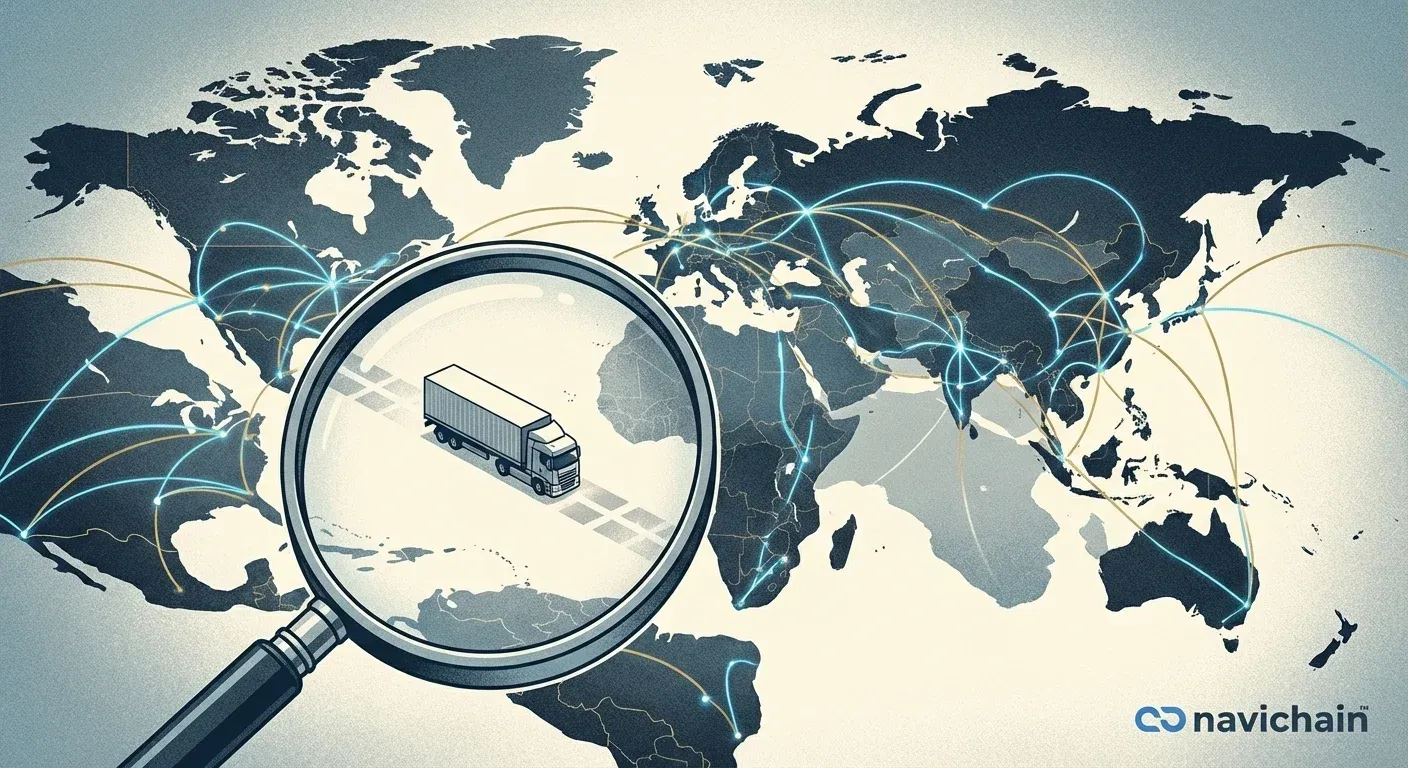
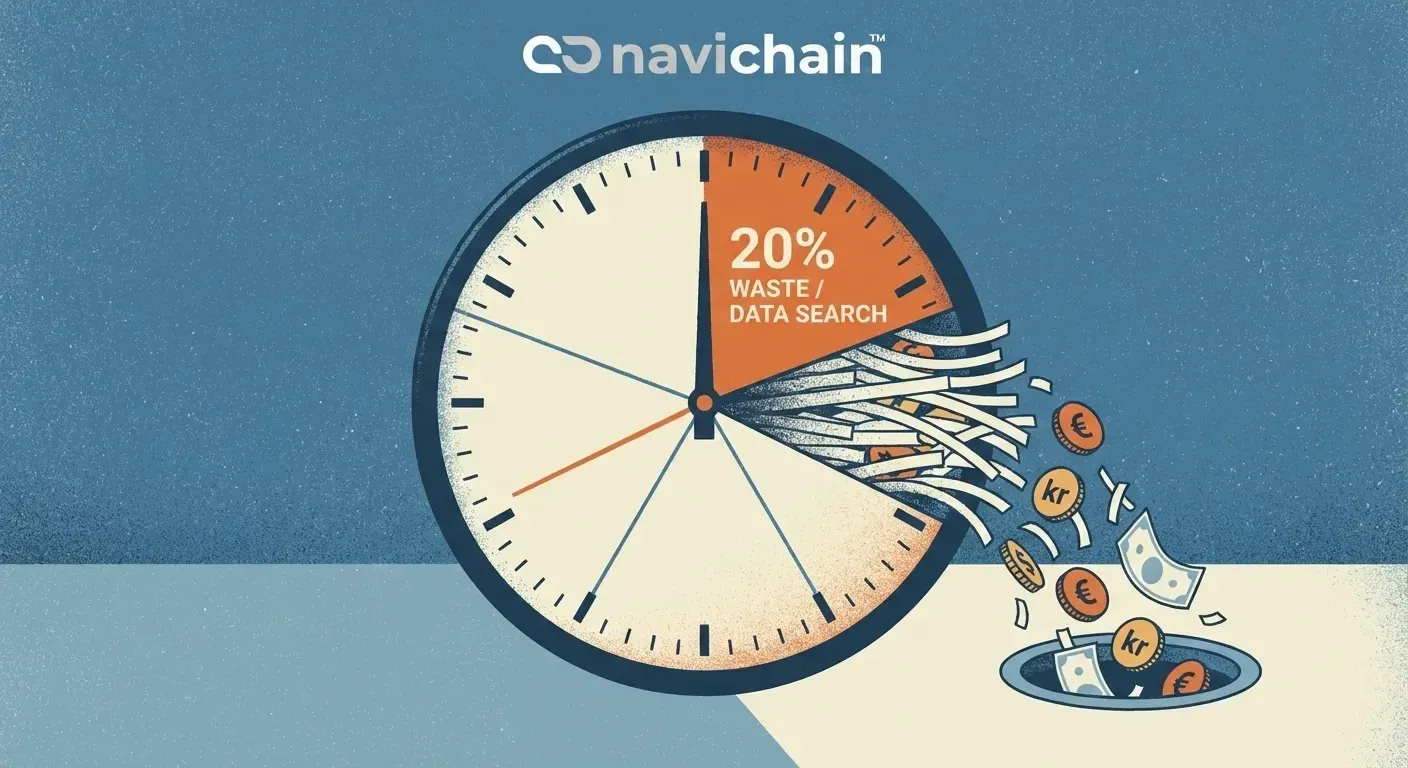
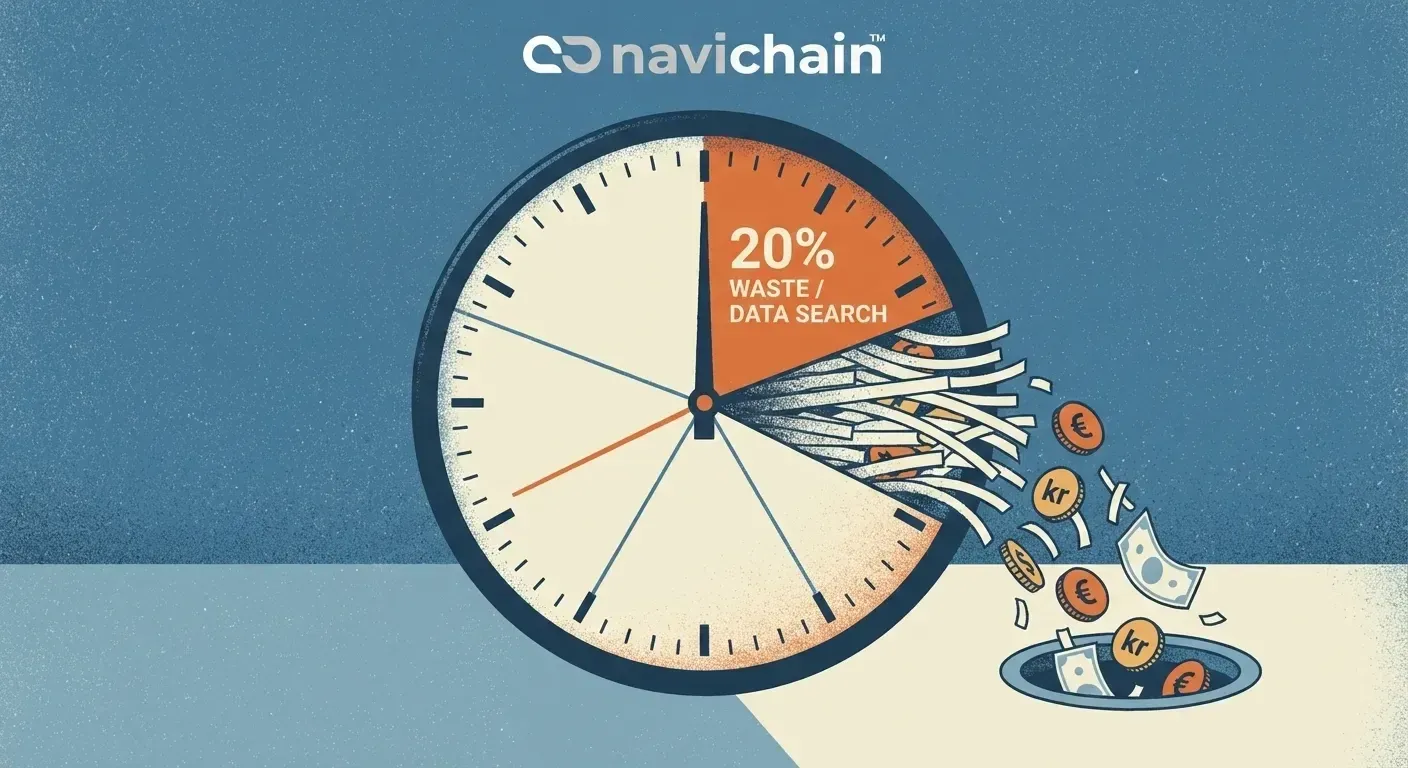
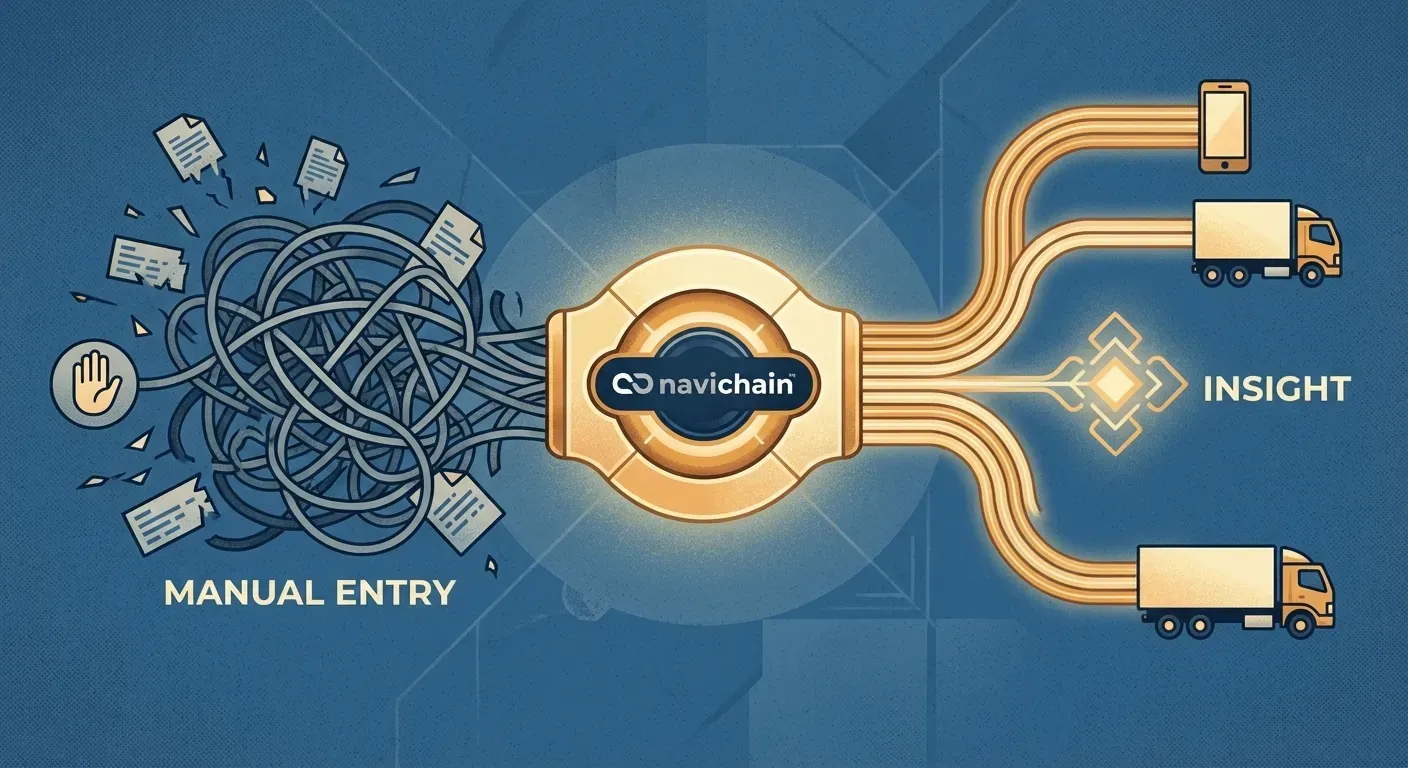
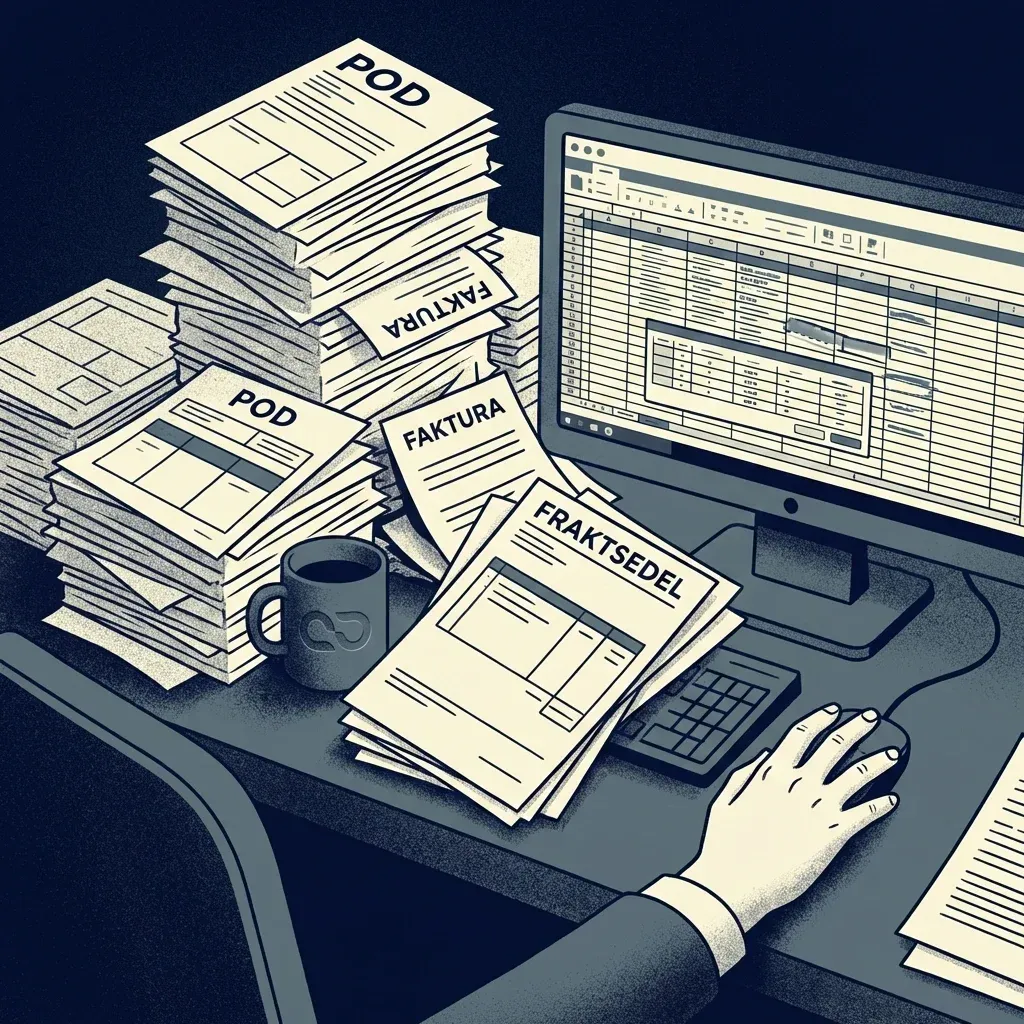
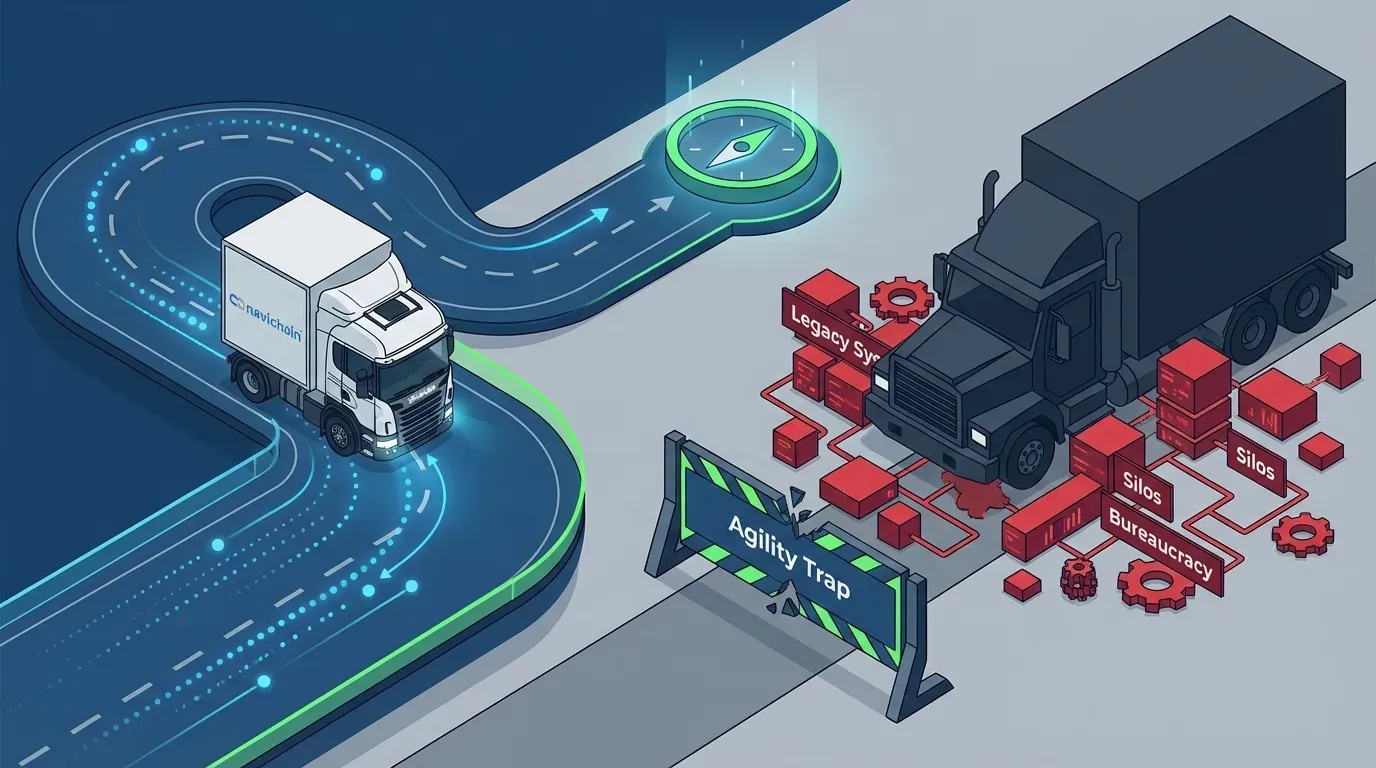
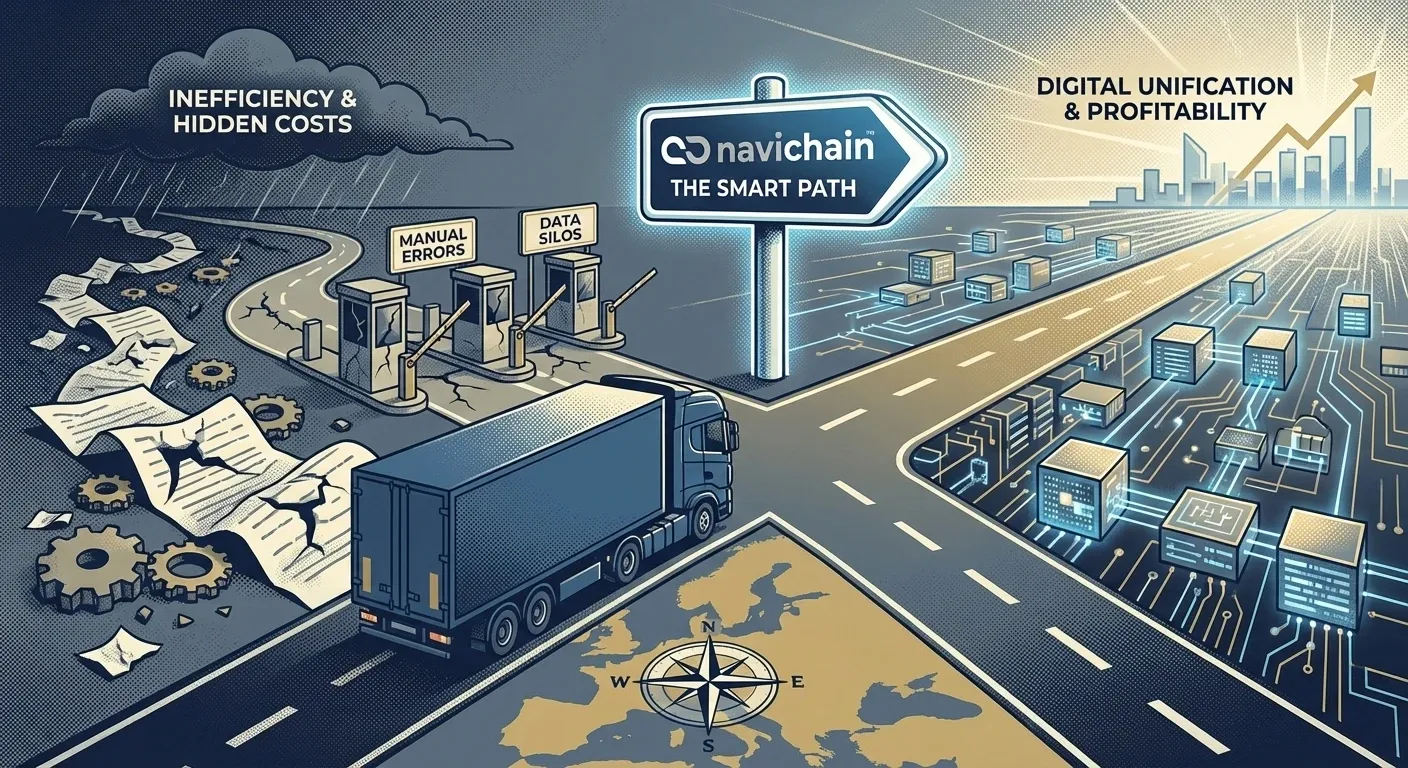
Within the European logistics sector for small and medium-sized enterprises, we are accustomed to seeing certain costs as inevitable. Fuel, driver wages, vehicle maintenance – these are the hard, quantifiable measures of operations. And then there is the "soft" cost of customer service: the endless, repetitive phone calls and email chains answering a simple question: "Where is my order?"
The Dialogue Deficit: How Fragmented Customer Communication Creates Hidden Operational Costs
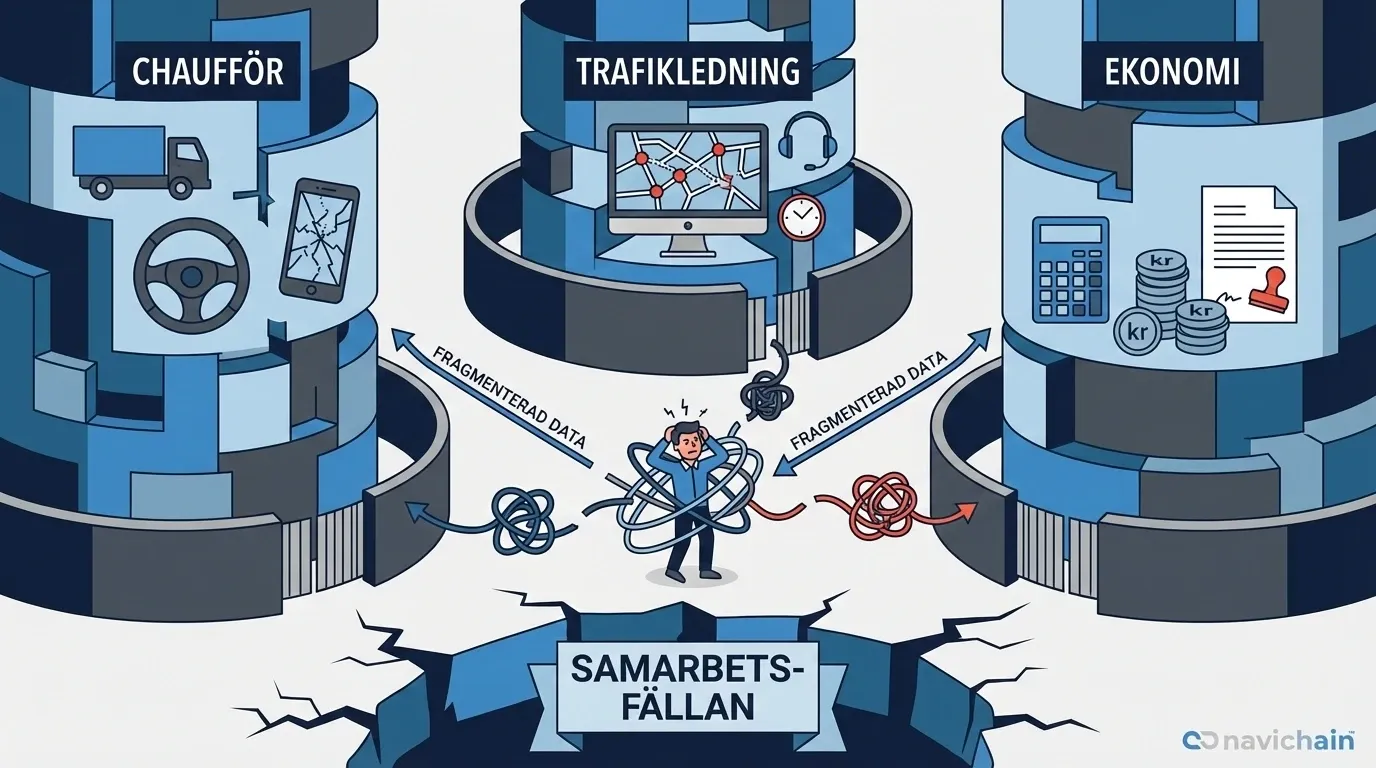
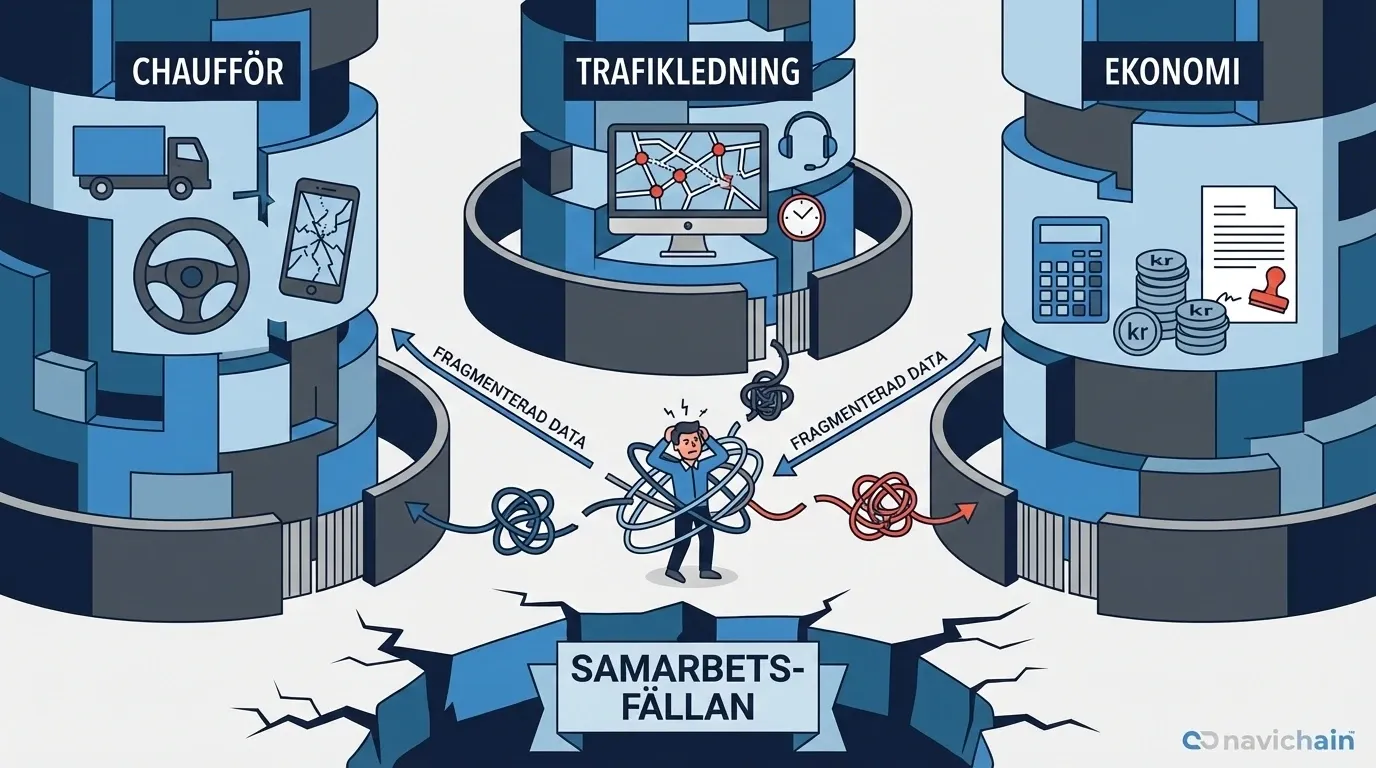
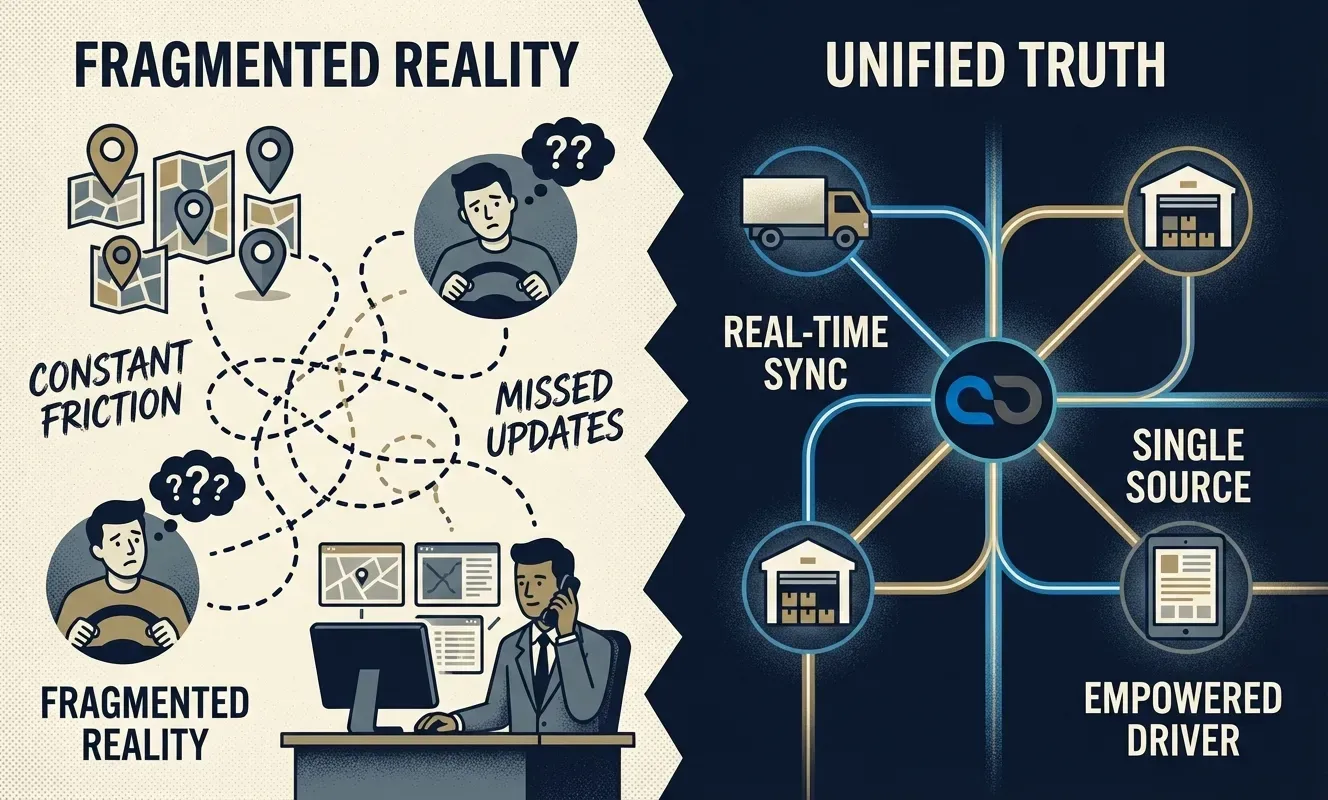
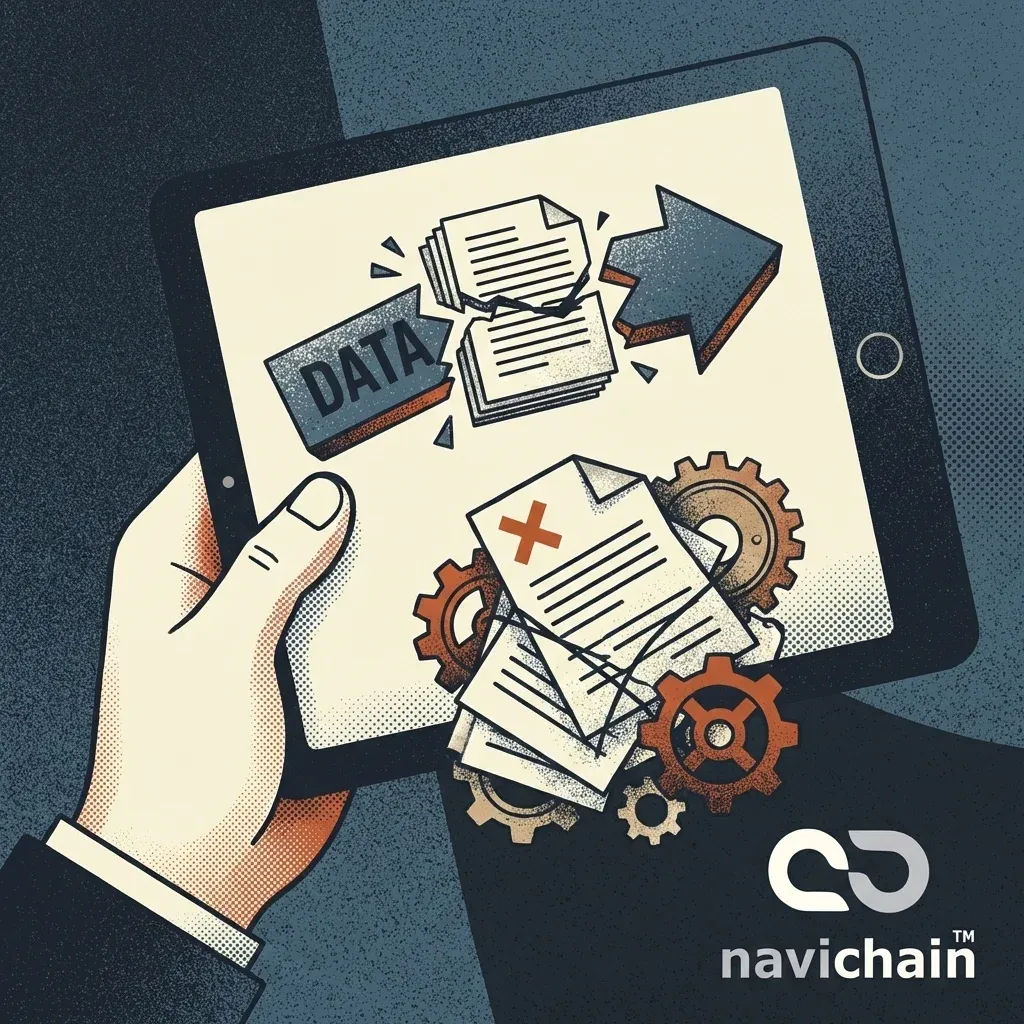
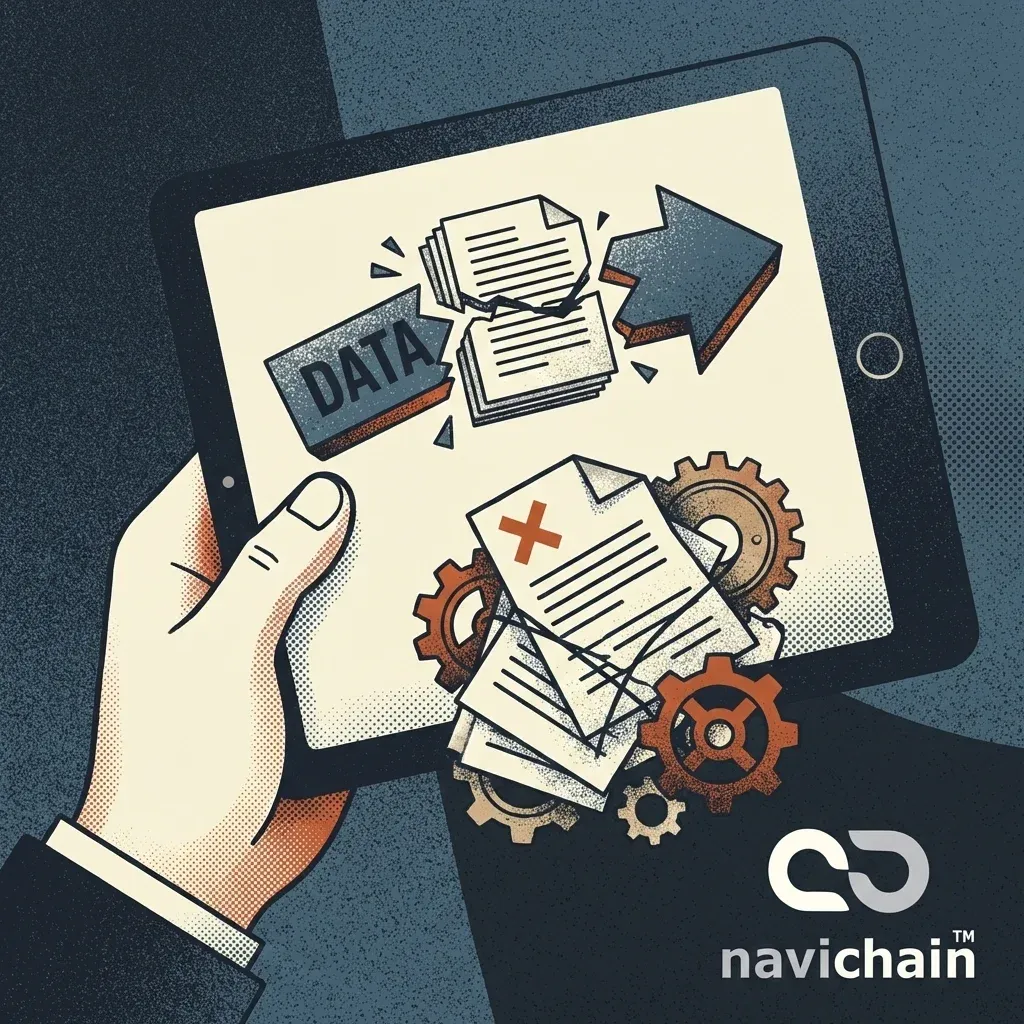
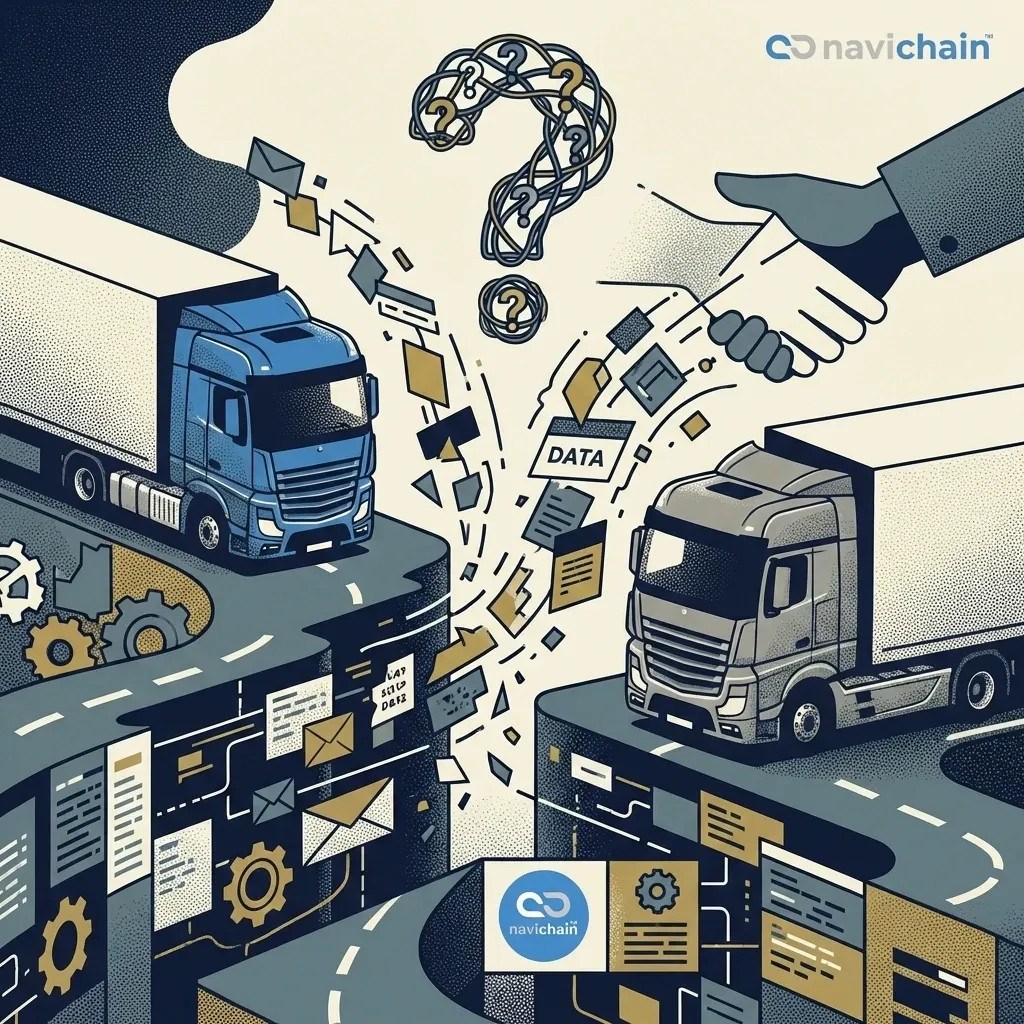
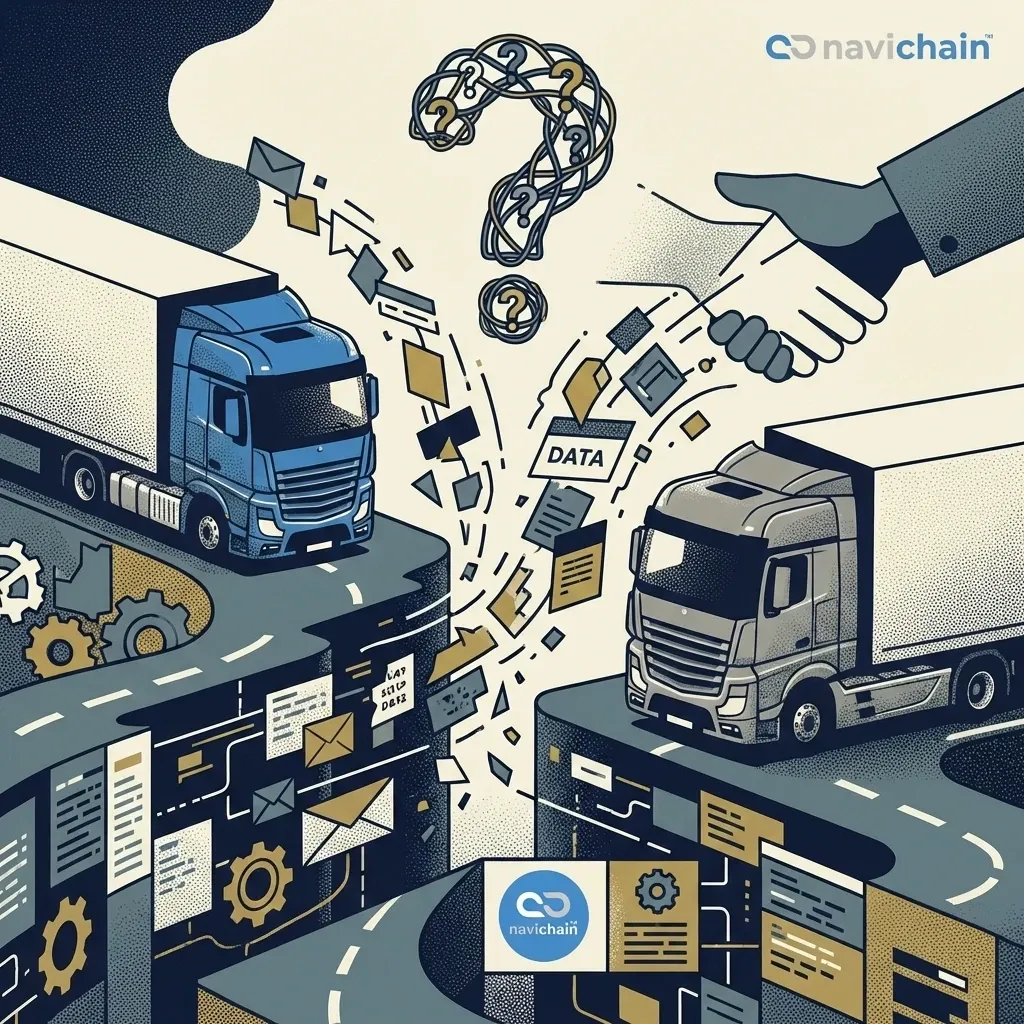
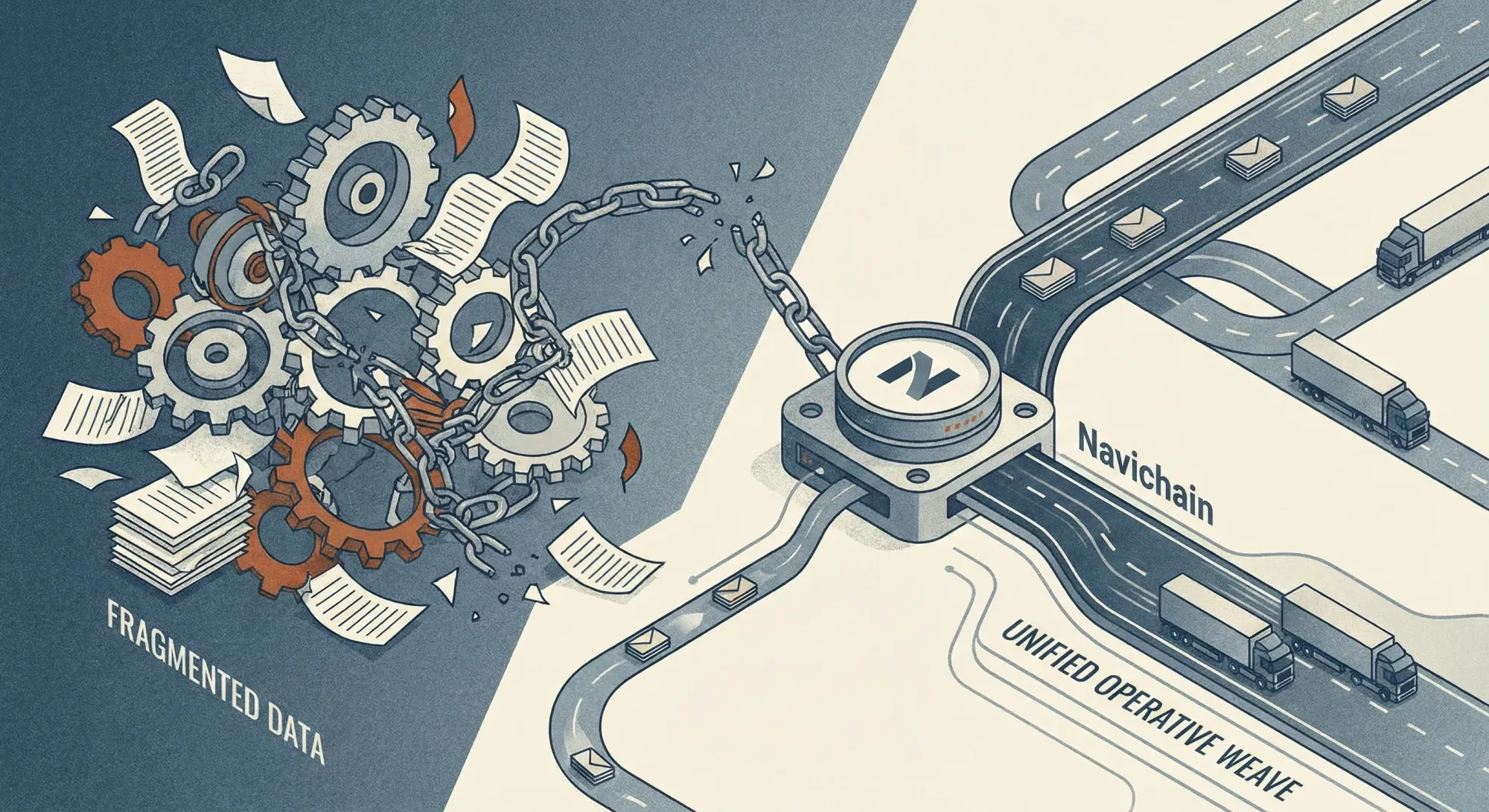
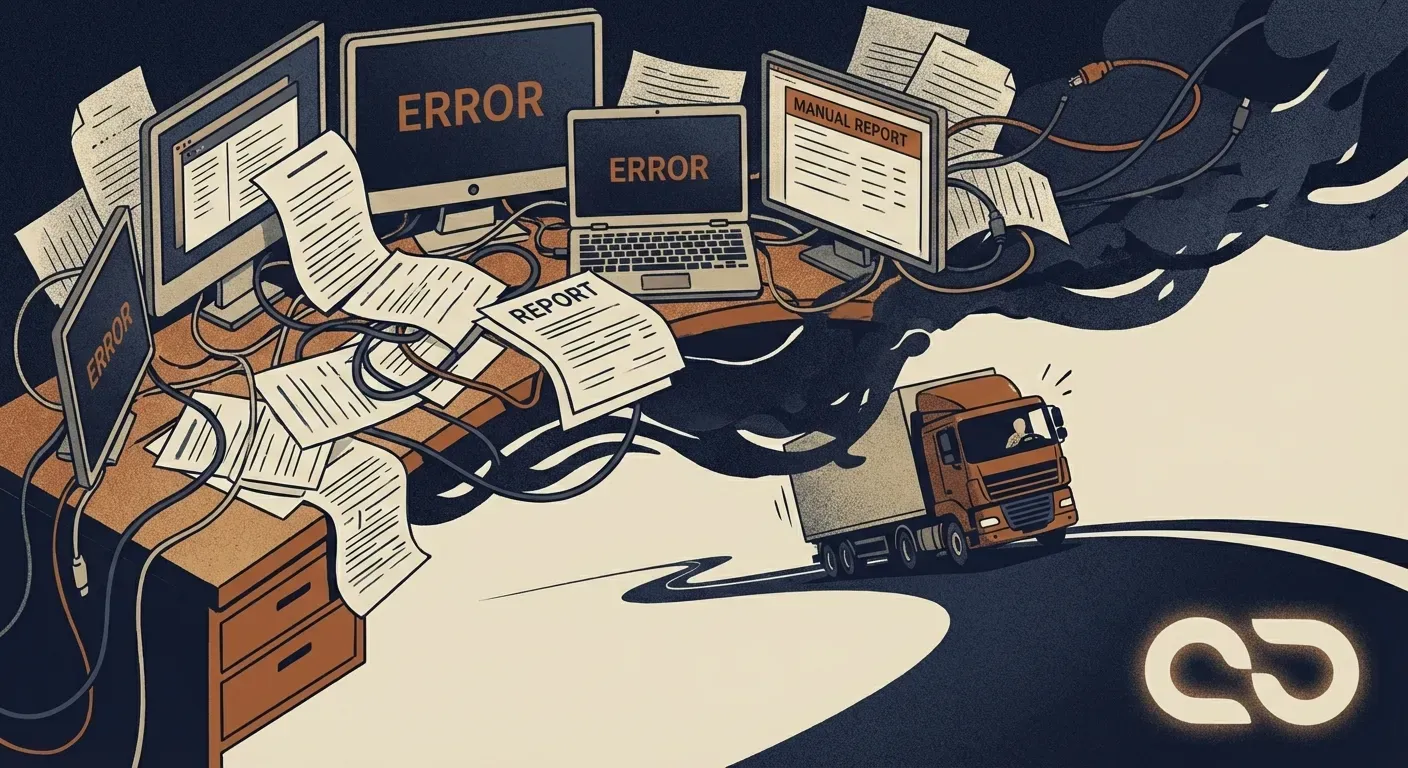
In today's fast-paced logistics environment, efficient communication is paramount. However, many haulage companies still rely on outdated methods such as phone calls and emails to manage customer inquiries. This fragmentation leads to a dialogue deficit, where critical information is lost or delayed, causing operational inefficiencies and increased costs.
The Hidden Costs of Fragmented Communication
The dialogue deficit manifests in several ways, each contributing to hidden operational costs:
1. **Time Consumption**: Repeatedly fielding the same questions from customers consumes valuable time that could be spent on core logistics activities. This not only reduces productivity but also increases labor costs.
2. **Error Prone**: Manual communication methods are prone to human error. Misunderstandings or miscommunications can lead to incorrect information being relayed, resulting in delays, customer dissatisfaction, and potential financial penalties.
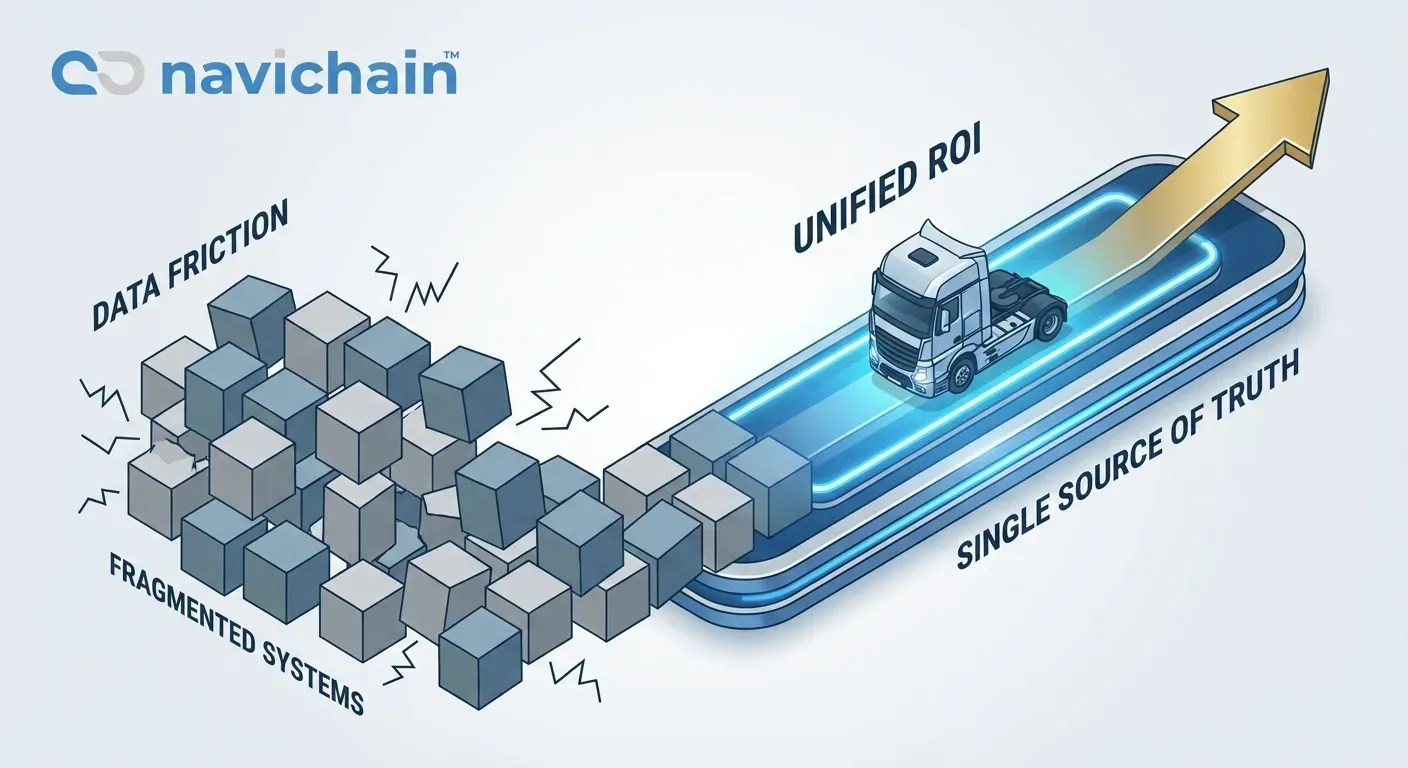
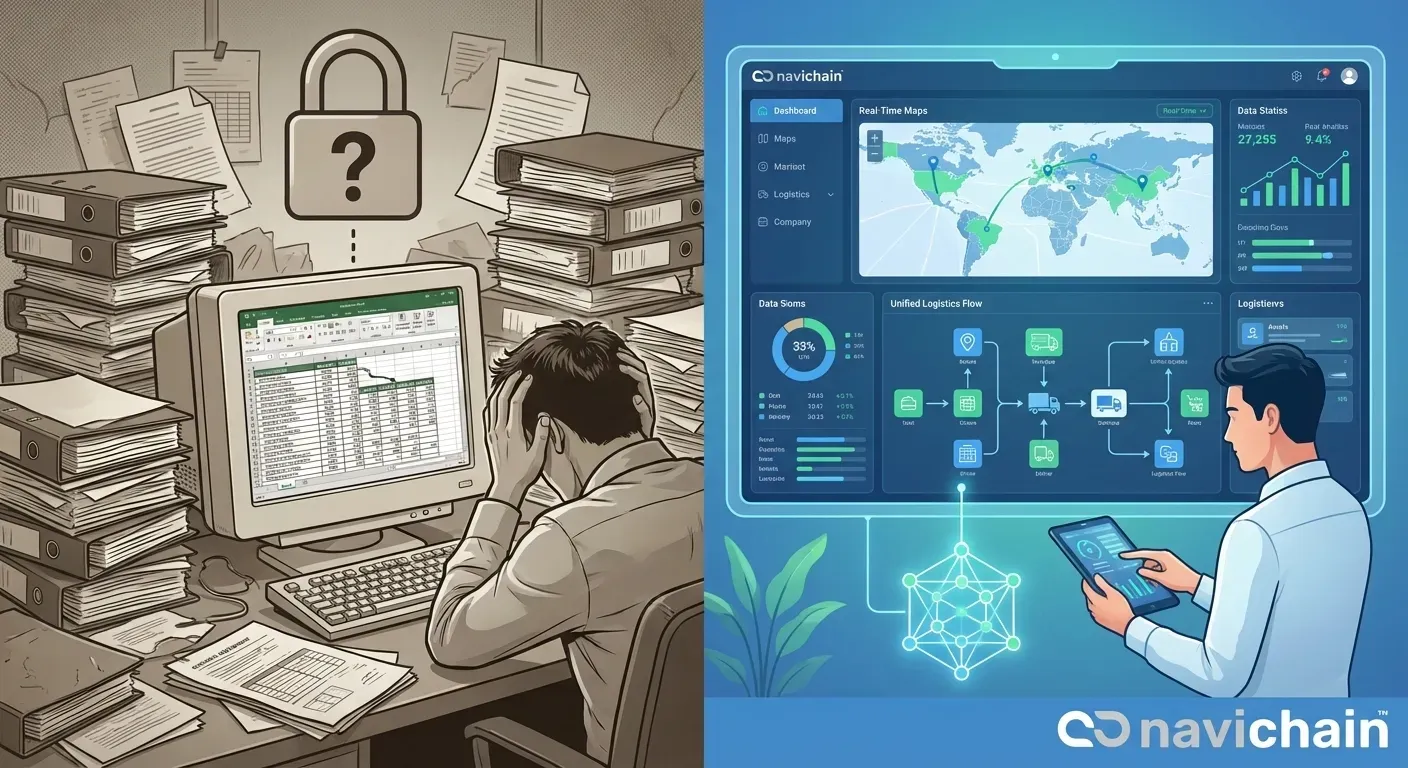
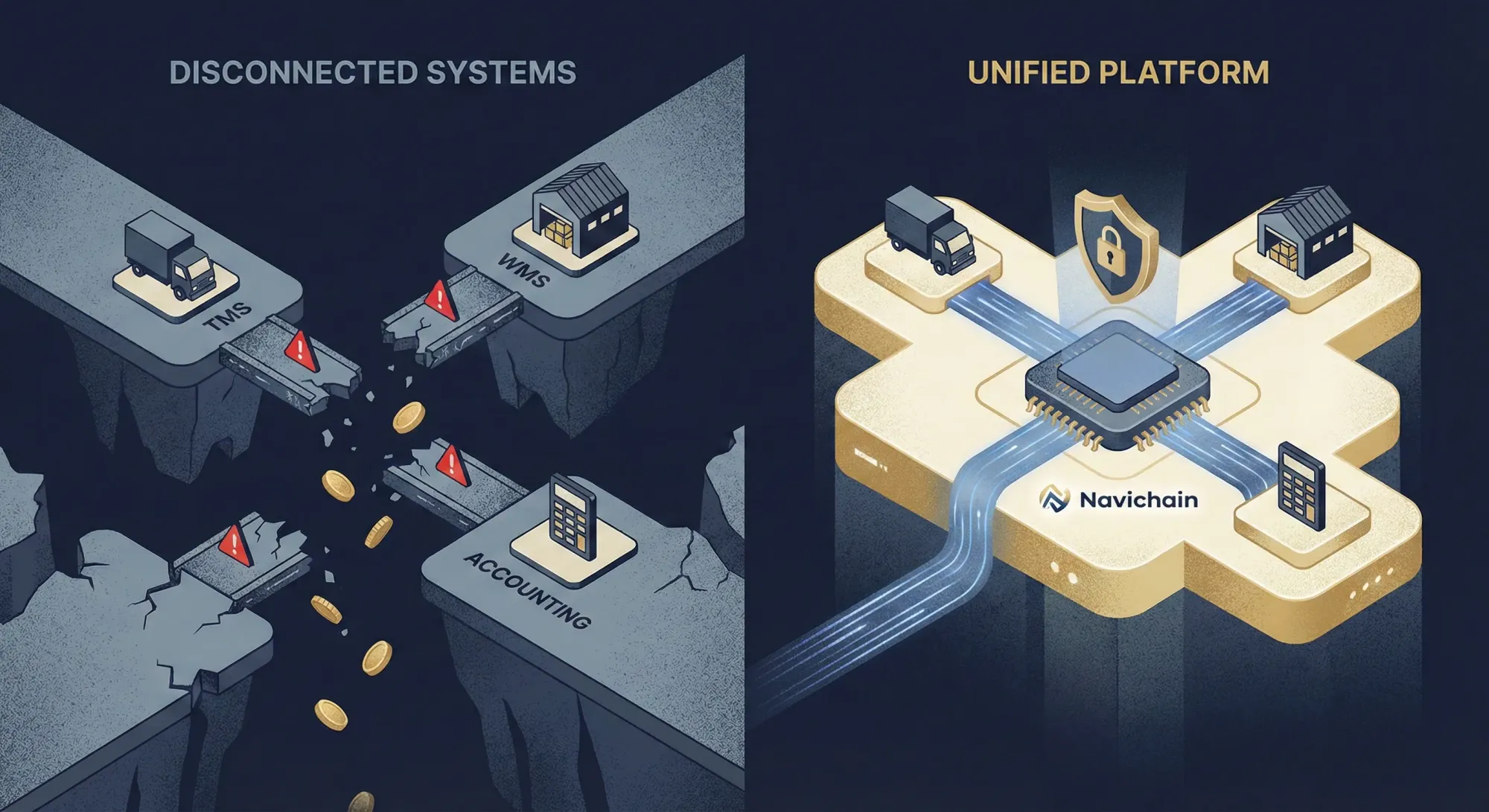
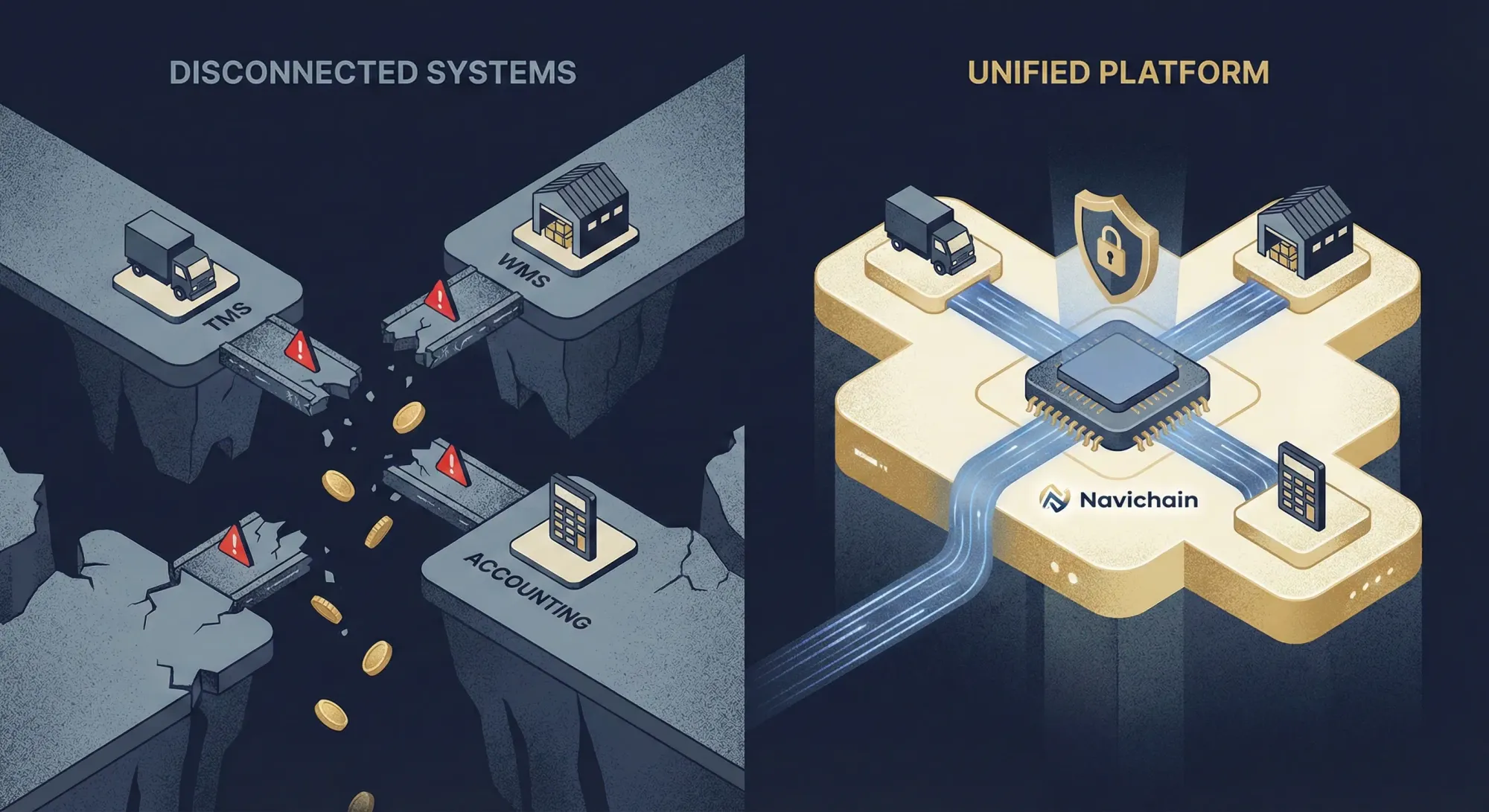
3. **Lack of Transparency**: Without a centralized system for tracking and communicating order status, customers are left in the dark. This lack of transparency can lead to increased customer service inquiries and a negative impact on customer satisfaction.
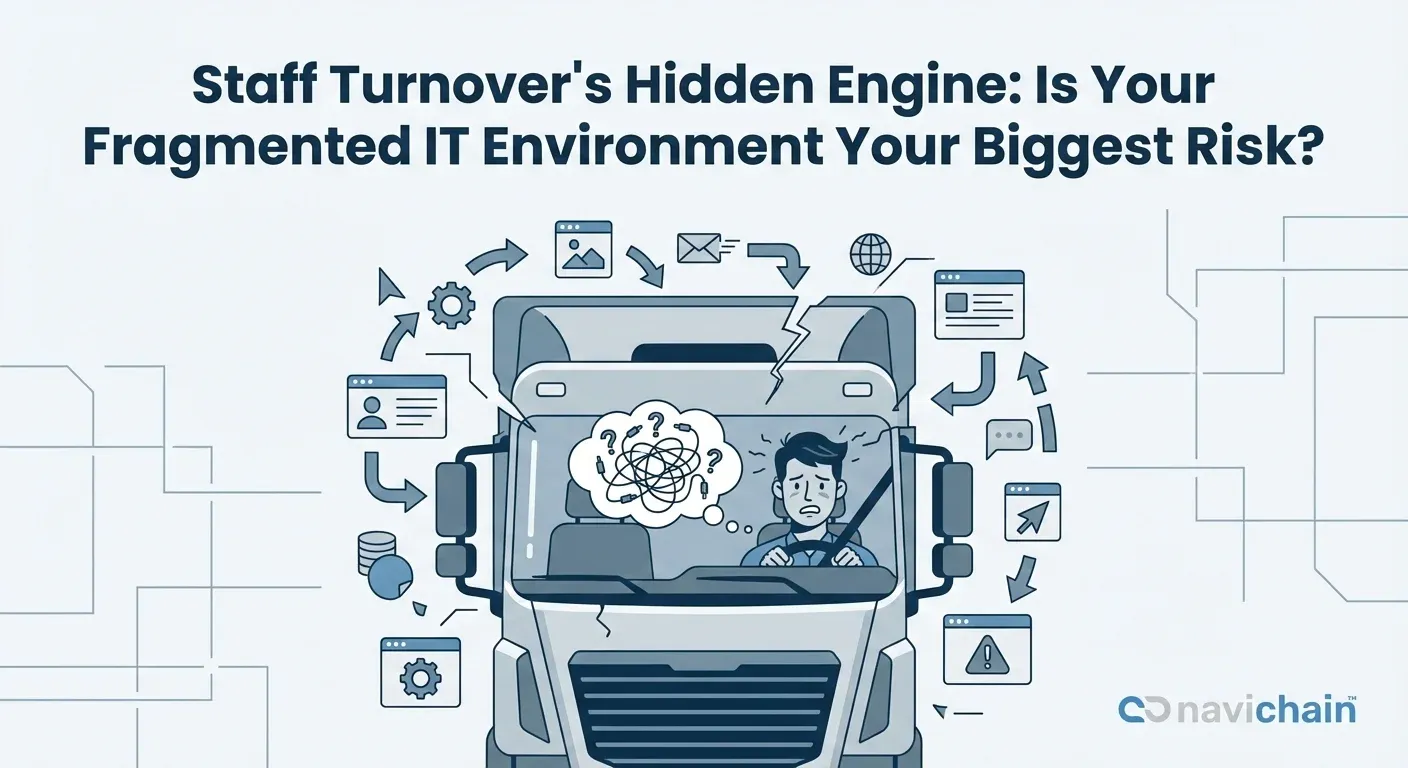
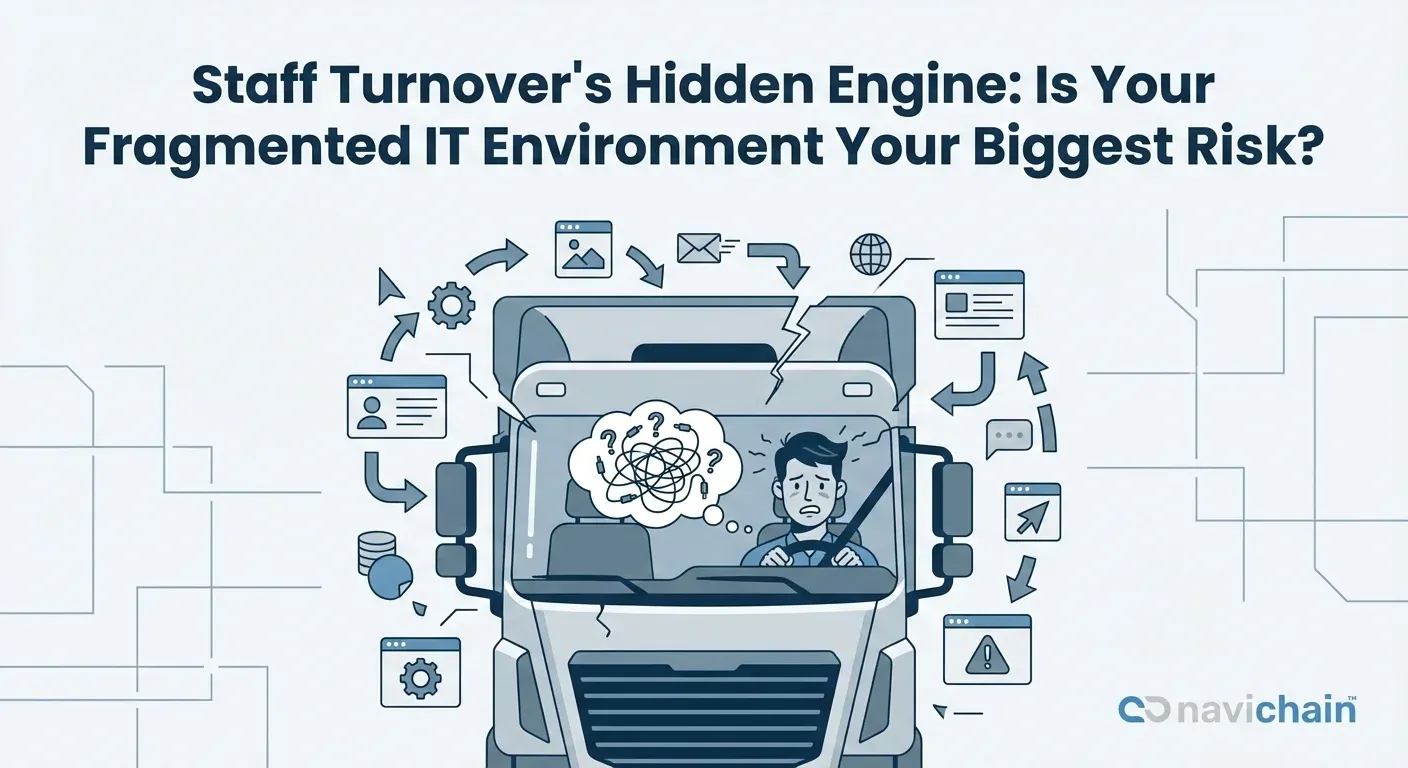
4. **Inefficient Resource Allocation**: Fragmented communication often leads to inefficient use of resources. For example, dispatch/transport management may not have real-time visibility into driver availability or vehicle status, leading to suboptimal route planning and increased fuel consumption.
Addressing the Dialogue Deficit
To mitigate the dialogue deficit, haulage companies can implement several strategies:
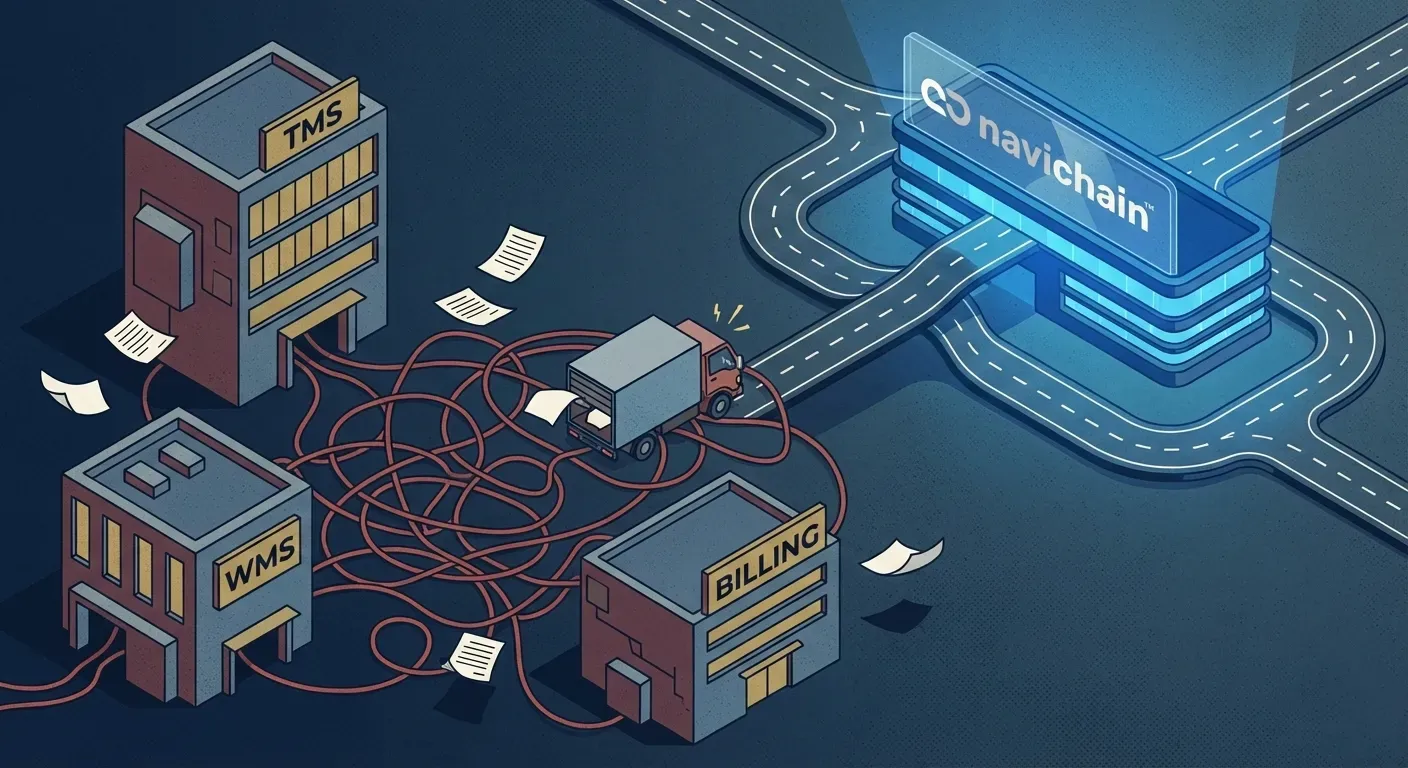
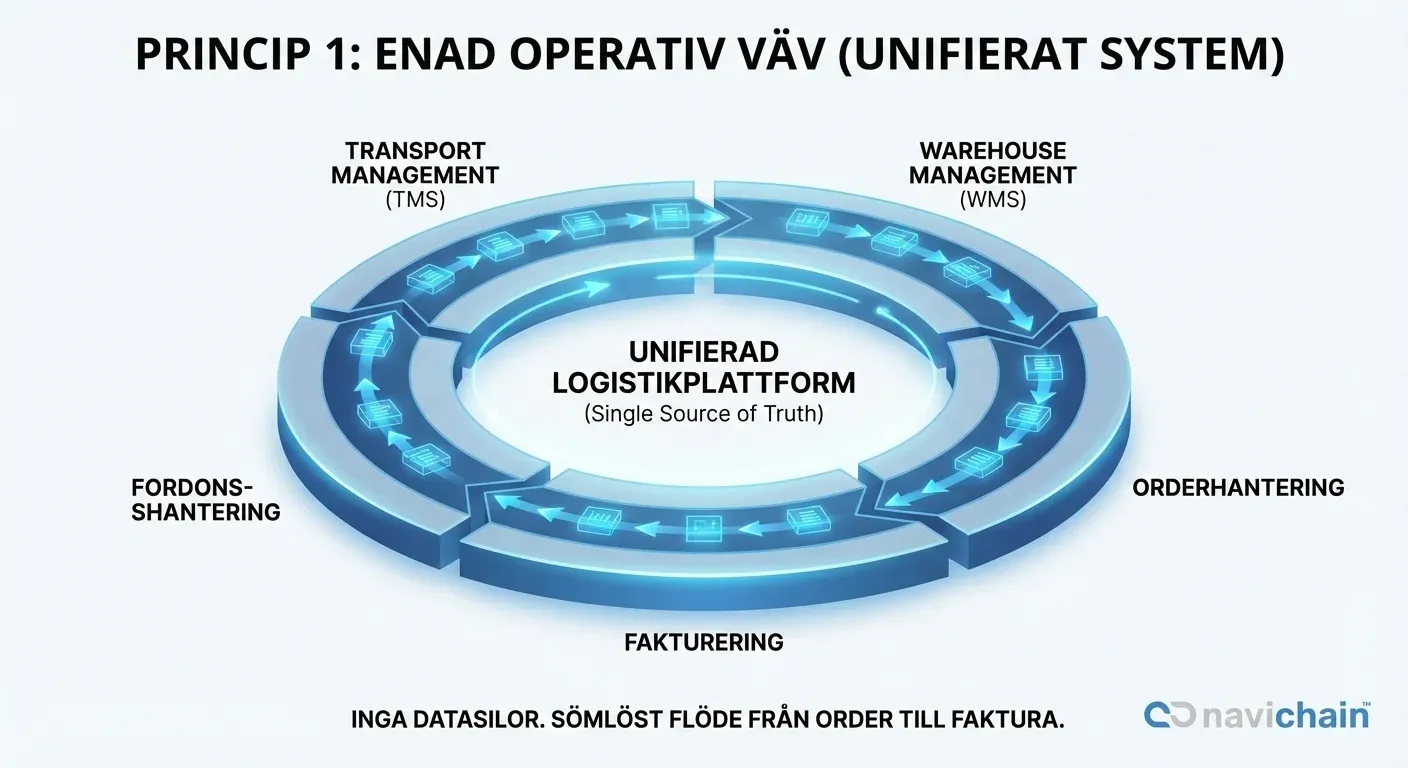
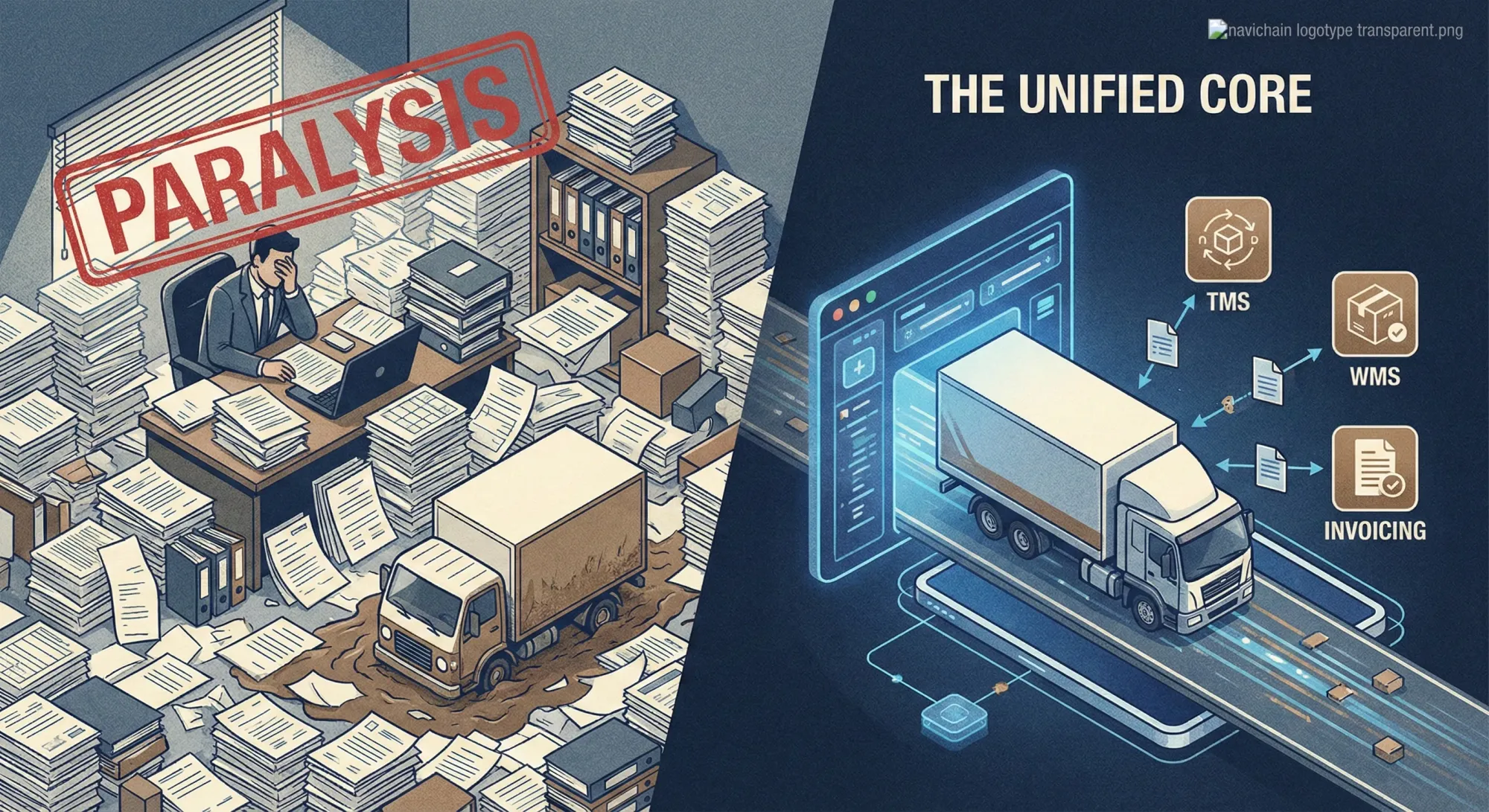
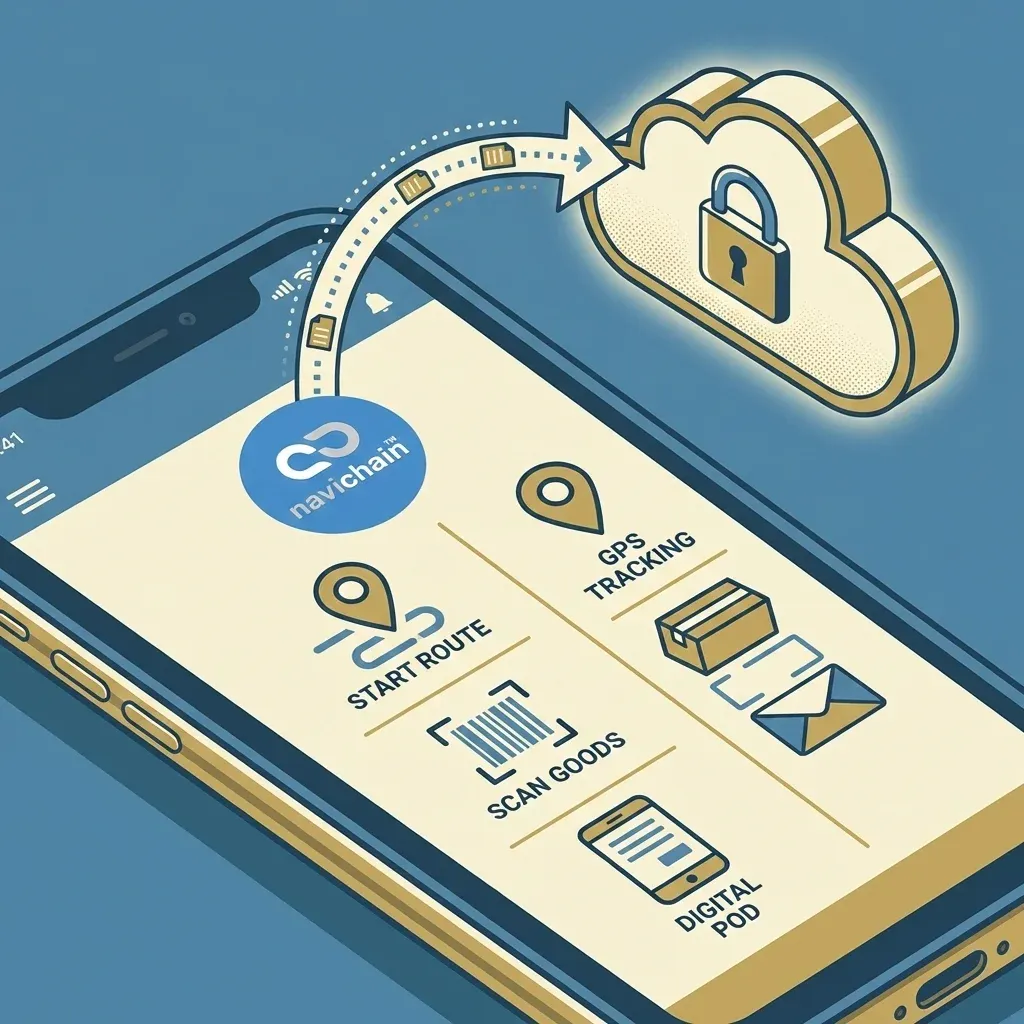
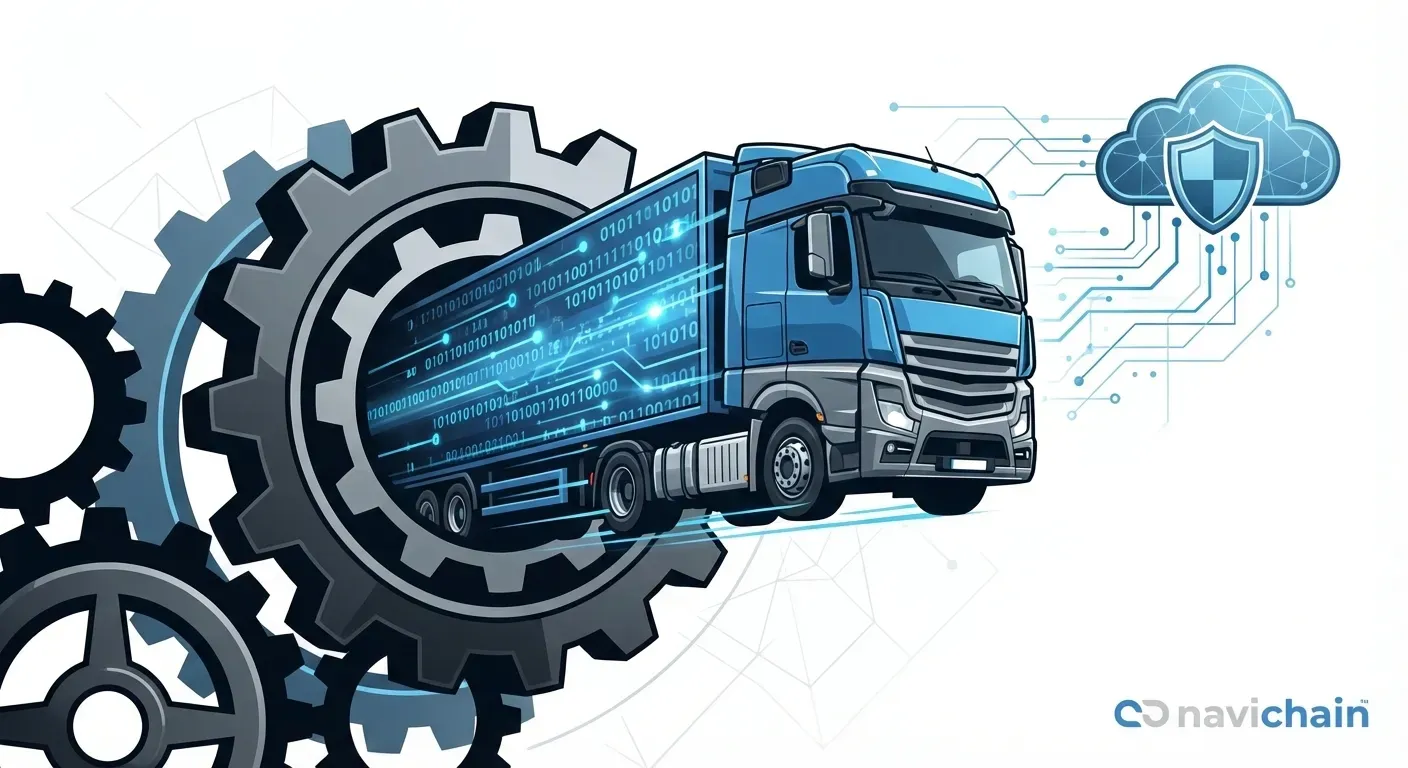
1. **Adopt a TMS**: A Transport Management System (TMS) can streamline communication by providing a centralized platform for tracking orders, managing waybills/consignment notes, and monitoring driving and rest times. This ensures that all stakeholders have access to real-time information, reducing the need for repetitive inquiries.
2. **Implement EDI**: Electronic Data Interchange (EDI) allows for seamless communication between different systems, ensuring that information is accurately and efficiently transmitted. This reduces the risk of errors and improves overall operational efficiency.
3. **Lever
velj 11, 2026
· 7 min read
























![e-CMR-paradoxen: Därför utsätter din satsning på digital efterlevnad ditt företag för kritiska datarisker [SVENSK DELVIS ÖVERSÄTTNING]](/content/blog/images/1572a7a1f2081283.webp)