Perspectives
Guides pratiques, réflexions produit et l'économie de la logistique moderne.

Camion propre ou fret acheté : la décision que la plupart des fabricants prennent par habitude
Le camion propre d'un fabricant semble gratuit car déjà payé. Ce qu'une livraison coûte vraiment avec lui, et pourquoi le choix revient à chaque expédition.
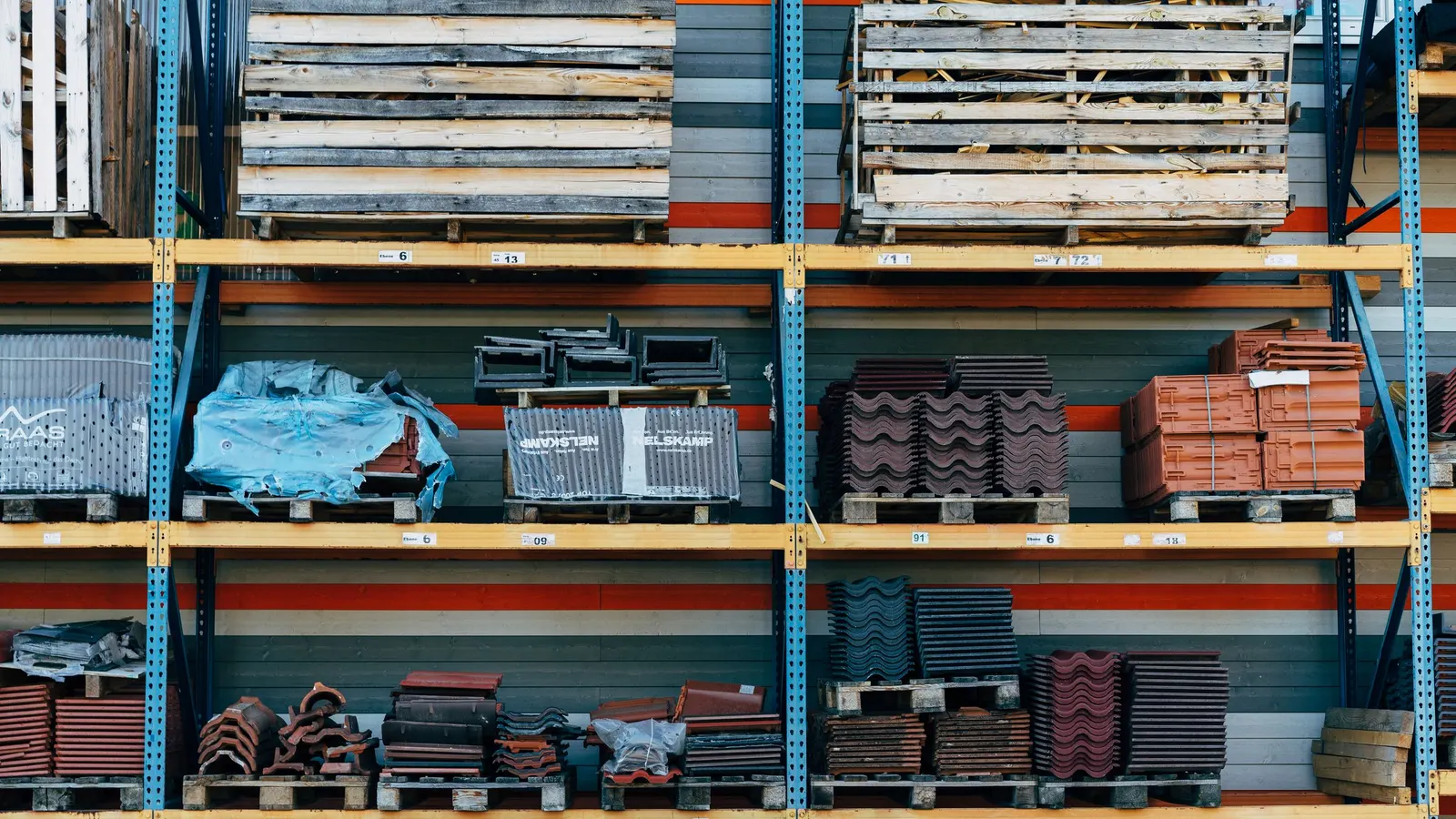
Le stock en rayon n'est pas une promesse : en stock, réservé, disponible et à venir
Quarante-deux en rayon, trente réservés, soixante à venir : un seul chiffre sert de promesse, et une livraison en retard commence souvent par un solde correct.

Trois horloges dans chaque location : désinscrit, récupéré, relouable
La location cesse d'être facturable à un moment, l'engin quitte le chantier à un autre, et regagne de l'argent à un troisième. Là se logent litiges et pertes.

Un rappel est un problème de recherche : du numéro de lot au destinataire avant la fin de la journée
Un rappel se perd rarement sur la décision, mais dans les heures passées à trouver qui a reçu le lot. Ce qu'exigent les lignes directrices UE de bonnes pratiques.

La question de l'atelier : poste interne ou service externe ?
Un poste d'atelier interne est un coût fixe à remplir ; un atelier externe coûte contrôle et délais. Comment poser le choix, et le modèle mixte le plus courant.

Une preuve de livraison que votre client récupère sans vous la demander
Le mail de demande de POD est le petit frère discret de « où est mon envoi ? ». Ce qu'une preuve de livraison doit contenir pour un auditeur, et le libre-service.

Des grilles tarifaires qui se calculent elles-mêmes
Matrices de zones, paliers de poids, minimums et suppléments ne tarifient de façon cohérente que si le système les applique lui-même.

Les trajets à vide en Europe : ce que disent vraiment les statistiques
Les chiffres d'Eurostat sur les kilomètres à vide du fret routier dans l'UE : la répartition national/international, la tendance, et ce que la moyenne cache.

Une tablette en cabine, ou le téléphone déjà dans la poche ?
Les tablettes fixes promettent le contrôle et deviennent surtout un second appareil à charger, mettre à jour et perdre. Où une tablette montée l'emporte quand même.
Commandes récurrentes : le fret que vous re-saisissez à la main chaque semaine
La tournée du mardi re-réservée chaque lundi, c'est de la corvée avec un taux d'erreur. Ce qu'un modèle enregistré apporte, et le contrôle qu'il exige en retour.

Immobilisation et temps d'attente : facturer les heures déjà perdues
Facturer l'immobilisation exige un tarif convenu à l'avance et des horodatages fiables, pas le souvenir d'un chauffeur après une longue attente.

Sans réseau : ce que fait votre exploitation quand la connexion tombe
Tunnels et zones blanches : la norme, pas l'exception. Ce qu'une appli chauffeur garde en local, ce qui peut attendre, et ce qui ne peut pas attendre le réseau.
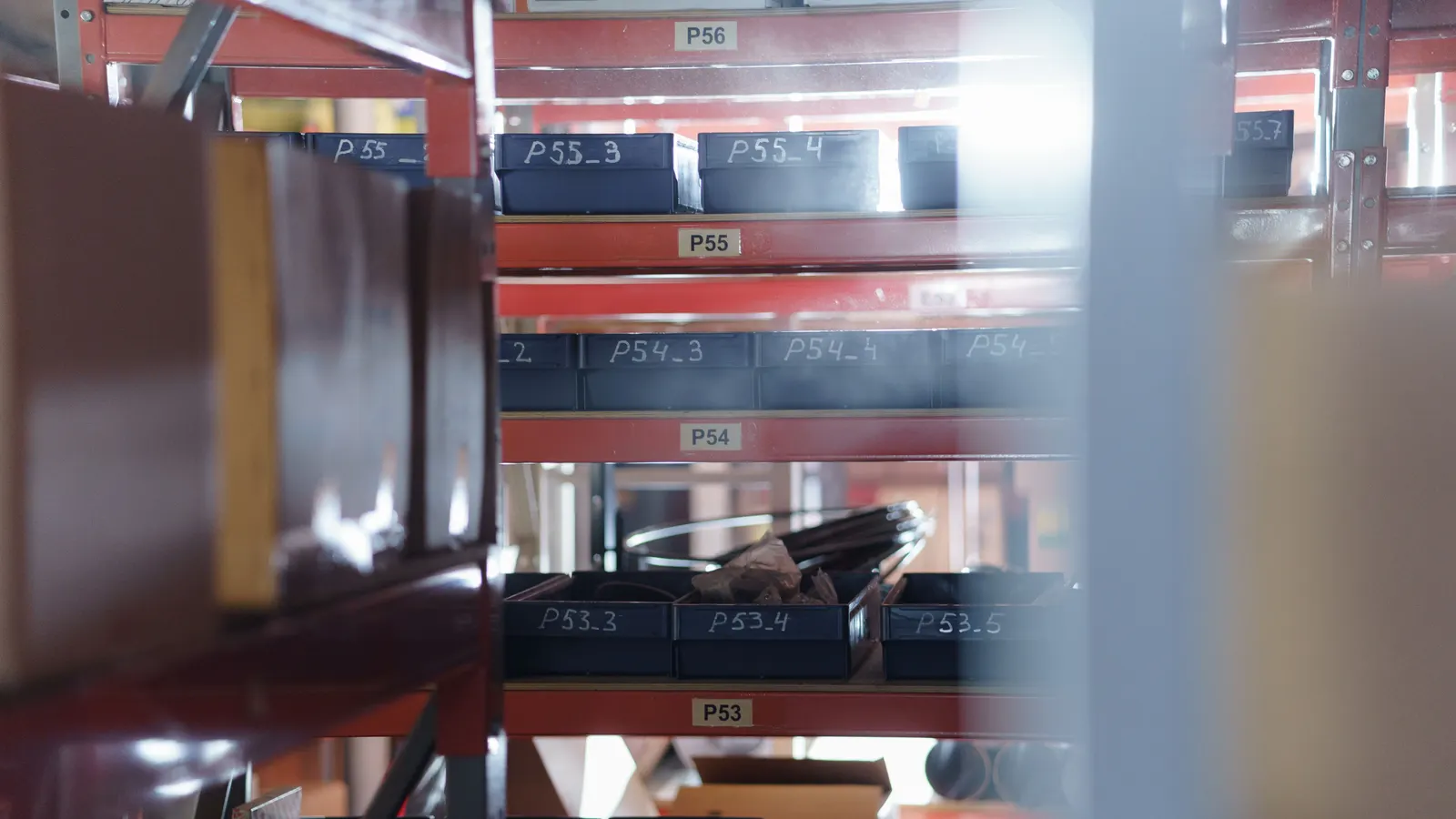
Pièces d'atelier : un magasin de pièces est un registre qu'on peut visiter
Le stock de pièces dérive quand la sortie est notée trop tard. Ordres de travail, seuils de réapprovisionnement honnêtes, un registre plus simple que le raccourci.

Lire un appel d'offres comme un transporteur, répondre comme un partenaire
Un appel d'offres transport récompense qui montre des données, pas le prix bas. Ce que doit contenir la réponse, et les clauses qui annoncent un contrat déficitaire.

Source unique de vérité : ce que cela signifie au pied de la lettre
Chaque éditeur promet une source unique de vérité. La vraie question : deux écrans peuvent-ils se contredire sur un même fait — et qui a raison ?

Cabotage : la règle des trois opérations ne suffit pas
Le cabotage exige plus qu'une capacité disponible. Découvrez comment exploitation et conducteurs relient historique du véhicule et justificatifs avec navichain.

Commandé ne veut pas dire livré
La promesse du grossiste n'est tenue que lorsque ventes, achats, entrepôt et distribution fonctionnent comme un flux continu.
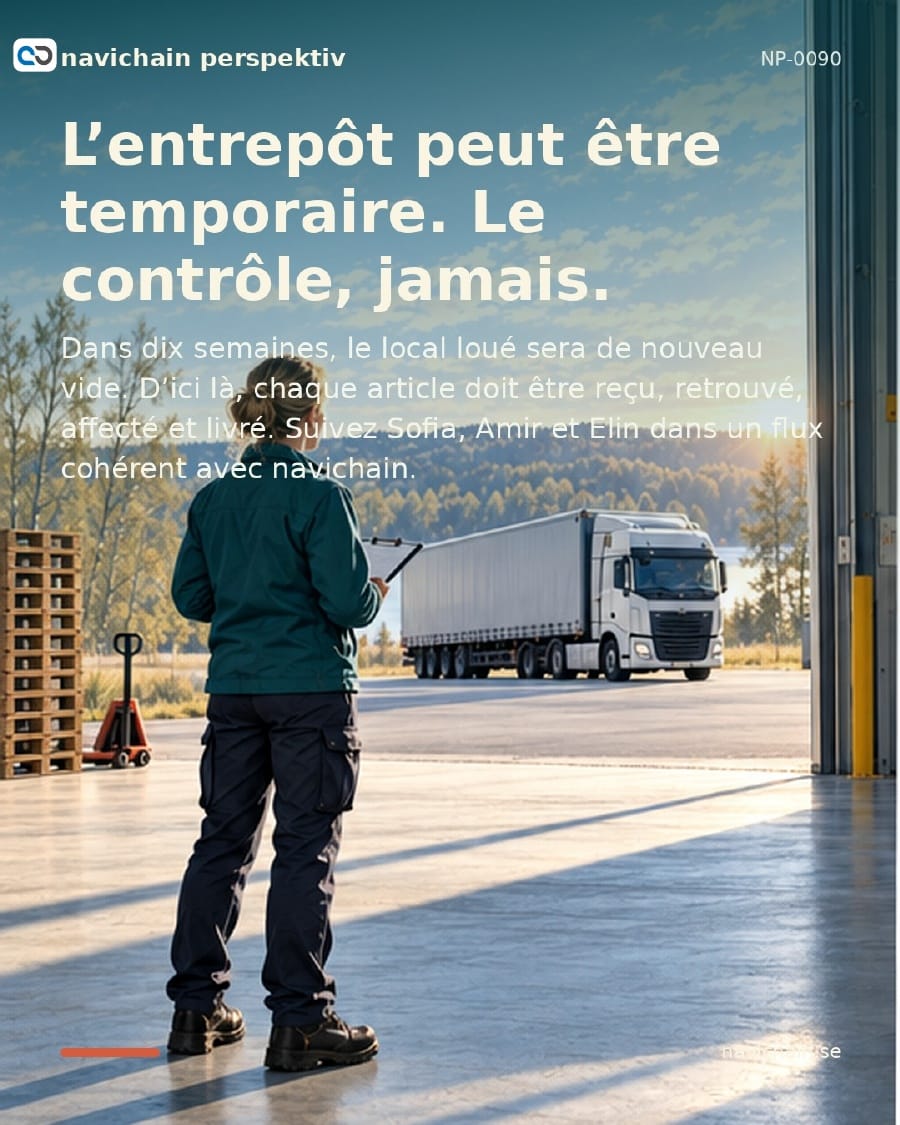
L’entrepôt peut être temporaire. Le contrôle, jamais.
Dans dix semaines, le local loué sera de nouveau vide. D’ici là, chaque article doit être reçu, retrouvé, affecté et livré.

L'Europe manque de conducteurs. Pouvez-vous encore vous permettre l'attente ?
Un camion immobilisé affecte le reste de la journée. Découvrez comment navichain aide à documenter l'attente, traiter sa cause et améliorer la prochaine tournée.
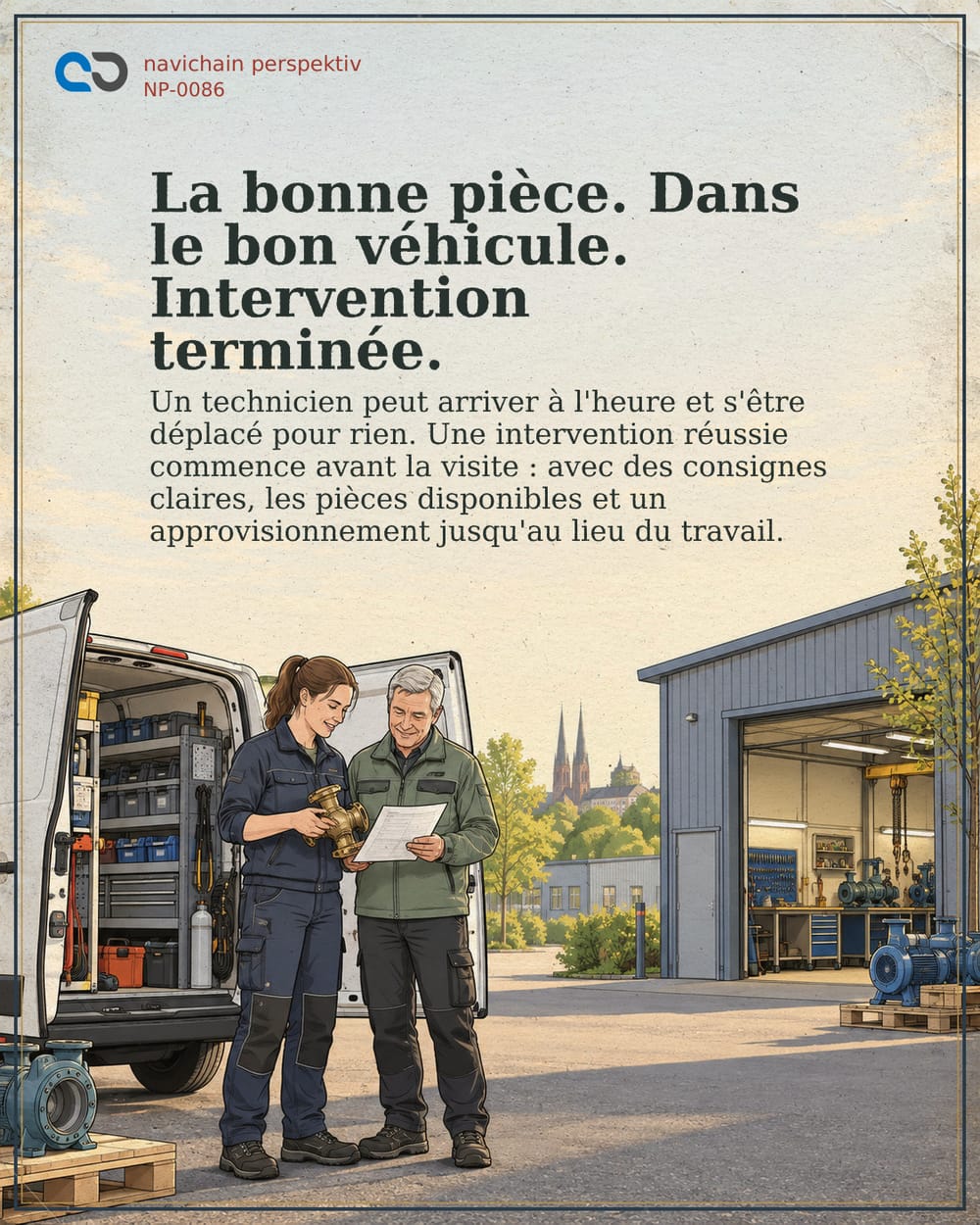
La bonne pièce. Dans le bon véhicule. Intervention terminée.
Un technicien peut arriver à l'heure et s'être déplacé pour rien. Une intervention réussie commence avant la visite.

La palette est scannée. Est-elle prête pour le prochain camion ?
Un bip identifie la marchandise. navichain relie réception, emplacement et transport suivant dans un même flux.

La route coûte avant le départ du camion
Avec navichain, examinez itinéraire, péages et carburant avant le devis. Un prix réfléchi commence par les conditions du transport.

Le camion ne devrait pas vivre dans un autre système
Lorsqu'un véhicule doit passer à l'atelier, la liste de maintenance n'est pas la seule à changer.

Le clic est le début. La livraison, la promesse.
Comment navichain relie commandes web, achats, entrepôt et distribution

Le client a besoin de la preuve de livraison. Pas de toute la journée du conducteur.
Intégrer la protection des données au transport grâce à des rôles clairs et des accès maîtrisés.

Le système du client pilote son transport – qui pilote l'ensemble de votre activité ?
Conservez les canaux de commande de vos clients tout en réunissant dans navichain la planification, l'exécution, les incidents et les preuves de livraison.
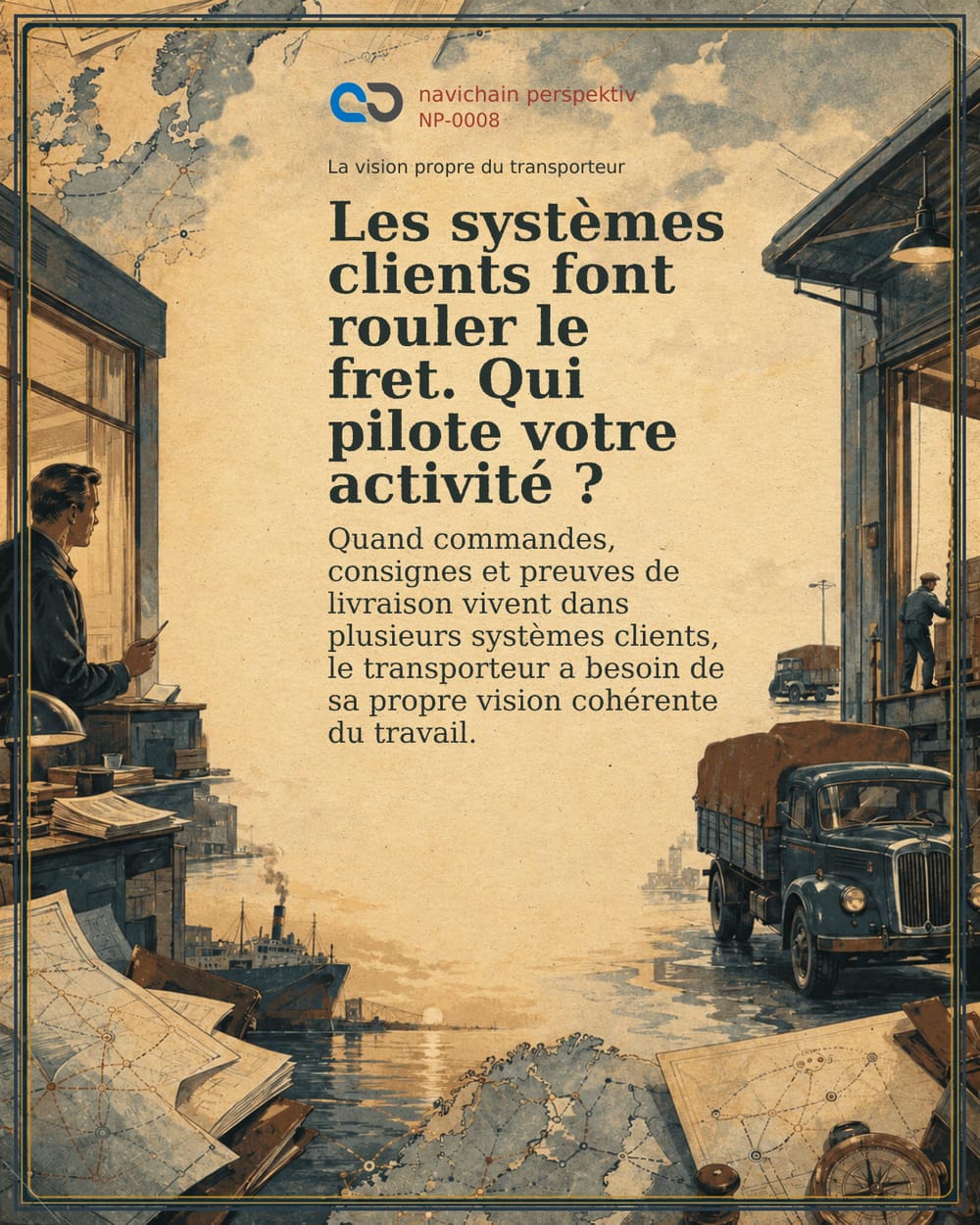
Les systèmes clients font rouler le fret. Qui pilote votre activité ?
Comment un transporteur construit sa propre vision opérationnelle à travers plusieurs systèmes clients sans remplacer ce qui fonctionne déjà.

Loué en toute maîtrise. Prêt pour la prochaine mission.
Relier disponibilité, tarifs de location, affectation, transport, achats et maintenance.
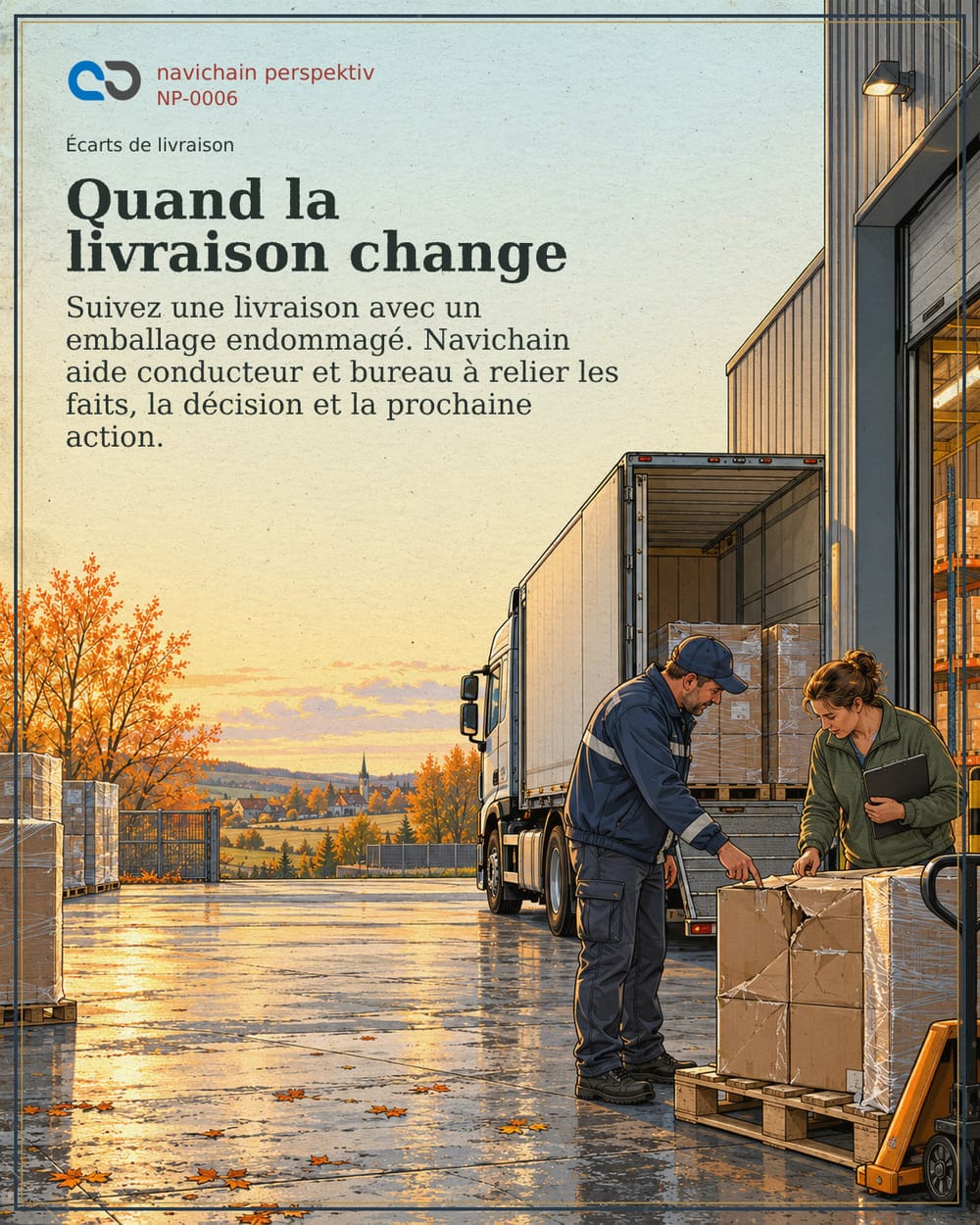
Quand la livraison ne se déroule pas comme prévu
Suivez une livraison avec un emballage endommagé. Navichain aide conducteur et bureau à relier les faits, la décision et la prochaine action.

Sérénité en cabine. Maîtrise à l’exploitation.
Voir les temps de repos et les conditions de cabotage avant de s’engager permet d’agir tôt et de transmettre un plan réalisable.

Une livraison n’est vraiment terminée que lorsque la preuve est solide
Comment navichain relie commande, transferts, écarts et preuve de livraison dans un dossier transport compréhensible.

Vos informations de transport sont-elles prêtes à quitter la pile de papier ?
Une information de transport devient utile lorsque la personne suivante peut la comprendre sans rappeler son auteur.

Notifications your customers want (and the ones they mute)
Four events earn a message: booked, collected, delivered, problem. Everything else trains the customer to ignore you — including the one that mattered.

Cross-docking or storage? Two warehouse jobs that pretend to be one
Flow-through is measured in hours and touches, custody in days and accuracy. Deciding which job a consignment is — at intake, not at discovery.
The personal data a carrier forgets it holds
Driver cards, GPS traces, dashcam footage, consignee names, a signature on a doorstep. What the GDPR actually asks of a transport operator, with article numbers.
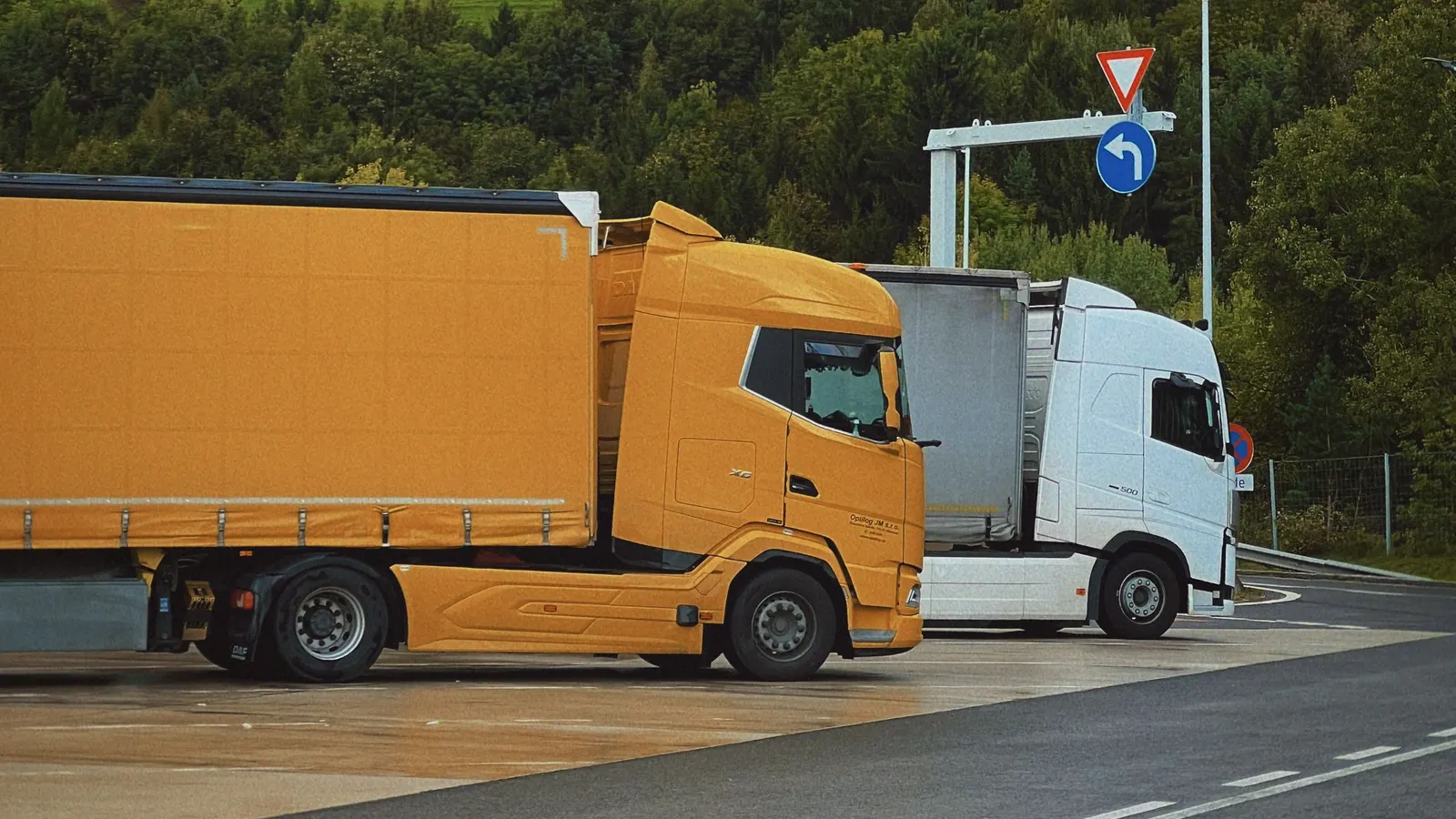
The truck you buy for December stands still in February
A six-week peak does not justify a vehicle you own for ten years. What handing a run to another carrier actually asks of your office, and where it goes wrong.

The dates that ground a truck are not the ones in your service plan
Roadworthiness, tachograph calibration, ADR and driver CPC each run on their own clock, and any of them can park a truck. One register, forward notice, an owner.

Five numbers a small fleet should look at every Monday
Utilisation, empty share, revenue per vehicle-day, DSO and unplanned downtime — why these five, and why adding more dashboards is usually less management.

The damage file you build before anything is damaged
A damage claim is decided by what was recorded at handover. The reservations, photos and weights worth capturing every time, and the clocks that start at delivery.

Drivers' hours are a planning constraint, not a driver problem
Nine hours a day, 56 a week, a 45-minute break after four and a half. The EU limits are arithmetic a dispatcher can do before the truck moves.
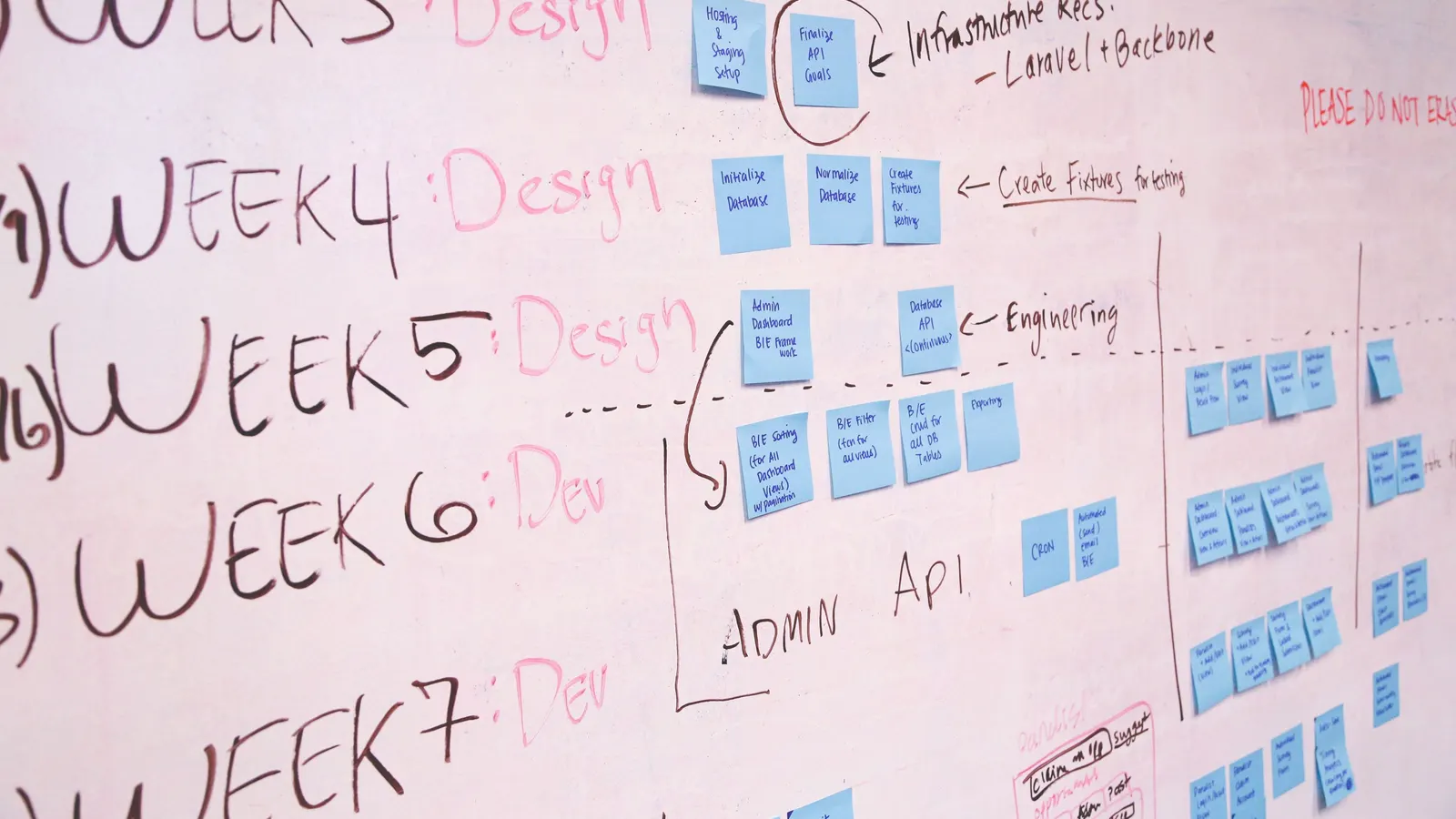
Why TMS implementations fail (and the failure is rarely the software)
Four patterns sink transport software projects: dirty master data, no named owner, a big-bang cutover, and old habits wearing new screens.

API or EDI? Choosing the right pipe for each partner
EDI is an agreement with batch semantics; an API is interactive and cheap to stand up. Which fits which partner, and why most carriers run both.

The first four weeks with a new customer decide whether the account is profitable
Winning the contract is the easy part. The four weeks after it — addresses, price list, booking channel, invoice format — decide what the account actually earns.
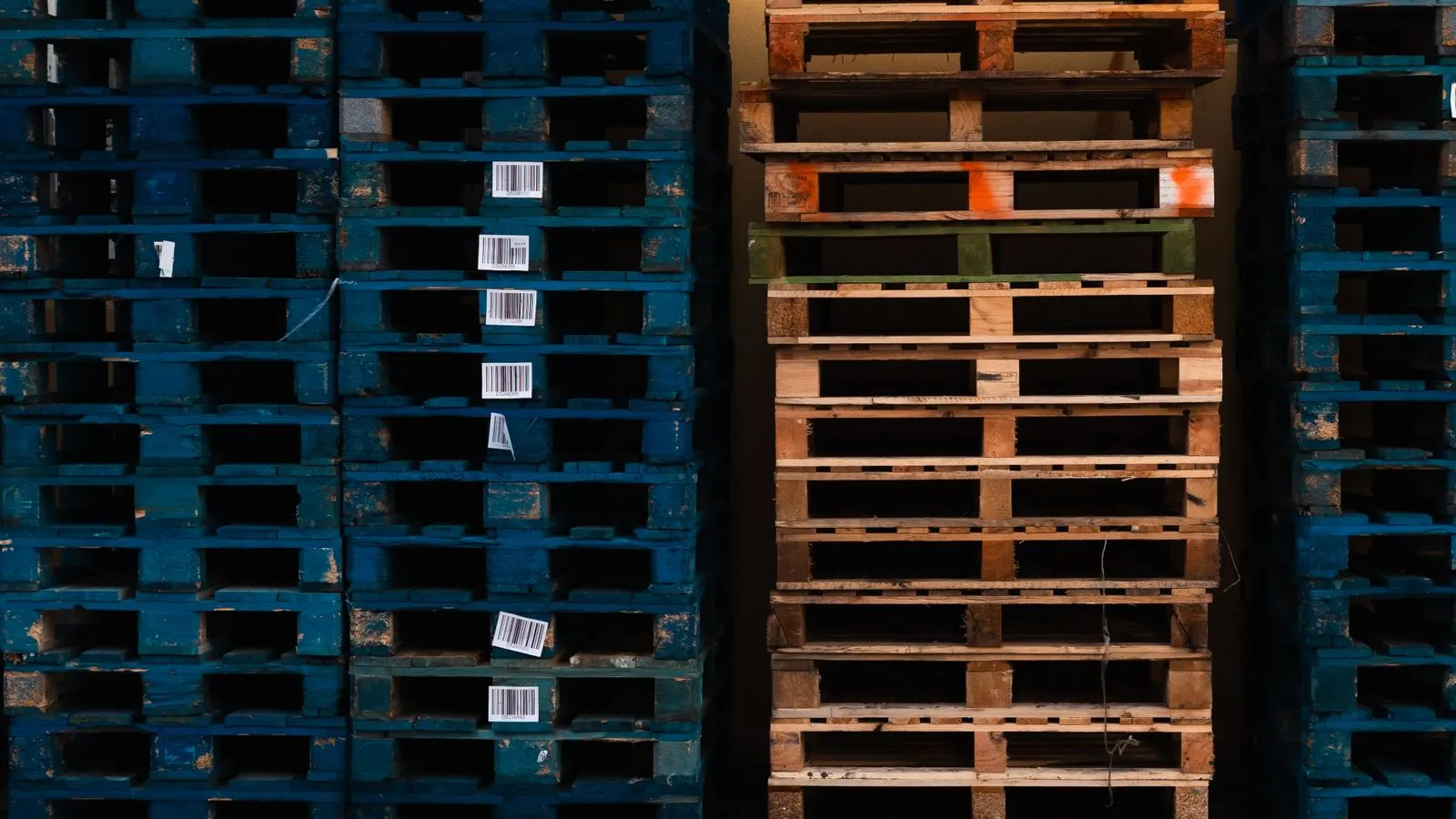
Barcodes in a small warehouse: cheap discipline that compounds
A label printer and a scanner turn a warehouse memory into a lookup anyone can do. What to label, what a barcode should encode, and when to scan it.
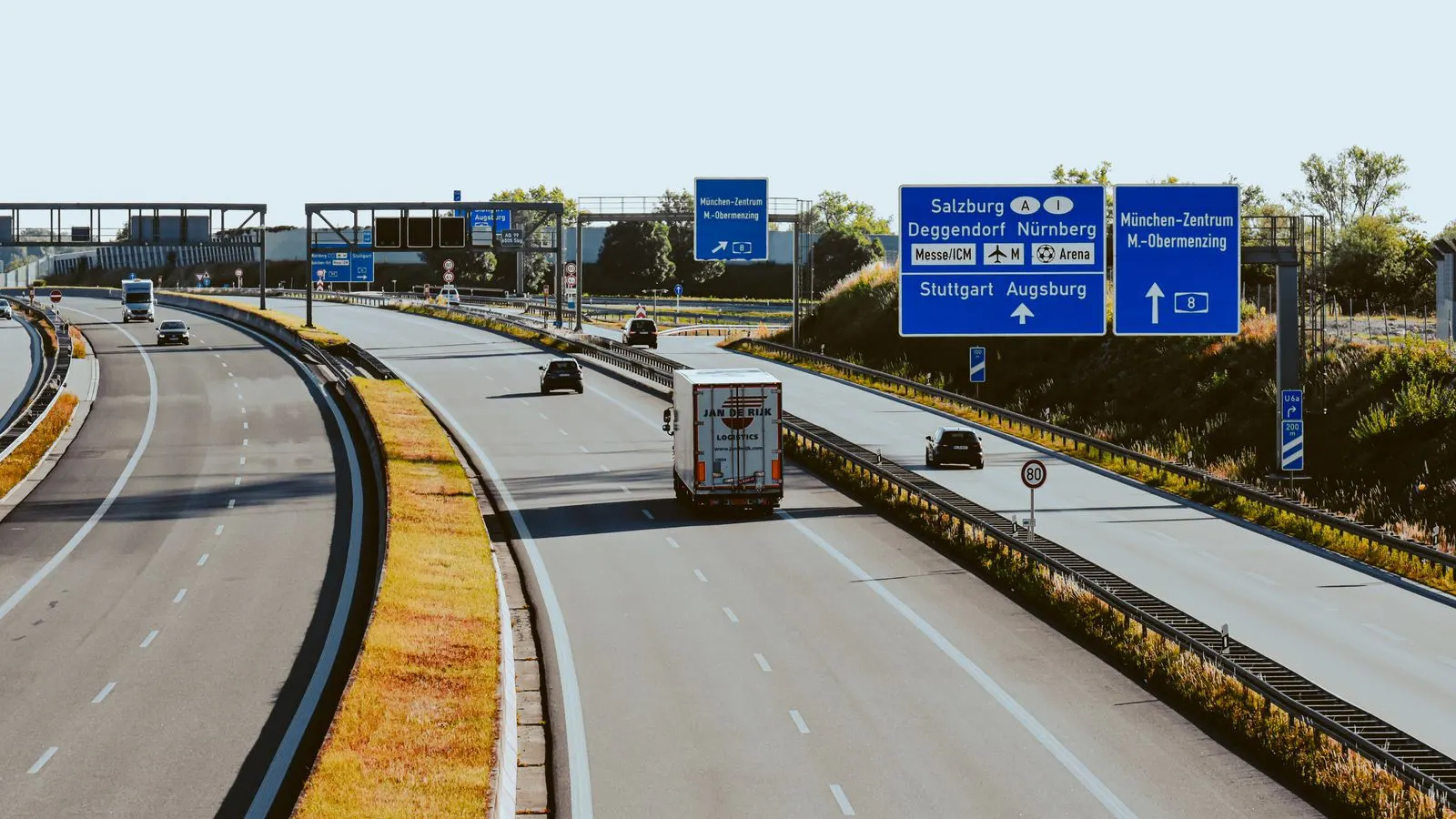
Cabotage in plain language: what the rules actually permit
Three operations in seven days, then four days out. What the EU cabotage rules permit as of August 2026, and what must be produced at a roadside check.

Your trailer fleet is an asset register nobody keeps
Trailers hold real capital and are usually tracked from memory. The four facts worth recording about each one, and how they end the Friday trailer hunt.

Fuel surcharges customers accept
A fuel surcharge survives negotiation when it is indexed to a published diesel price, arithmetically reproducible, and symmetric — it falls when diesel falls.

Multi-stop tours: what your consignment paperwork must not flatten
A tour with three deliveries is three consignments sharing a vehicle. What the CMR Convention keeps separate, and where flattening it into one booking bites.

Stop retyping invoices into your accounting system
The booking already holds the customer, the charges and the VAT. What a TMS-to-accounting integration actually transfers, and where the mapping needs care.
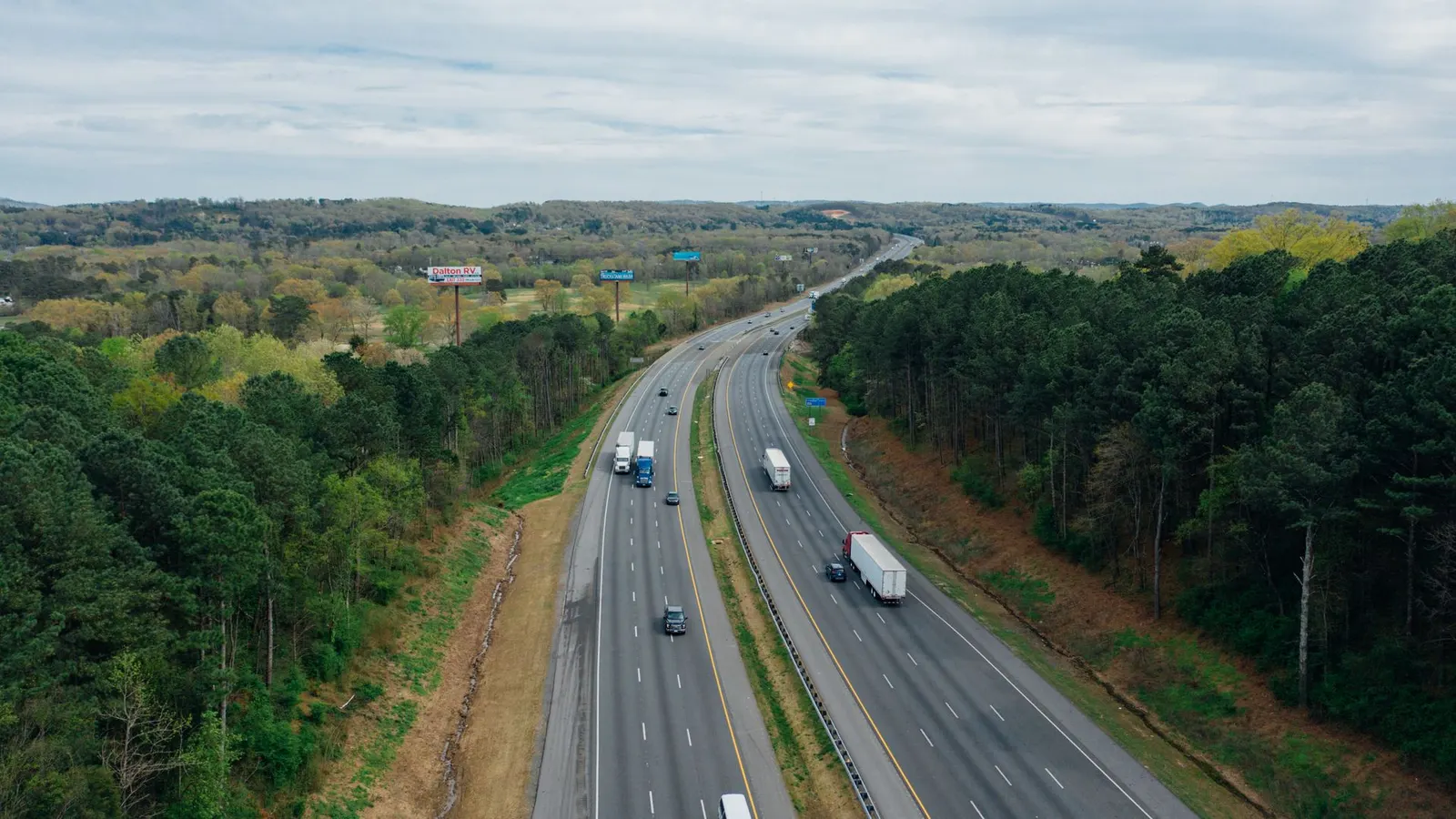
The empty kilometre: why backhauls are a planning problem, not a sales problem
Empty legs get treated as a gap in sales. Most of the fix is visibility — seeing the trailing empty leg at booking time, and knowing what may ride together.

Storing customer goods: the day your terminal became a warehouse
The informal hold these pallets until Thursday arrangement, and what it takes to run it properly: a goods receipt note, a defined clock, and a clean release.

Your customers do not want a tracking link, they want to stop calling you
The where-is-my-shipment call is a symptom, not a nuisance. What a customer portal has to show — bookings, tracking, POD and invoices — to actually stop it.

Daily vehicle checks drivers actually do
A walkaround check that takes eight minutes on paper gets ticked from the cab by week three. How to design one that drivers finish honestly.

Getting drivers to actually use the app
Driver app adoption is a design constraint, not a training problem: BYOD, one-tap status, no leftover paper, and honest behaviour when coverage fails.

eCMR and eFTI: what actually changes for road carriers on 9 July 2027
The EU eFTI Regulation obliges authorities to accept electronic freight information from July 2027. What that does and does not require of carriers.

Which countries accept eCMR today
The e-CMR Protocol is ratified one country at a time, so a lane is only paper-free when both ends and the transit states have joined. The verified list.
EDI for small carriers: what it is, when it pays, and when it does not
What EDIFACT really involves for a ten-truck operation — the three messages that actually flow, the setup nobody mentions, and where the break-even sits.
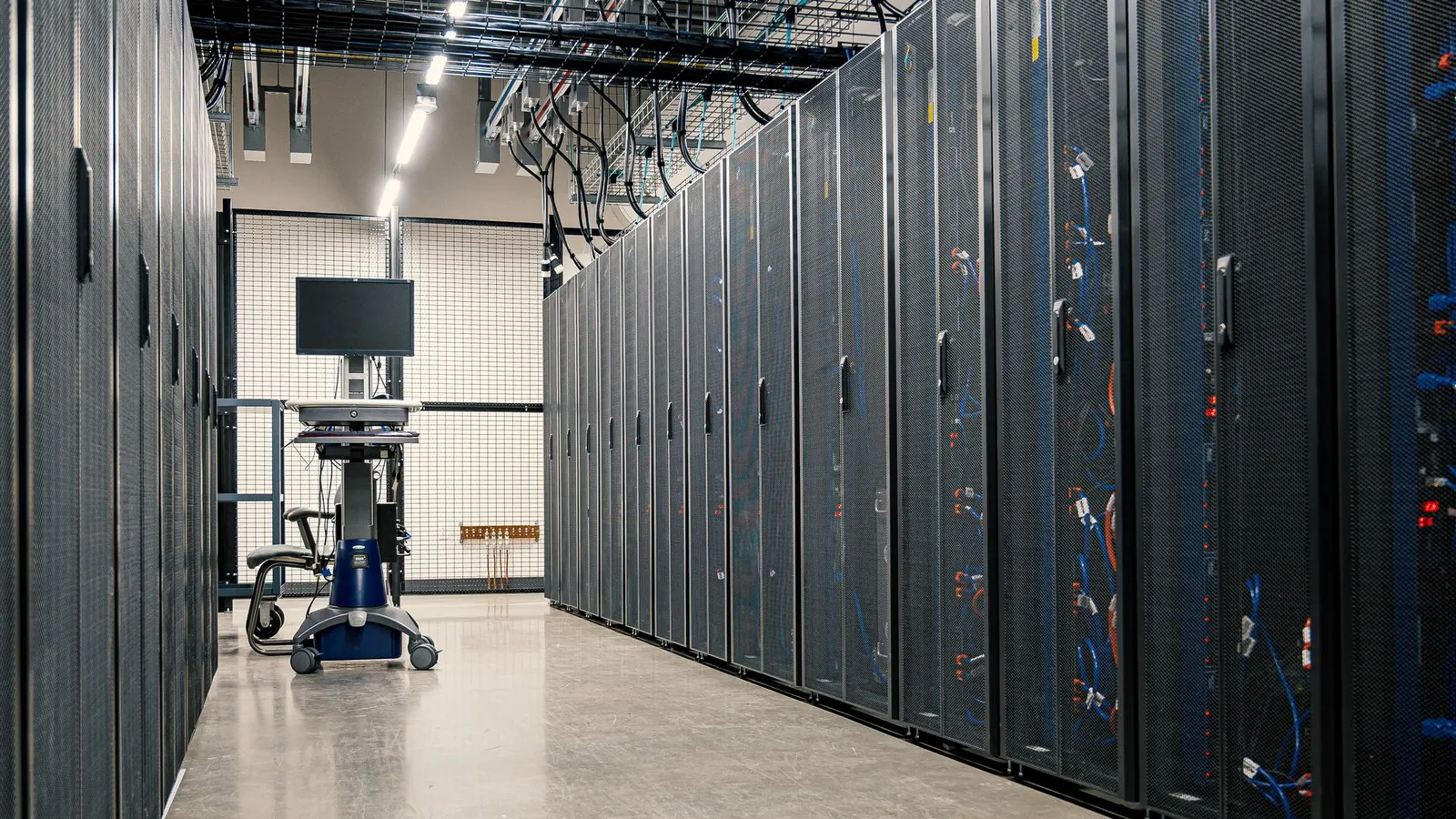
What "EU-hosted" actually means when a customer asks
A plain-language guide for carriers answering a procurement questionnaire: hosting jurisdiction, per-tenant isolation, export rights and what GDPR actually says.

GPS tracking without the second subscription
Three ways a small fleet gets vehicle positions — telematics hardware, a driver phone, or tracking inside the TMS — and what each really costs and answers.

Groupage for small carriers: when consolidation pays and when it costs
Consolidating part-loads lifts revenue per kilometre and multiplies handling, paperwork and claims risk. A break-even way to find where your own line sits.

The honest ETA: why "before lunch" beats "10:23"
A minute-precise ETA is a promise you cannot keep. What an arrival time can honestly say at booking, at dispatch and en route — and how to widen a window well.

How to choose a TMS in 2026: a working checklist for small and mid-size carriers
The questions that actually separate transport management systems — total cost beyond the licence, data exit, integrations and honest pricing models.

Invoice the day you deliver: the shortest lever on cash flow
Payment terms get negotiated hard. The gap between delivery and invoice gets given away for free. Where those days hide, and what closing them requires.

Vehicle downtime is a data problem before it is a workshop problem
Calendar cycles and odometer cycles live in different places, which is why small fleets service on instinct. And what to do with a cycle you cannot judge.

What proof of delivery actually costs you when it arrives on paper
Paper PODs ride in the cab until Friday and the invoice waits for all of it. The arithmetic of the delivered-to-invoiced gap, and how to close it.

Route planning that survives contact with Tuesday
The first plan is the easy one. What decides a planning tool is the cost of the second — moving a booking, knowing which vehicles are free, telling the customer.

The day the dispatch spreadsheet stops scaling
Excel dispatch works until concurrent edits, no driver link, no history and no customer view cost more than the tool saves. The symptoms that mark the crossover.

Stocktakes without stopping the warehouse
The annual wall-to-wall count freezes the warehouse and is stale by February. How counting a slice at a time against a movement ledger works instead.

Transport and warehouse in one system: what actually breaks when they are separate
Carriers who also store goods usually run a TMS beside a WMS. The gap between them is where custody, billing and customer trust quietly leak.

Truck-aware routing: why car navigation sends lorries under low bridges
A consumer GPS does not know your height, axle weight or ADR load. What truck routing must know about the vehicle, and why bridge strikes are a data problem.

Winter operations in the Nordics: planning for the season, not the forecast
The winter plan is a capacity decision made in October, not a scramble in December: buffer times, tyre readiness and daylight as planning inputs.